Heel Spurs
At Orthotics Plus, we regularly treat patients experiencing heel pain, often linked to heel spurs and plantar fasciitis. This is a common condition we treat at all of our Melbourne locations.
While the term heel spur is common, it’s important to understand what it means, how it develops, and how our orthotic services can help.
What is a Heel Spur?
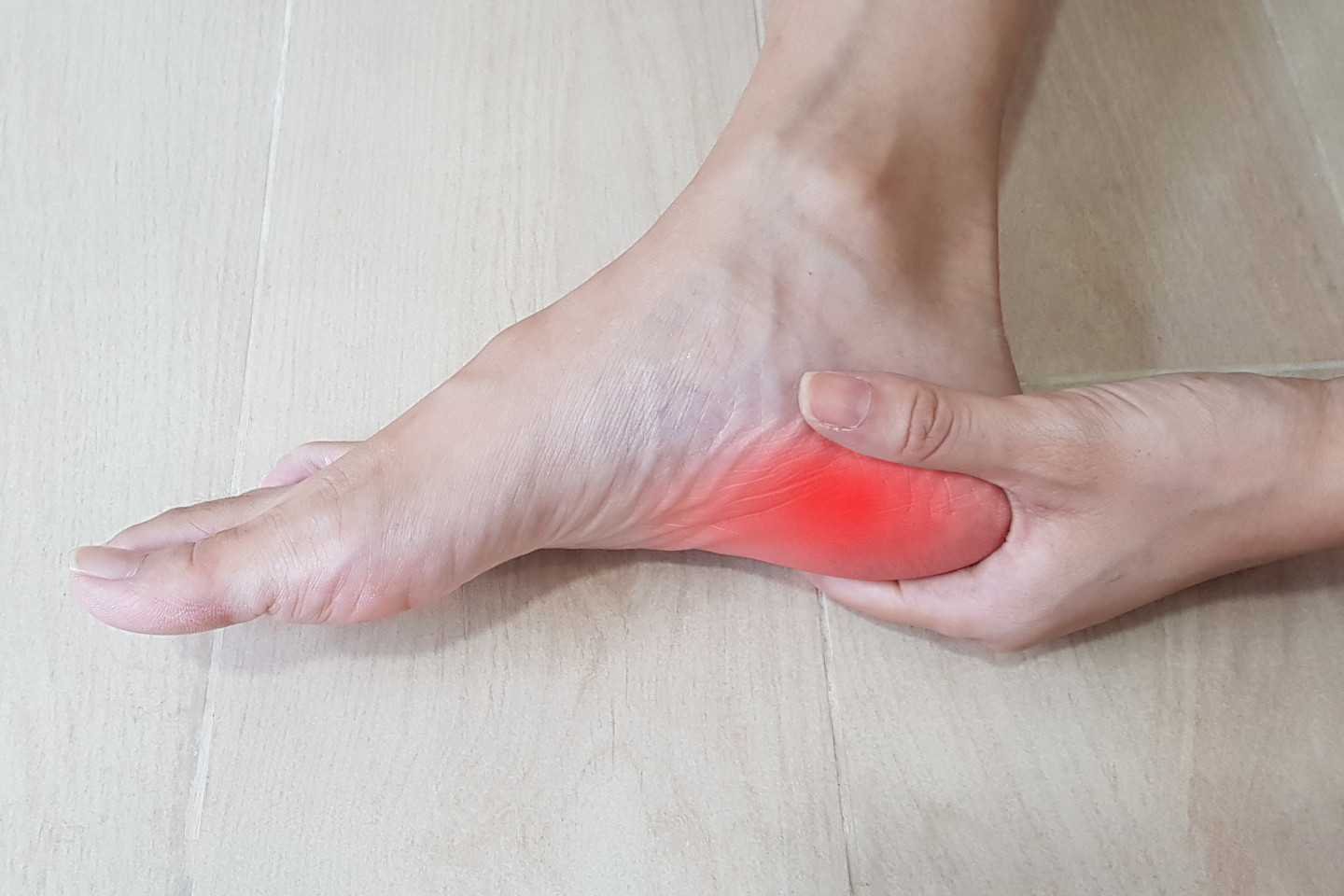
A heel spur is a small bony growth on the heel bone (calcaneum), typically at the point where the plantar fascia attaches to the heel.
Spurs are usually a few millimetres in size and sit beneath layers of soft tissue and the heel’s natural fat pad, making them impossible to feel through touch.
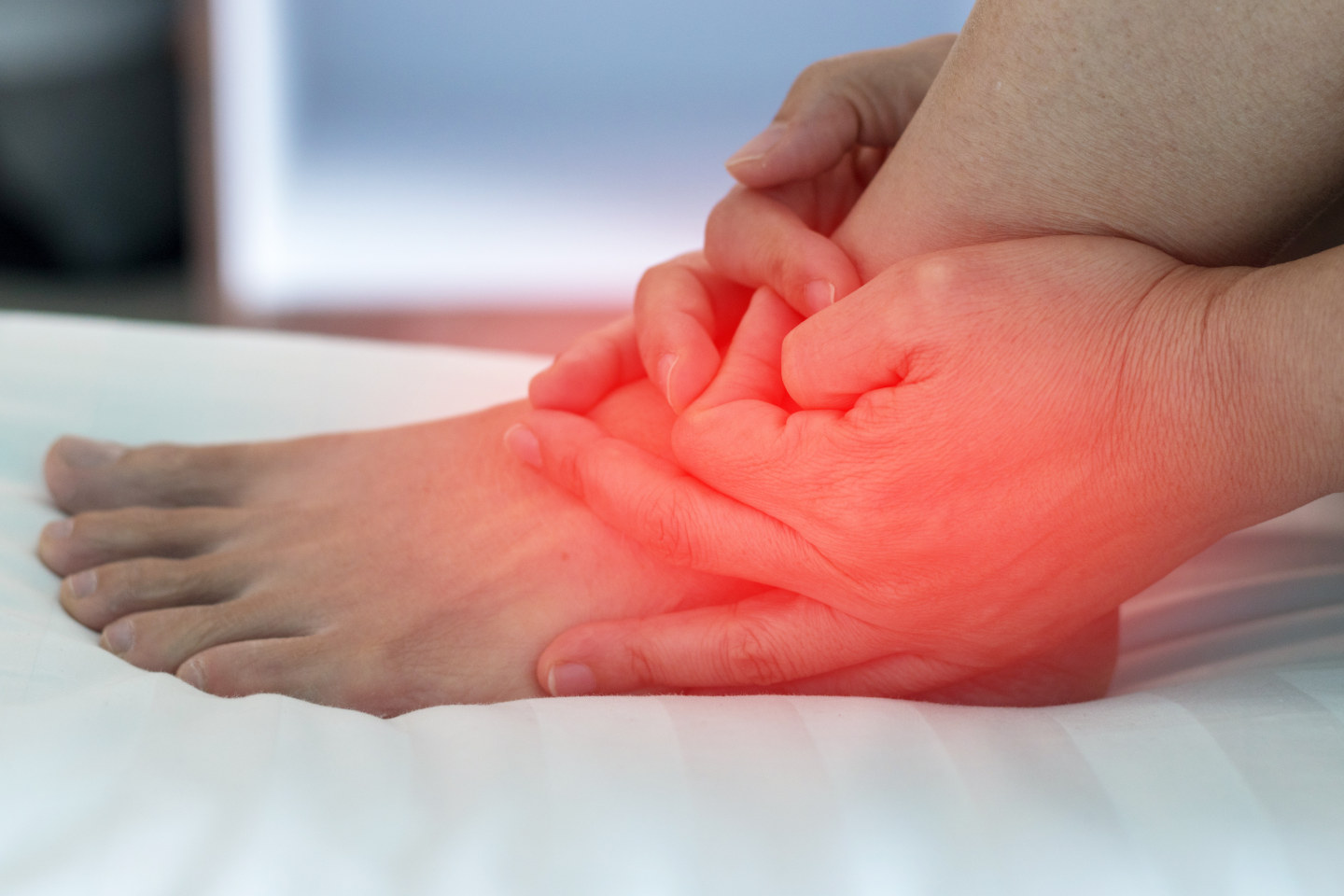
Not everyone with a heel spur experiences pain. In fact, many people with heel spurs have no symptoms at all. Heel pain is more commonly caused by plantar fasciitis, with heel spurs being a potential symptom rather than the root cause.
Causes of Heel Spurs
The exact cause isn’t always clear, but heel spurs and plantar fasciitis often develop due to:
- Tight plantar fascia or calf muscles placing stress on the heel bone
- Foot biomechanics (e.g., flat or pronated feet)
- Inappropriate or unsupportive footwear
- High or low levels of activity (overuse, or prolonged inactivity)
Unlike some conditions, heel spurs are not genetic. Lifestyle and activity are the key contributing factors.

Symptoms
- Sharp or aching pain under the heel, often worse in the morning
- Pain after long periods of standing or walking barefoot
- Discomfort that eases with movement but worsens after prolonged activity
It’s important to note: you can have plantar fasciitis with or without a heel spur, and the treatment approach remains the same.

Diagnosis
Heel spurs can be confirmed through a standard X-ray, where they appear clearly.
However, diagnosis is less about the spur itself and more about confirming plantar fasciitis as the cause of pain.
Orthotic Treatments at Orthotics Plus
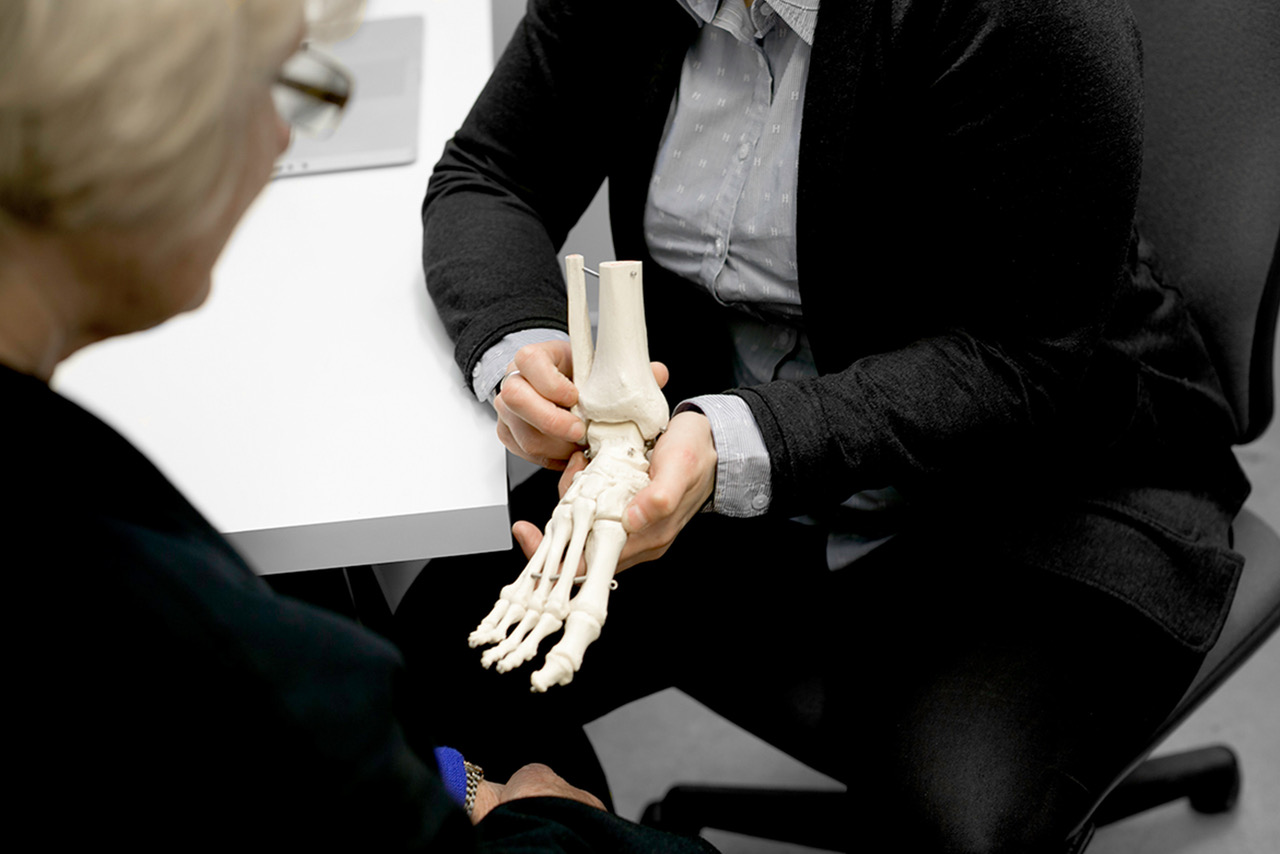
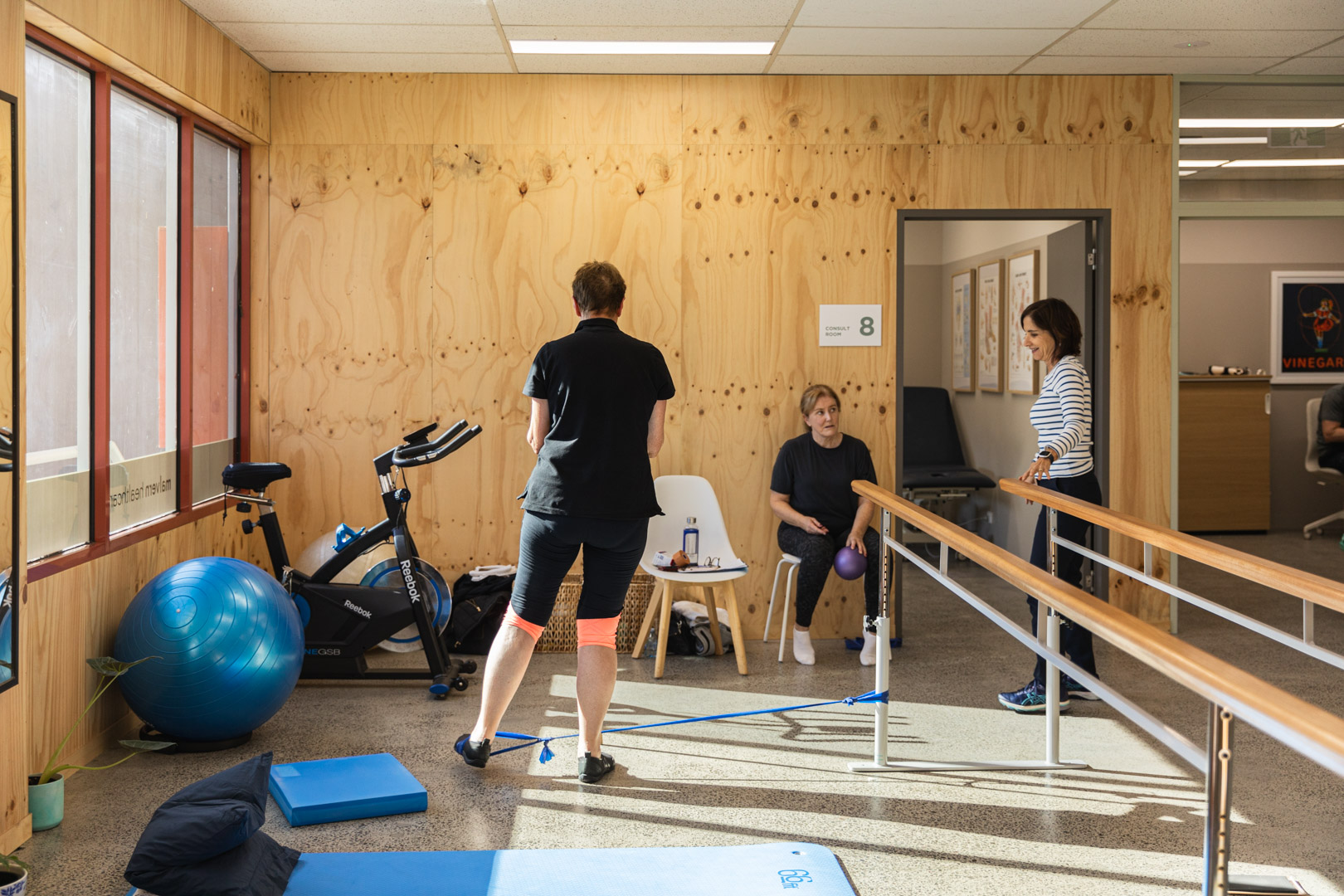
We provide conservative, non-surgical management for heel pain caused by plantar fasciitis and heel spurs. Treatments are personalised and may include:
1. Stretching Programs
- Calf stretches and plantar fascia stretches to relieve tension.
- Targeted routines to improve flexibility and reduce strain on the heel.
2. Footwear Guidance
- Recommending supportive shoes that reduce heel stress.
- Advising against prolonged barefoot walking.
3. Silicon Heel Cushions
- Soft heel pads to reduce impact and pressure.
- Often effective for patients with neutral foot posture.
4. Custom Foot Orthotics
- Orthotics with arch support and heel cushioning for patients with flat feet, pronation, or other biomechanical issues.
- Designed to improve foot alignment and reduce plantar fascia strain.
5. Lifestyle Adjustments
- Moderate, consistent activity rather than long bouts of inactivity or sudden intense exercise.
Balancing rest with movement to prevent flare-ups.

When is Surgery Considered?
Surgery is rarely required.
In persistent cases where conservative care fails, surgeons may perform a plantar fascia release (a small surgical cut to release tension). This is directed at the fascia, not the heel spur itself.
Heel spurs themselves typically remain lifelong but are not removed, as they are not the source of pain.
Orthotics Plus can refer you to a surgeon in Melbourne, and you should also speak with your doctor about surgical options if you wish.
Who Do We Treat?
We commonly see patients aged 30–60 years old, who are active but may not consistently stretch or strengthen their feet and legs.
Whether you’re a weekend sports player, a runner, or someone on your feet all day for work, heel pain can significantly affect your lifestyle.
Want to Book in at Orthotics Plus?
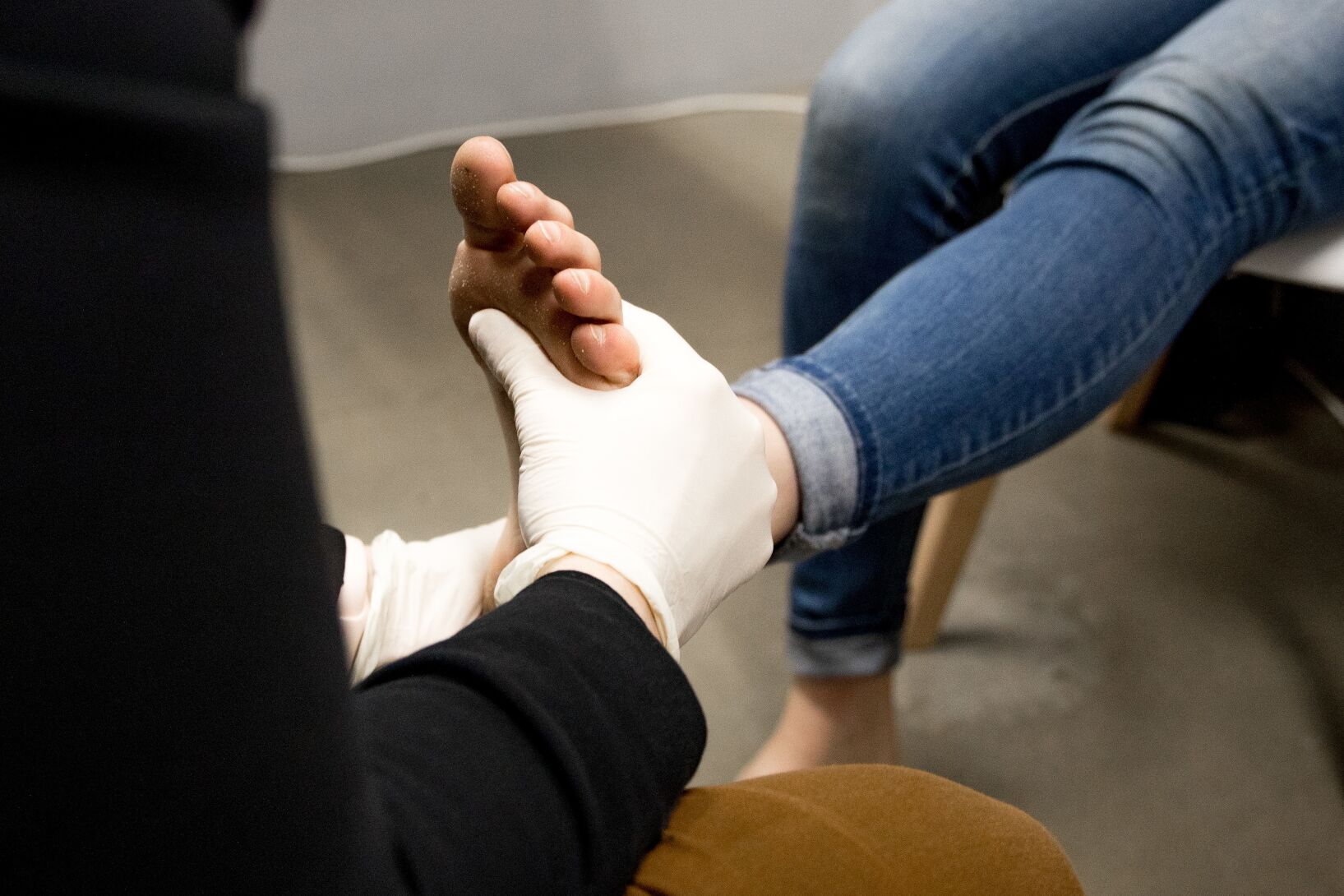
- Experienced clinicians who specialise in foot biomechanics and heel pain.
- Custom orthotic solutions tailored to your unique foot posture.
- Focus on non-invasive, long-term relief strategies.
- Supportive, patient-focused care with clear education on managing heel spurs and plantar fasciitis.
If you would like to make an appointment, please browse our clinic locations and get in touch.
To get started, please use our clinic locations or referrals pages.
View Clinic Locations Referrals