Shoulder Immobilisation Sling Fitting
An arm sling is commonly used in the acute phase after an upper limb injury.
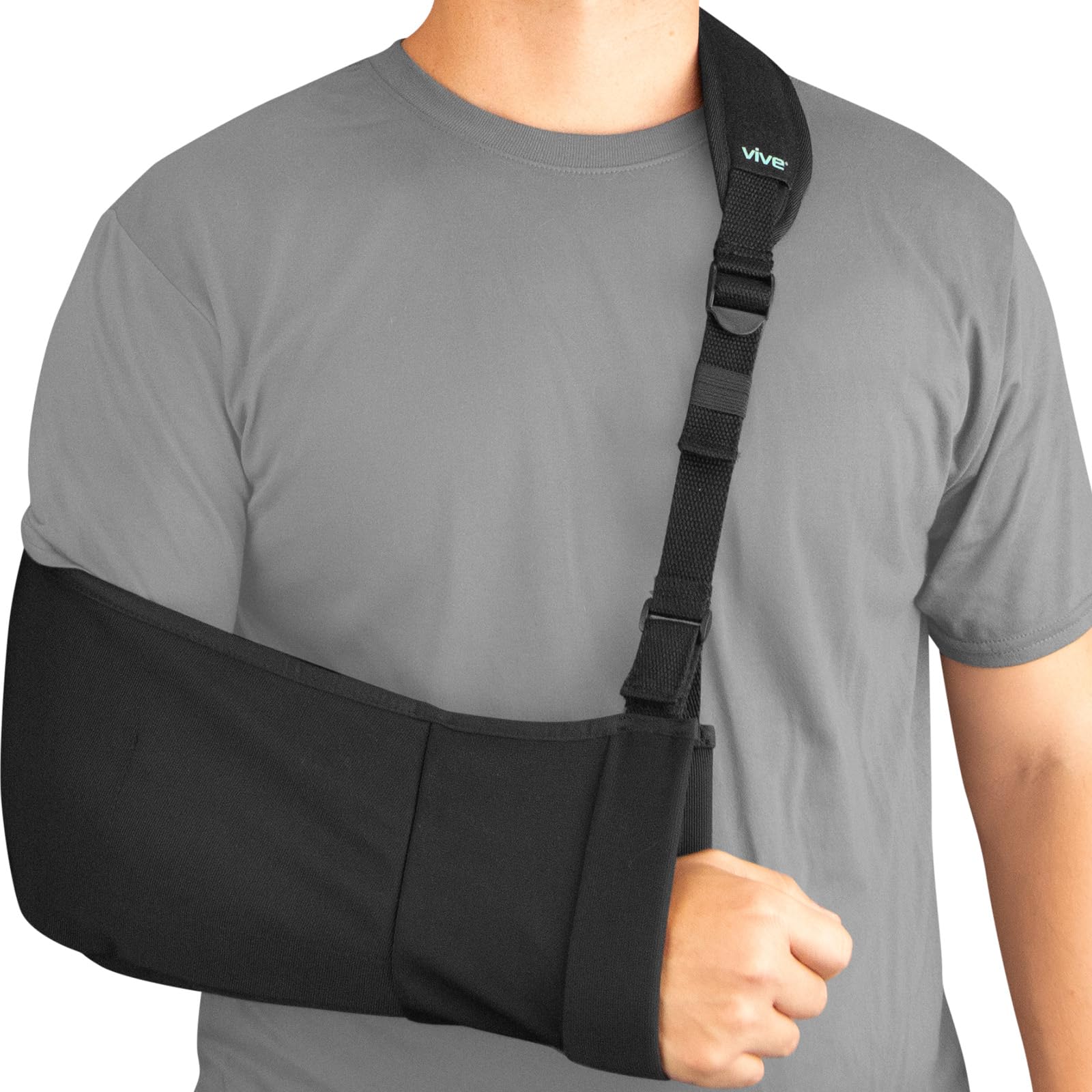
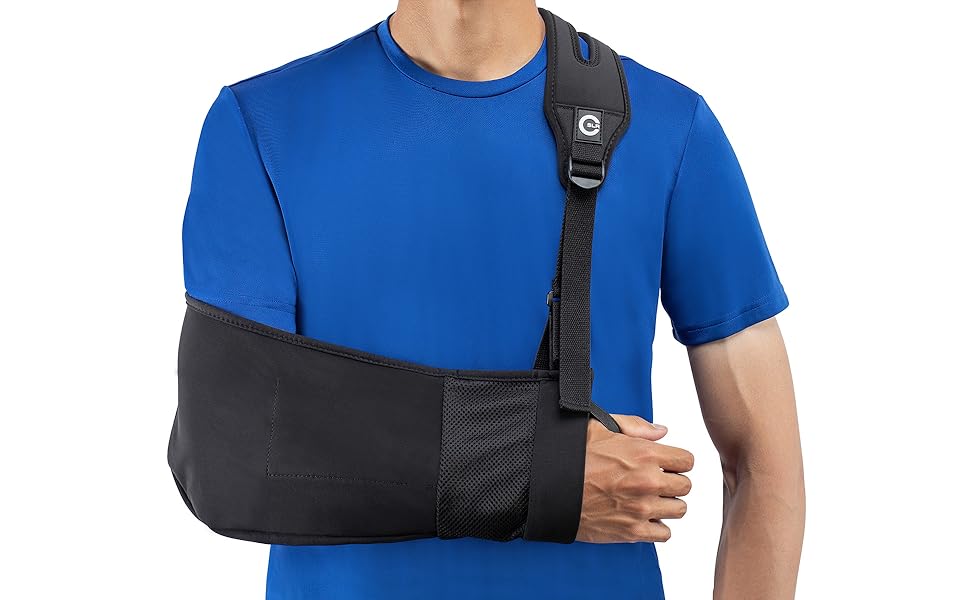
An arm sling has a material section with multiple adjustable velcro straps.
The straps can be adjusted to ensure the elbow and wrist are in the correct position.

Arm Sling and Shoulder Immobiliser Support
An arm sling,shoulder sling or shoulder immobiliser is a medical support device used to protect the arm and shoulder during recovery from injury or surgery. These devices keep the arm stable, limit motion that can aggravate soft tissues, and help maintain a position that supports healing. Shoulder slings are commonly recommended for shoulder dislocations, rotator cuff tears, fractures of the upper arm or collarbone, and after surgical repair.
How These Devices Work
A thumb‑style sling supports the arm by cradling it against the chest or torso. A shoulder strap support may include additional straps that distribute weight across the shoulder and back to reduce discomfort. A shoulder immobiliser restricts shoulder motion more fully when needed for post‑operative care or significant soft tissue injury.
Benefits of Using an Arm Sling or Shoulder Immobiliser
Using an arm sling or shoulder immobiliser offers important advantages:
- Pain Relief — Stabilising the shoulder and arm reduces stress on injured tissues and can lessen pain during rest and movement.
- Support for Healing — Immobilisation allows tissues to repair without being repeatedly stressed by shoulder motion.
- Prevention of Further Injury — Keeping the arm secure reduces the risk of movements that could worsen the injury.
- Improved Mobility During Recovery — Using a sling allows safe participation in daily tasks while tissues heal, guided by your clinician.
High‑quality materials and adjustable straps improve fit and comfort, which can enhance compliance with wear schedules recommended by your healthcare provider.

How You Get an Arm Sling or Shoulder Support
We follow a proven step-by-step process to ensure accuracy, comfort, and function:
Consultation and Assessment
Your appointment begins with a clinical assessment to review your injury, symptoms, and functional needs. A clinician may include a physical examination and review of imaging results when provided. A referral from a specialist or GP is essential to determine the device required.
Selection of Support
The clinician recommends an arm sling, shoulder strap support, or shoulder immobiliser based on your condition and goals. Options include prefabricated designs and adjustable devices that allow modification of strap tension and support angles.
Fitting and Adjustment
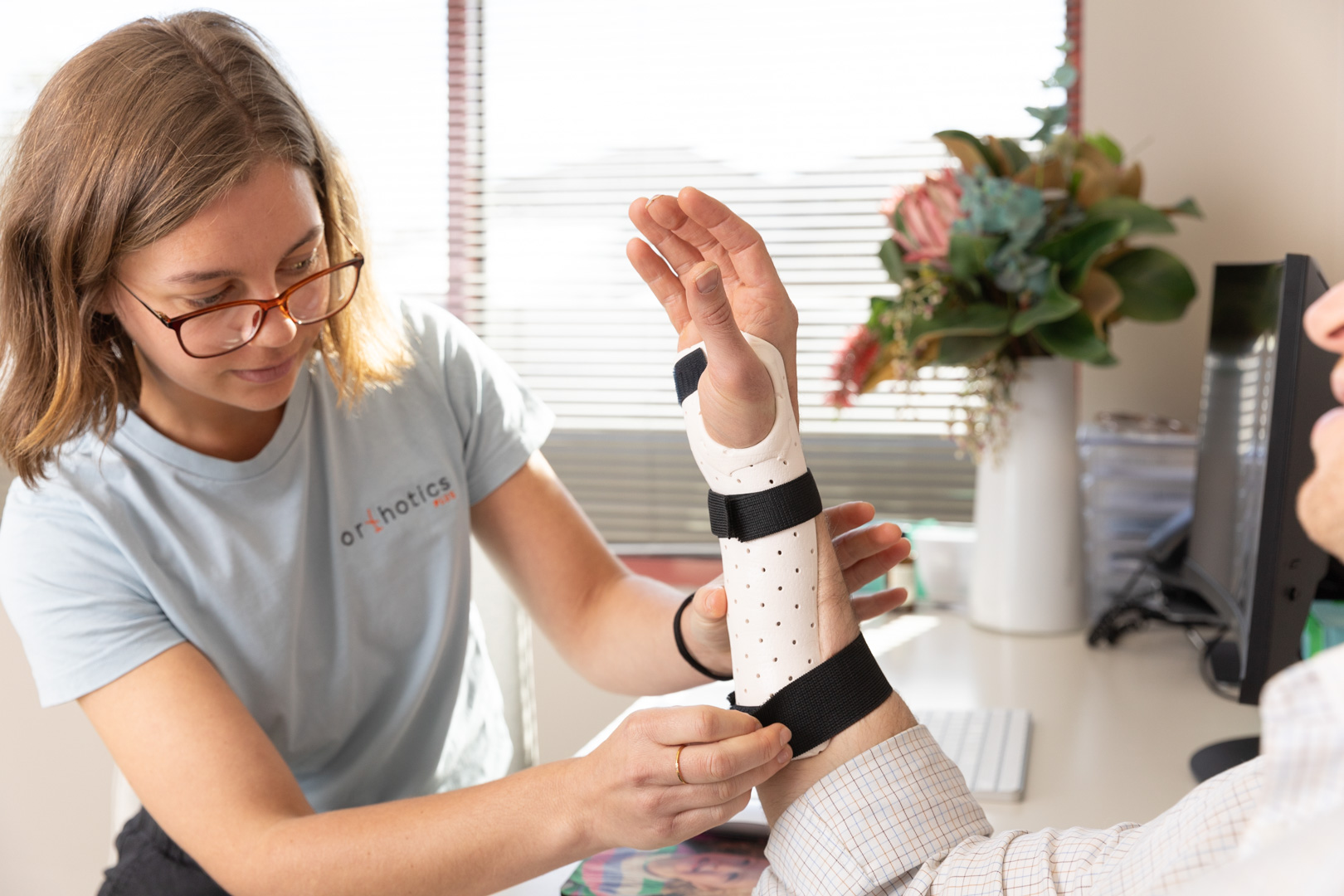
Your clinician fits the selected device, checks alignment, and adjusts straps for comfort and optimal support. Clear instructions are provided on how to wear and remove the sling, how to adjust it for daily needs, and how to maintain proper posture during wear.
Follow‑Up and Monitoring
Follow‑up appointments allow the clinician to monitor progress, refine fit, and adjust support levels as your recovery advances. These sessions ensure the device continues to match your needs.
What Is Included
- Clinical assessment by qualified clinicians with experience in upper limb support
- Fitting and adjustment of your arm sling or shoulder immobiliser
- Guidance on use, wear schedules, and safe movement
- Follow‑up consultations to track healing and make necessary modifications
Exclusions: Additional treatments such as physiotherapy sessions, specialised orthotic accessories, or therapy aids are separate services and may incur separate costs.
Pricing Information
The price range for arm slings, shoulder strap support devices, and shoulder immobilisers varies based on device design, adjustability, and materials. Basic arm sling shoulder sling devices are generally priced within a moderate range, while adjustable and advanced immobiliser designs may be at higher price points. Your clinician provides a personalised quote during your assessment.
Support and funding options may include:
- Private health insurance extras cover
- TAC funding for transport injury cases
- WorkCover for workplace injury claims
- NDIS support for eligible participants
Clinic staff assist with documentation and claim forms to support your funding process.

Clinic Locations in Australia
Arm sling and shoulder immobiliser fittings are available at Orthotics Plus clinics across Melbourne. Locations include:
Appointments can be made by phone or online booking. Telehealth consultations are available for initial screening or follow‑up reviews when in‑clinic visits are not possible.
Clinical Expertise and Professional Standards
Qualified clinicians assess and fit all arm sling shoulder sling and shoulder immobiliser devices. Our team includes Orthotists with university degrees in Orthotics and Prosthetics. Clinicians complete ongoing professional development in upper limb injury management, post operative care, and orthotic prescription.
Book an Assessment
If you or your patient are experiencing shoulder pain, instability, or weakness following injury or surgery, book a consultation with a clinician. A clinician will review your condition and recommend the appropriate arm sling, shoulder strap support, or shoulder immobiliser to aid your recovery.

Frequently Asked Questions
Support devices help with shoulder dislocations, rotator cuff tears, upper arm fractures, surgical repairs, and soft tissue strains where movement restriction aids healing.
Wear time varies based on injury severity and clinician direction. Your clinician will advise on daily wear schedules and activity guidelines.
Many patients remove slings for bathing and safe rest, but you should follow your clinician’s instructions on timing and positions during sleep.
Clean fabric components with mild soap and water. Check straps and fasteners for wear and ensure they remain secure. Bring the device to follow‑up appointments for inspection.
Contact your clinic. A follow‑up visit can check fit and make strap or support adjustments to improve comfort.
Your clinician may recommend gentle range of motion or shoulder blade exercises to maintain circulation and minimise stiffness, depending on your injury and healing phase.