Functional Electrical Stimulation (FES) applies low-level electrical impulses to weakened, damaged or paralysed nerves and muscles to help improve people’s capability and mobility.
At Orthotics Plus, the FES devices we use for our Melbourne patients, are clinically proven to improve walking speed, safety, walking symmetry, and confidence.
This stimulation helps the foot lift and progress forward more naturally. Many people who live with neurological conditions experience improved walking efficiency and better foot clearance when using FES.
Orthotics Plus clinicians assess each patient carefully to determine whether functional electrical stimulation will assist their walking pattern and rehabilitation goals, as well as which FES device is best suited to the patient.
Clinicians provide assessment, device setup, training, and ongoing follow up care through Orthotics Plus clinics.
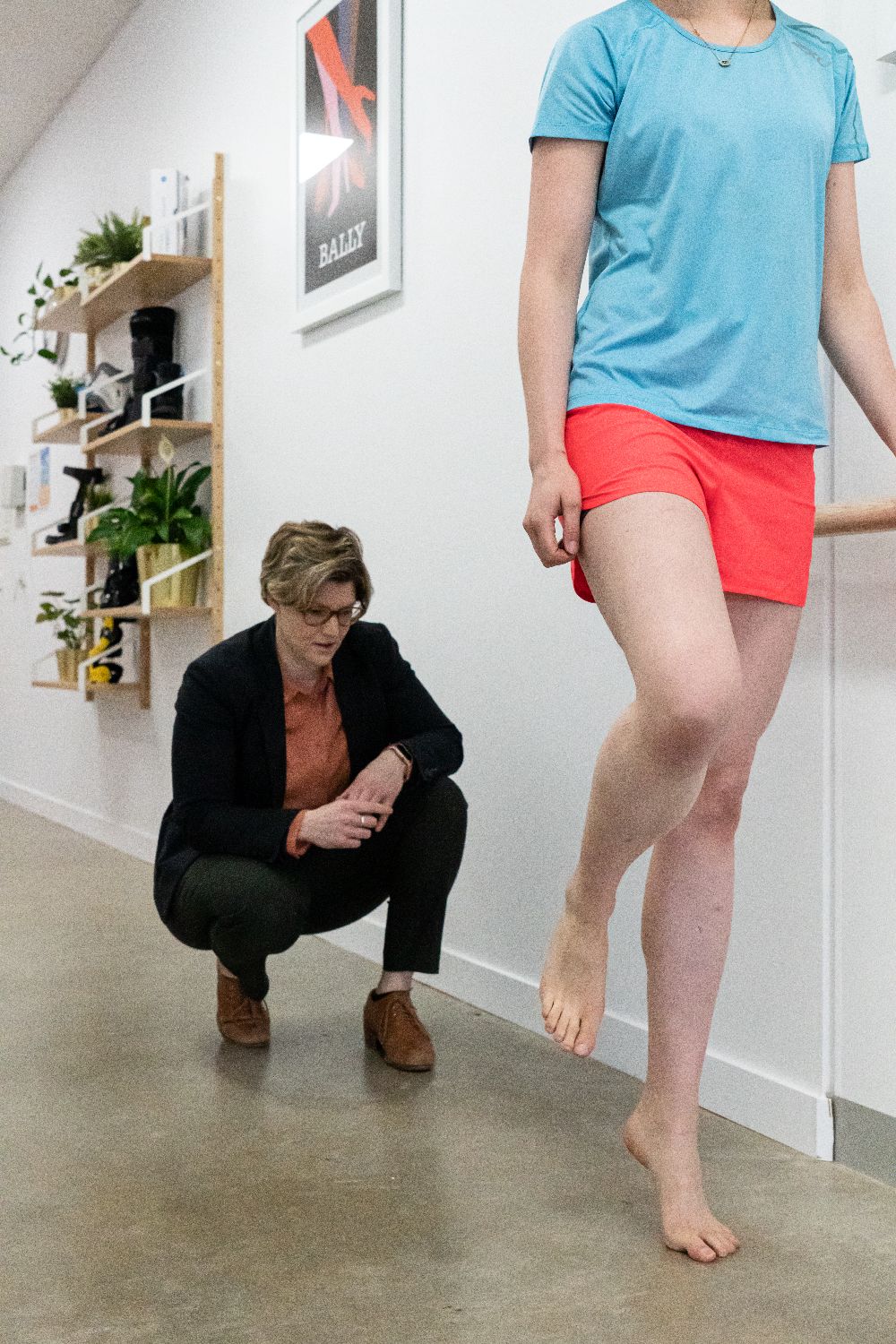
What Functional Electrical Stimulation Does
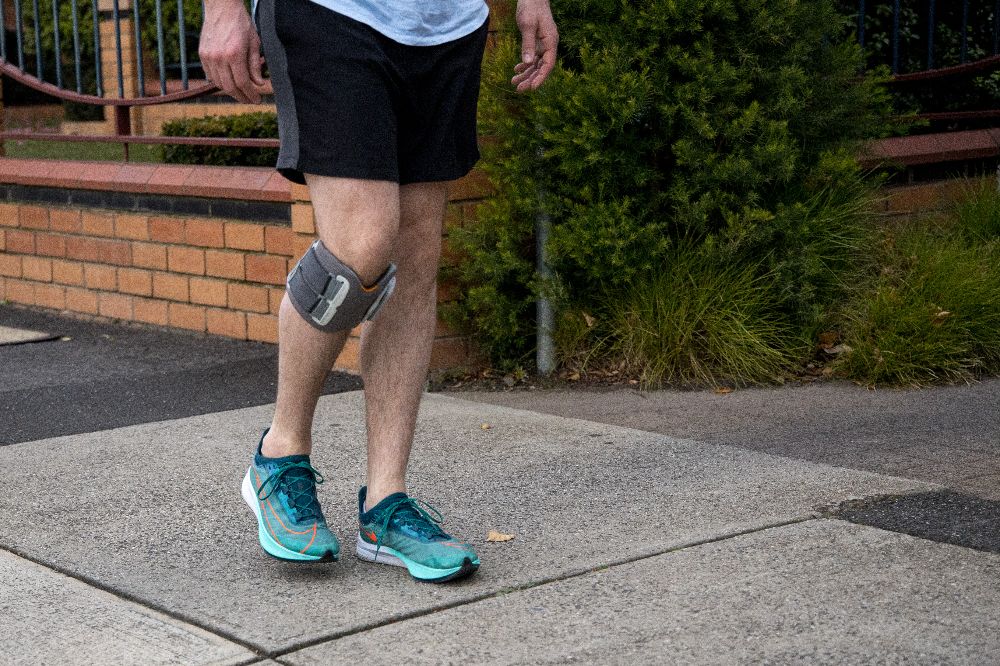
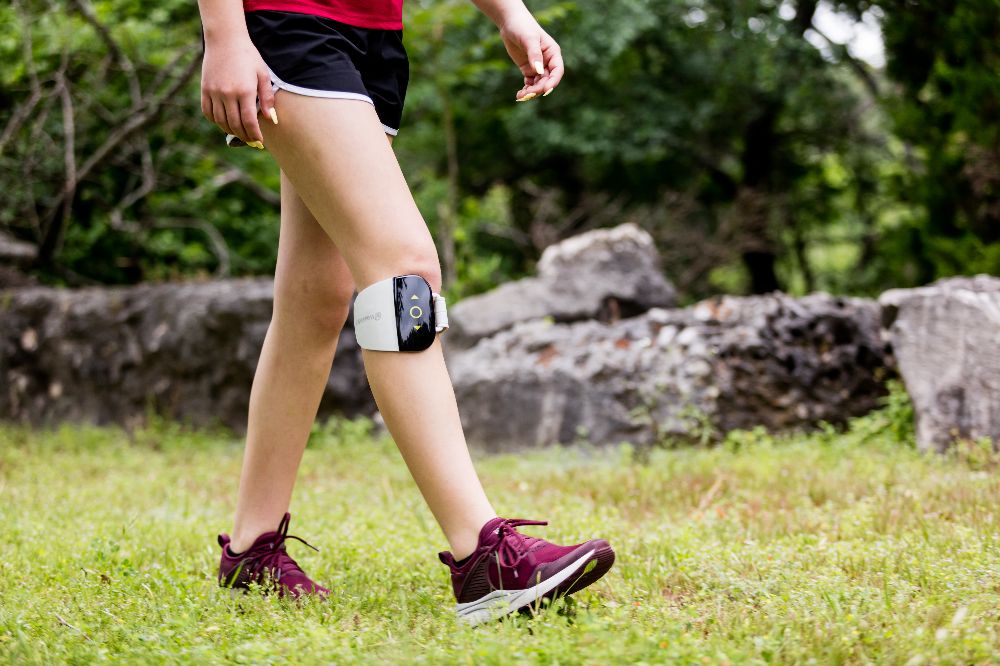
Functional electrical stimulation uses a small device that delivers electrical impulses through surface electrodes placed on the skin. The impulses stimulate nerves that control specific muscles in the lower leg.
When timed correctly during walking, the stimulation lifts the front of the foot. This movement improves foot clearance and reduces the likelihood of tripping.
People often receive FES as part of a rehabilitation program that aims to improve mobility and independence.
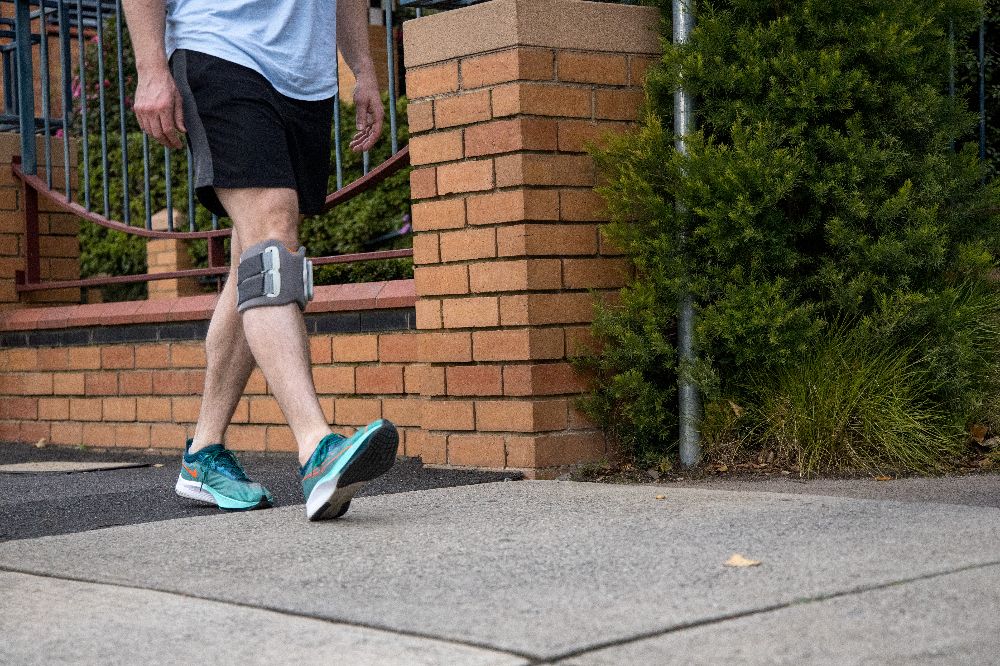
Development of FES in Australia
Clinicians and rehabilitation specialists began using functional electrical stimulation several decades ago to assist people with neurological walking impairments.
Australian rehabilitation centres and neurological clinics now use FES widely for gait rehabilitation. Research from neurological rehabilitation programs in Australia reports improved walking speed, reduced fatigue during walking, and increased confidence during mobility tasks.
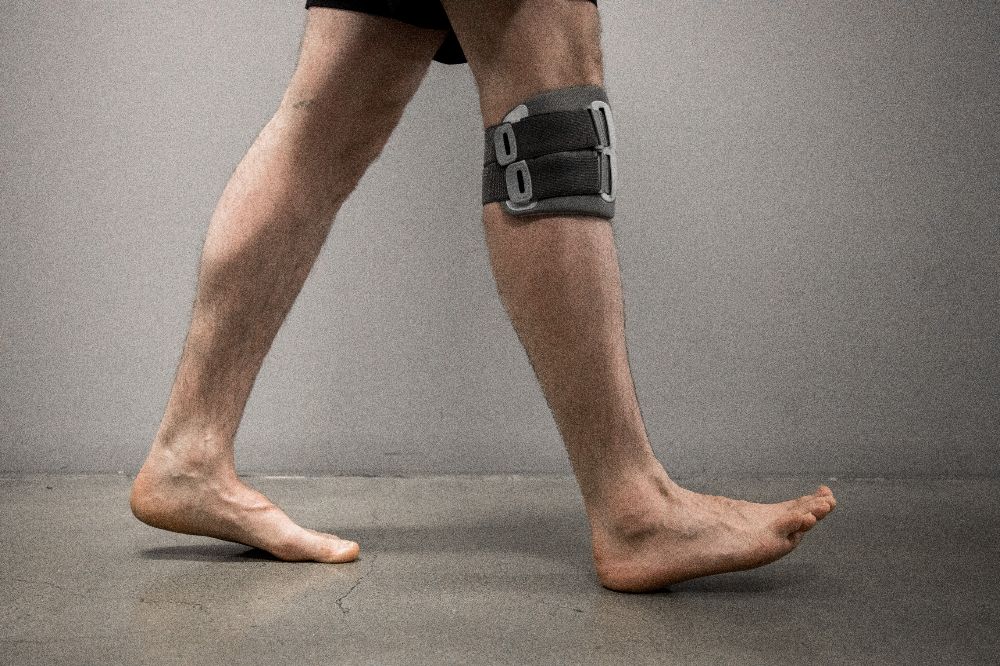
Benefits of Functional Electrical Stimulation
FES can support a range of rehabilitation goals for people living with neurological conditions.
Improved Foot Clearance During Walking
Electrical stimulation activates the muscles that lift the foot during the swing phase of gait. This movement helps reduce foot drag and lowers the risk of tripping.
Increased Walking Efficiency
Many patients report smoother walking patterns when using functional electrical stimulation. Improved timing of muscle activation can reduce compensatory movements such as hip hiking or circumduction.
Greater Independence
Improved walking ability can allow individuals to participate more comfortably in daily activities, including work, social activities, and community mobility.
Reduced Need for Passive Bracing
Some patients who previously relied on rigid ankle braces transition to FES to encourage active muscle engagement during walking.
Conditions That May Benefit from FES
Clinicians frequently recommend functional electrical stimulation for individuals with neurological conditions that affect foot control.
Examples include
- Stroke-related foot drop
- Multiple sclerosis
- Cerebral palsy
- Traumatic brain injury
- Spinal cord injury
- Peripheral nerve injury
A clinical assessment determines whether FES will improve walking mechanics for each patient.
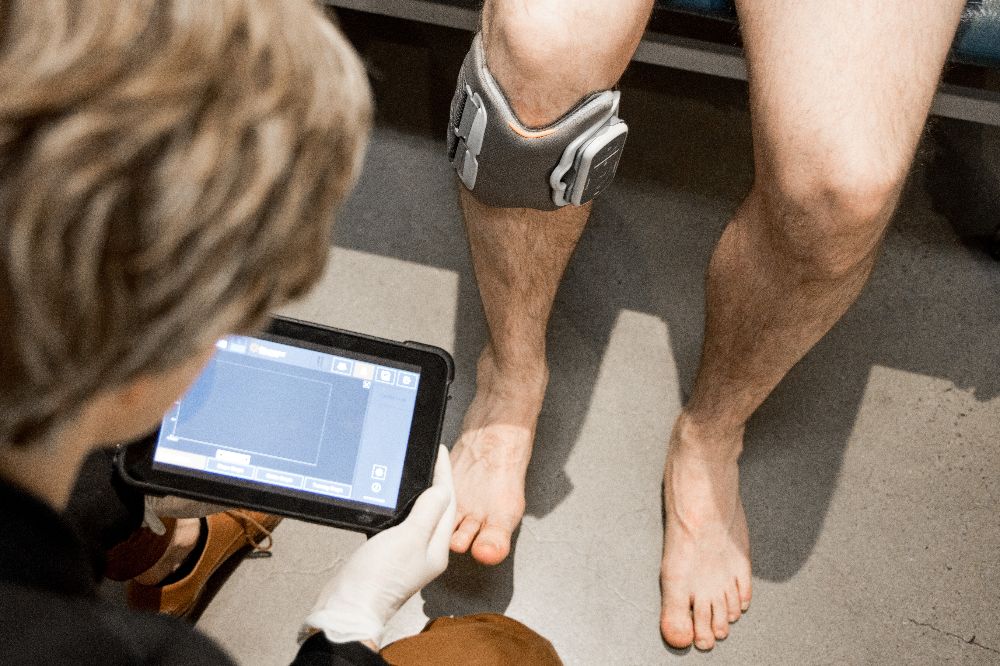
The FES Assessment and Treatment Process
Initial Assessment
A clinician evaluates walking mechanics, muscle strength, nerve function, and range of motion. The clinician observes gait and determines whether electrical stimulation improves foot lift during walking.
The clinician also reviews medical history and any relevant imaging or neurological diagnoses.
Device Setup and Programming
If the patient demonstrates improvement during the assessment, the clinician programs the FES device. Electrodes attach to the lower leg and connect to a small stimulation unit.
The clinician adjusts stimulation intensity and timing so the device activates the correct muscles during walking.
Training and Education
Patients receive instruction regarding device placement, electrode care, charging procedures, and daily use. Clinicians also guide patients through safe walking practice using functional electrical stimulation.
Follow-Up Care
Follow up appointments allow clinicians to review walking progress and adjust stimulation settings if required. These visits ensure the device continues to support rehabilitation goals.
Evidence Supporting Functional Electrical Stimulation
Clinical research in neurological rehabilitation demonstrates that FES improves walking performance for many people with foot drop.
Australian rehabilitation clinics have reported measurable improvements in walking speed and endurance when patients use functional electrical stimulation during gait training.
Orthotics Plus clinicians observe similar improvements during clinical practice. Many patients report greater walking confidence and reduced effort during daily activities.
What Is Included in FES Services
FES services at Orthotics Plus may include
- Clinical gait assessment
- Trial of functional electrical stimulation during walking
- Device configuration and programming
- Education regarding the safe use of the device
- Follow-up appointments for monitoring and adjustments
Pricing Guidance for FES in Australia
The cost of functional electrical stimulation varies depending on the device model and the level of clinical support required.
Typical pricing considerations include
- Clinical assessment appointments
- Device purchase or supply
- Follow-up programming sessions
Many FES devices in Australia range from several thousand dollars depending on device features and technology.
NDIS participants may receive funding support when functional electrical stimulation aligns with mobility and assistive technology goals.
Clinicians provide detailed quotes during the assessment appointment.
Locations and Availability
Orthotics Plus provides FES assessment and support through clinics located in Melbourne.
Clinic locations include:
- Malvern
- Heidelberg
- Richmond
- Forest Hill
- Pascoe Vale
Patients from across Australia may contact Orthotics Plus for information about functional electrical stimulation services and referrals.

Book an Assessment
Difficulty lifting the foot during walking can increase fatigue and reduce confidence when moving through daily environments. A clinical assessment can determine whether functional electrical stimulation will improve walking function.
Contact Orthotics Plus to discuss FES assessment and device trials.

Frequently Asked Questions
Functional electrical stimulation often assists people who experience foot drop due to neurological conditions such as stroke, multiple sclerosis, cerebral palsy, or spinal cord injury.
A clinician assesses walking mechanics and nerve response during a clinical appointment. If stimulation improves foot lift during walking, the clinician may recommend FES.
Many patients trial functional electrical stimulation during the assessment appointment. The clinician evaluates the response before recommending a device.
The clinician evaluates walking patterns, muscle function, and joint movement. The clinician may apply temporary electrodes to test how electrical stimulation affects walking.
NDIS funding may support FES when the device assists mobility and daily independence. Clinicians may provide documentation to support assistive technology applications.
If stimulation does not improve walking mechanics, the clinician may recommend alternative orthotic or rehabilitation options.