Cerebral palsy can affect muscle control, joint position, balance and walking efficiency. Cerebral palsy orthotics help manage these issues by supporting alignment, improving stability and guiding movement during standing and walking.
At Orthotics Plus, orthotists assess children and adults with cerebral palsy to determine which device will best support daily function. Support can include foot orthoses, ankle-foot orthoses, knee-ankle-foot orthoses, footwear changes and contracture management bracing. In selected cases, functional electrical stimulation can also play a role.
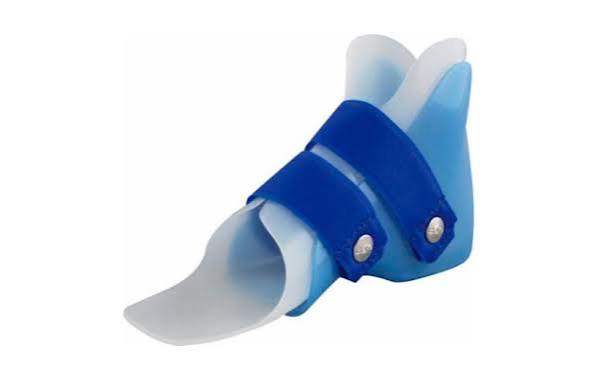
Benefits of orthotics for cerebral palsy
The right orthotic prescription can improve foot position, reduce trip risk, support safer weight-bearing and make walking less tiring. It can also help protect joints and soft tissue from repeated overload, especially when tight muscles, poor control or altered gait place extra stress through the lower limb.
Research on lower limb orthoses in cerebral palsy shows improvements in gait and functional mobility when clinicians match the device to the person’s presentation and goals. Orthotics Plus has also published case examples where reviewing an existing brace improved toe clearance and knee control for an adult with cerebral palsy.
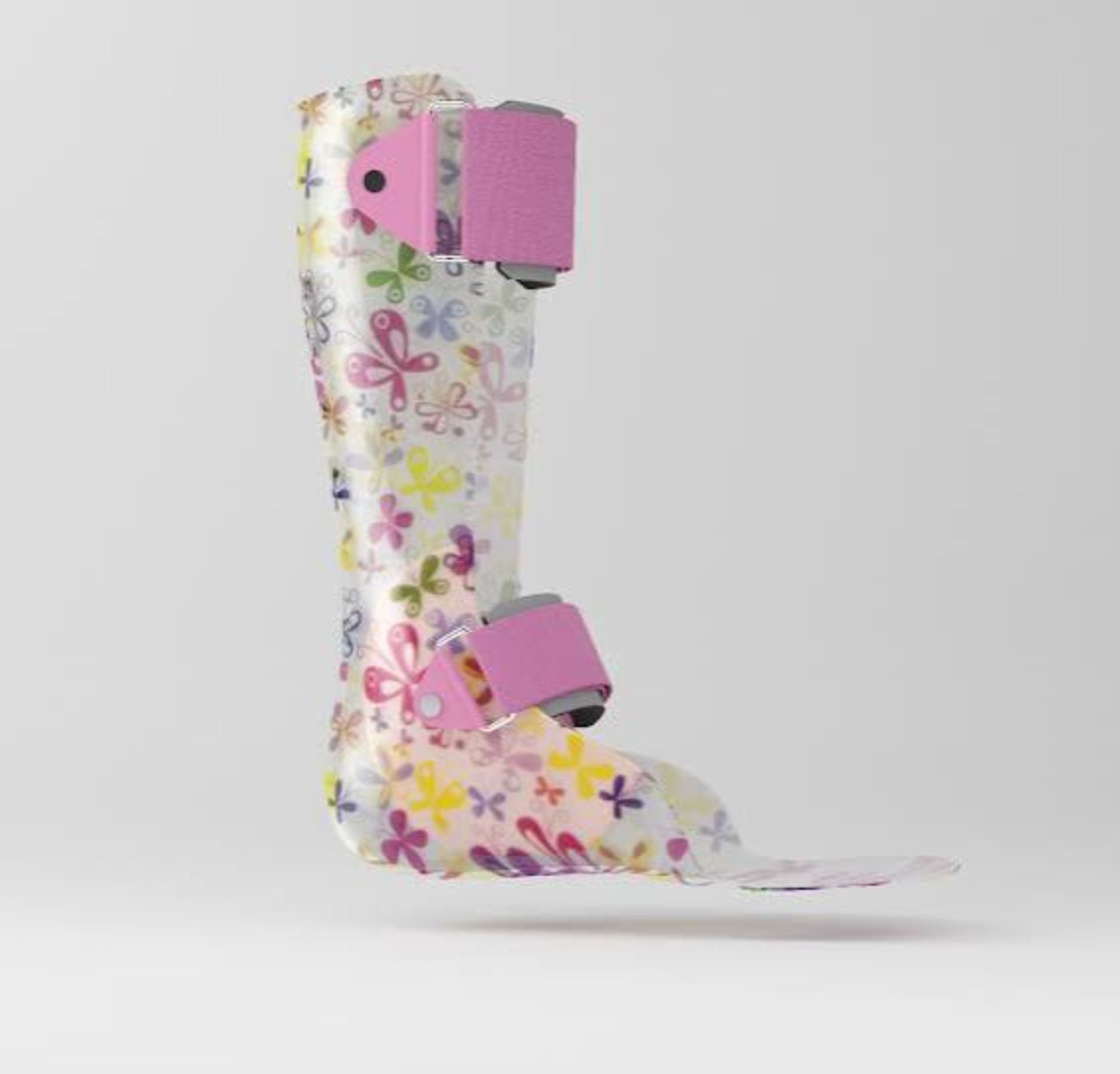
Types Of Orthotics Used For Cerebral Palsy
Foot orthoses
Foot orthoses suit mild to moderate foot posture and loading issues. They can improve the base of support, help manage pressure, reduce strain through the foot and make footwear work more effectively. They often help when a person needs foot-level guidance without a higher brace.
AFOs
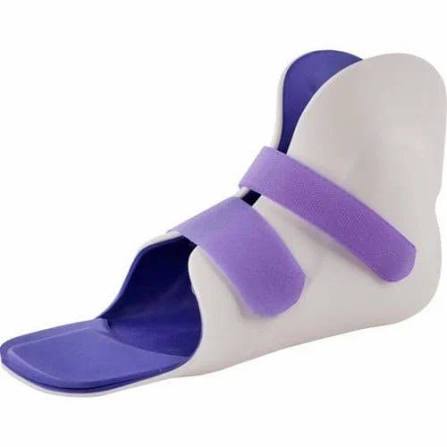
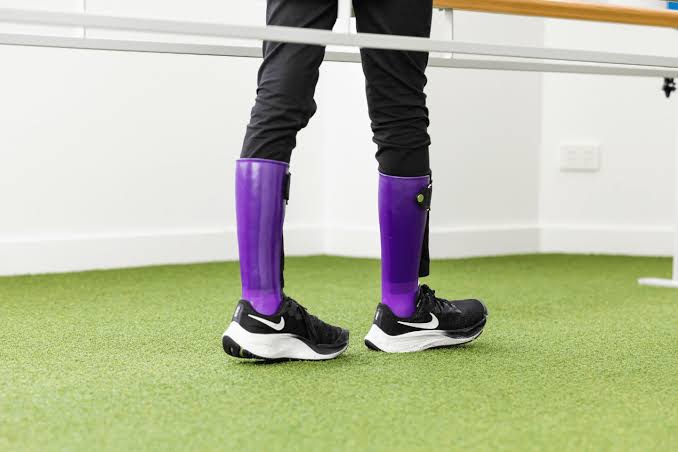
AFOs support the foot and ankle and can influence knee position during walking. Clinicians often use them when a person has foot drop, crouch gait, poor toe clearance, plantar flexion tightness, instability in standing or walking, or gait changes that improve when the ankle sits in a better position. Depending on the design, an AFO can improve stability, support a smoother gait and reduce compensatory movements such as hip hiking or circumduction.
KAFOs
KAFOs extend above the knee and provide more control when an AFO alone cannot manage the problem. They can help when the knee collapses, marked hyperextension, combined knee and ankle instability or significant weakness limits safe mobility. A KAFO can improve standing stability and make walking safer, though clinicians usually reserve it for presentations that need that level of support.
Other support options
Some people benefit from contracture management bracing, footwear modifications or functional electrical stimulation. Orthotics Plus considers these options when they suit the person’s gait, joint range, activity level and daily goals.
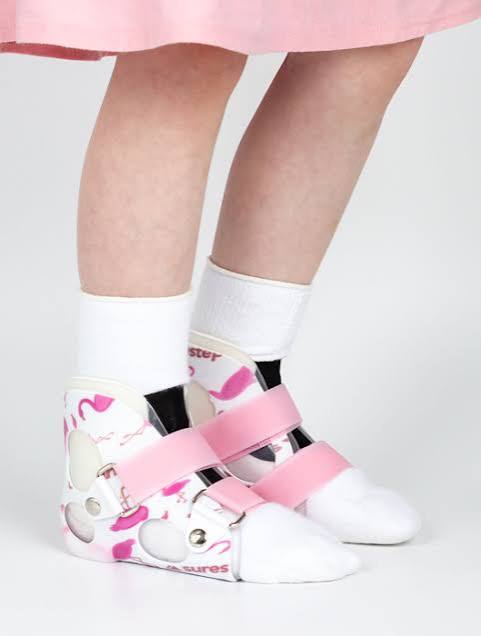
Assessment And Fitting
Orthotics Plus starts with a detailed assessment. For many complex lower limb prescriptions, the first appointment takes about an hour. The orthotist reviews medical history, current symptoms, gait, joint range, muscle strength, balance, spasticity, posture, footwear and any current braces.
For children, the assessment also looks at growth, development, school, therapy and play. For adults, it often focuses on walking distance, falls, pain, work demands and community mobility.
After the assessment, the orthotist explains which device is likely to help and why. Some people can trial a prefabricated option during the appointment. Others need a custom prescription with scanning, casting or detailed measurements.
At the fitting appointment, the orthotist checks comfort, alignment and function, makes adjustments, checks skin pressure areas and explains wear time, shoe selection and care. Follow-up reviews allow the device to change with growth, gait changes or day-to-day use.
Orthotics Plus often works alongside physiotherapists, occupational therapists, GPs, paediatricians, rehabilitation physicians and support coordinators when shared care will improve the outcome.
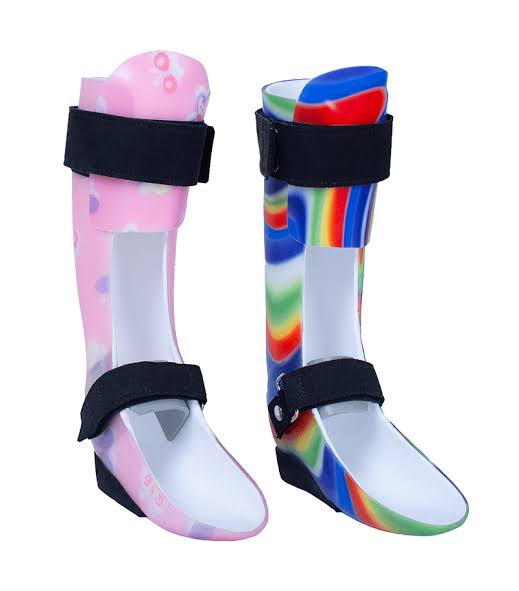
Clinical Experience And Expected Outcomes
Orthotics Plus orthotists hold university qualifications in orthotics and prosthetics and regularly assess complex neurological and musculoskeletal presentations. The team uses clinical assessment, gait observation and device review to match the prescription to the person rather than relying on the same brace for every presentation.
Orthotics can improve mobility, stability and comfort, but results vary. The best outcome usually comes from the right prescription, the right footwear, gradual wear and ongoing review.
What The Service Includes
Orthotic care for cerebral palsy may include:
- Clinical assessment and gait review
- Device selection and prescription
- Scanning, casting or measurements where required
- Fitting and adjustment
- Footwear advice
- Education on wear, care and skin checks
- Follow-up reviews
- Documentation for referrers or funding pathways when needed
The service does not include surgery, imaging costs, physiotherapy sessions or footwear purchase unless the prescription specifically requires a footwear or modification arrangement.
You do not need a GP referral to book, though recent reports, scans, current footwear and existing braces can help with the assessment.
Pricing and NDIS
Orthotic pricing varies according to the type of device, the complexity of the prescription and the level of clinical support involved. Simple foot orthoses usually sit in the hundreds. Custom AFOs and more complex lower limb devices can reach into the thousands, especially when they require custom fabrication, multiple fittings and follow-up adjustments.
Assessment fees also vary based on appointment length and complexity. Orthotics Plus explains assessment costs before the appointment and provides written quotes for more complex prescriptions.
For NDIS participants, orthotic services may fall under assistive technology and, in some cases, capacity-building supports. Orthotics Plus can prepare quotes and supporting documentation for self-managed, plan-managed and agency-managed participants.

Locations And Availability
Orthotics Plus provides in-person cerebral palsy orthotics services at clinics in Malvern, Heidelberg, Richmond, Forest Hill and Pascoe Vale.
People outside Melbourne can still contact Orthotics Plus from elsewhere in Australia to discuss referrals, funding, telehealth planning and travel for assessment or fitting. Most cerebral palsy orthotic prescriptions still require in-person clinic visits for hands-on assessment, fitting and review.
FAQs
Orthotics Plus may recommend foot orthoses, AFOs, KAFOs, contracture management bracing, footwear modifications or selected FES options.
A complex lower limb orthotic assessment often takes about an hour, with separate fitting and review appointments if needed.
The orthotist checks comfort, alignment and skin pressure, makes adjustments and explains wear time, footwear and care.
Children often need closer review during growth. Adults usually need review when fit, comfort, footwear or walking changes.
People can notice rubbing, fatigue or a different walking pattern early on. A review usually resolves fit issues before they become bigger problems.
Use the recommended shoes and socks, follow the wearing-in plan and check the skin daily in the early stage.
Book a cerebral palsy orthotics assessment
If cerebral palsy affects walking, balance or lower limb comfort, a thorough orthotic assessment can clarify which device will help and which level of support makes sense. Orthotics Plus sees children and adults across five Melbourne clinics and supports private and NDIS pathways. Call Orthotics Plus on (03) 9077 6414 to book an assessment or contact the clinic team to discuss the next step.