How We Help People with Thumb Injuries
We are commonly contacted to assist with thumb fractures, soft tissue injuries and chronic conditions.
Our approach to management varies, depending on the condition and if it is an acute injury or chronic condition. In most cases, we are aiming to immobilize and support the injury site and surrounding joints (if required) whilst the injury heals and function is restored.
We provide prefabricated and custom made devices. Our services are available through our Melbourne clinics. We’ll help you choose a thumb splint that is suitable for your condition and lifestyle.
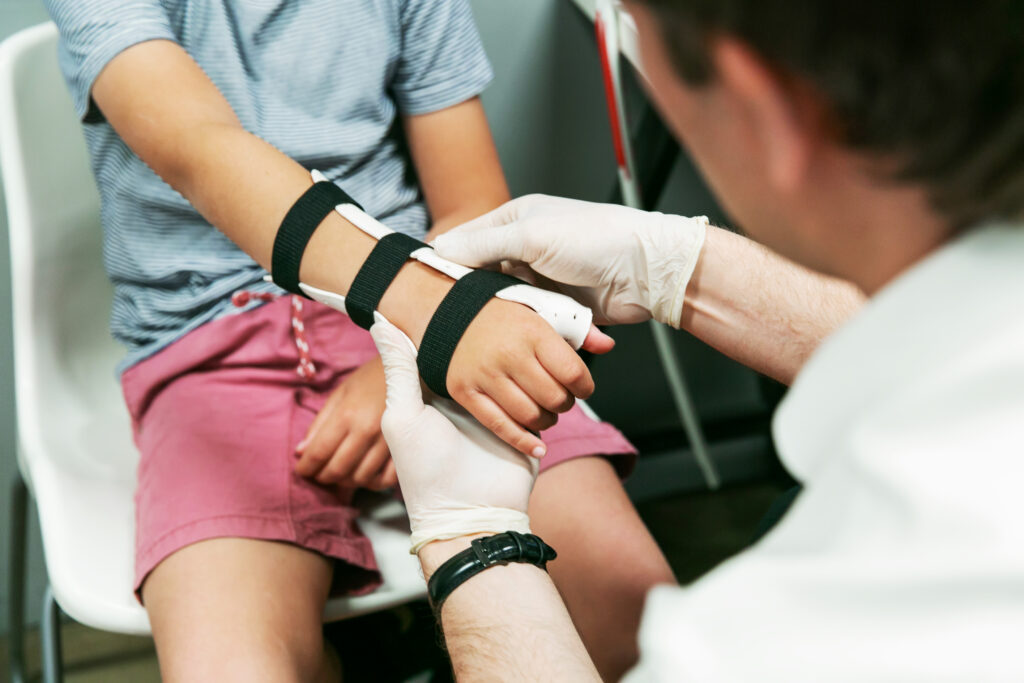
Thumb Splints for Support and Recovery
A thumb splint is a supportive device designed to protect and stabilise the thumb during injury recovery or when managing chronic conditions. Sometimes called a thumb brace, thumb spica, or thumb spica splint, this device limits motion to reduce pain and promote healing. Thumb splints are useful for injuries ranging from sprains and strains to arthritis and repetitive stress conditions.
Types of thumb splints include prefabricated options for general support and custom devices formed from thermoplastic materials. Some splints use neoprene or breathable fabrics for comfort during daily activities.
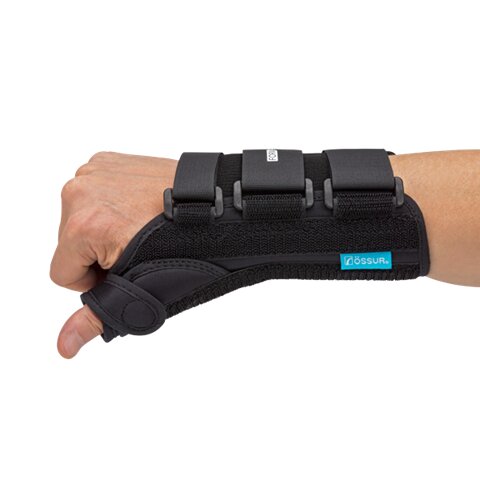
Thumb & Hand Healthcare Available
- Assessment and treatment of thumb/hand trauma including fractures, dislocations and sprains
- Post-surgical thumb/hand management
- Assessment, treatment & advice on chronic thumb conditions and management of pain
- Wound care management, education and supplies
- Advice and guidance about hand-writing and returning to activities
- Taking part in multidisciplinary care
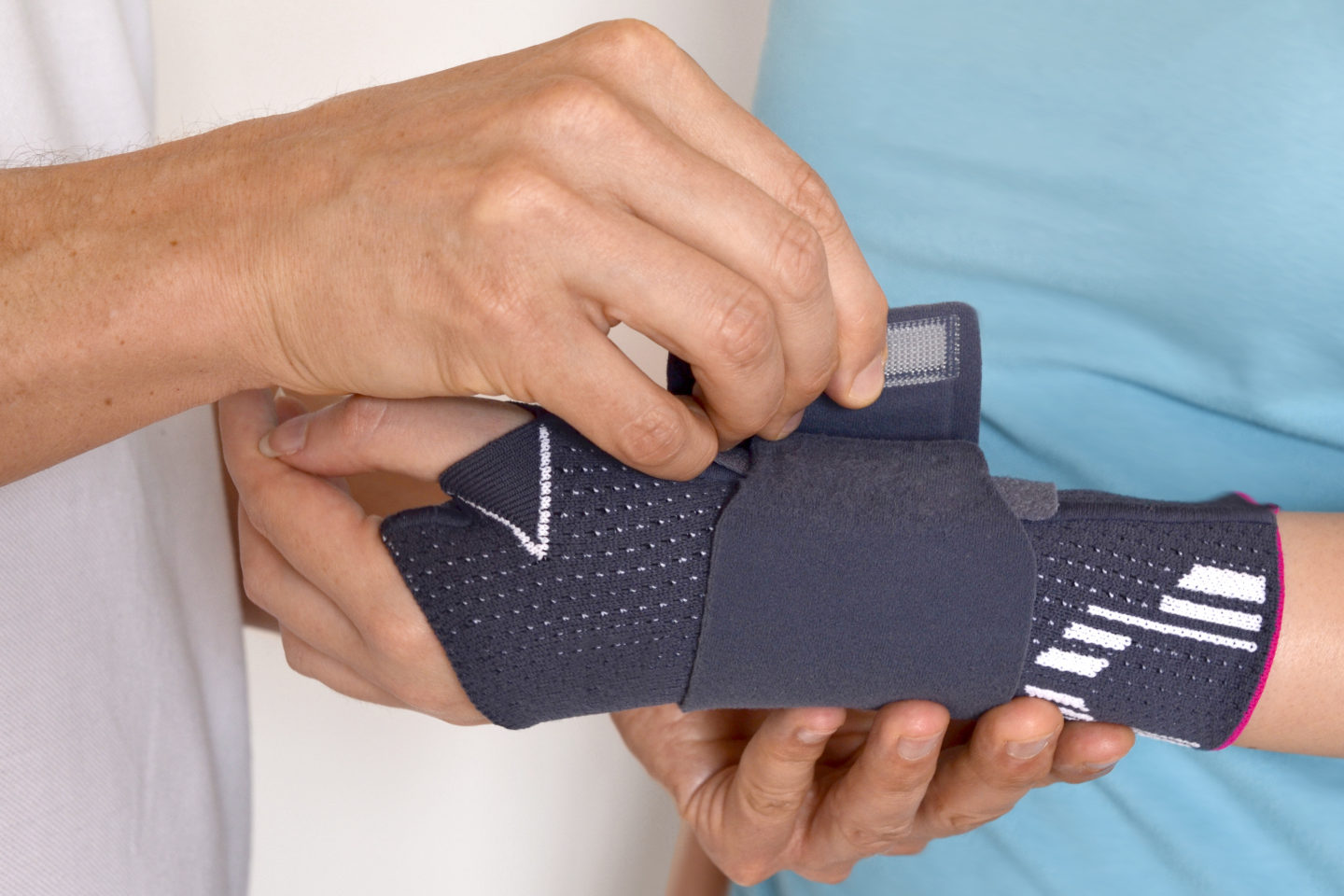
Types of Thumb Splints
Please contact for an assessment and appropriate prescription of:
- Custom made thermoplastic thumb splints
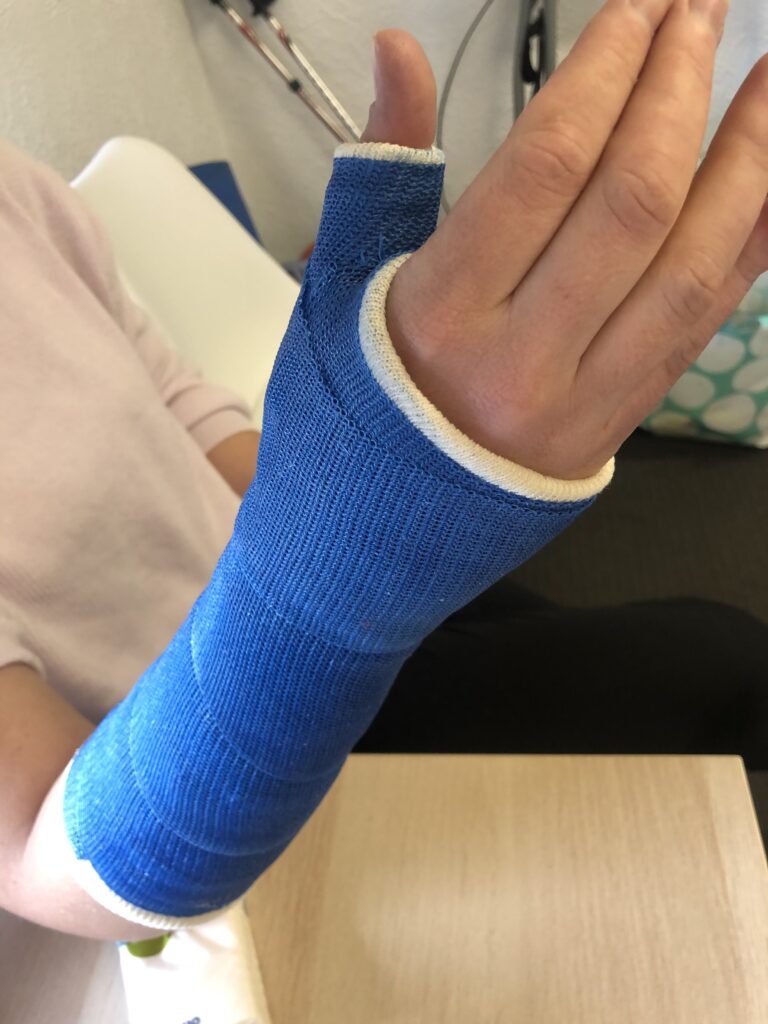
- Thumb casting (fibreglass & waterproof)
- Custom neoprene finger and thumb splints
- Wrist hand orthoses
- Night thumb/wrist supports
- Ossur Universal thumb splint
- Ossur Formfit Universal thumb
- Ossur Formfit thumb OA day
- Ossur Formfit thumb OA night
- Hand / finger / thumb separator
- Functional resting splints
- OAPL sports thumb strap
Benefits of Using a Thumb Brace
Using a thumb splint offers several benefits:
- Pain Relief: Immobilising the thumb joint reduces stress on ligaments, tendons, and joints during healing or flare‑ups.
- Improved Function: Support helps maintain hand use during recovery from conditions like De Quervain’s tenosynovitis or sprains.
- Enhanced Recovery: Stabilising the thumb helps prevent further injury while tissues heal.
- Comfort and Durability: High‑quality materials such as thermoplastics and neoprene provide long‑lasting support and comfort throughout wear.
Thumb splints can support daily activities such as typing, lifting light objects, or handling tools while protecting the injured area.
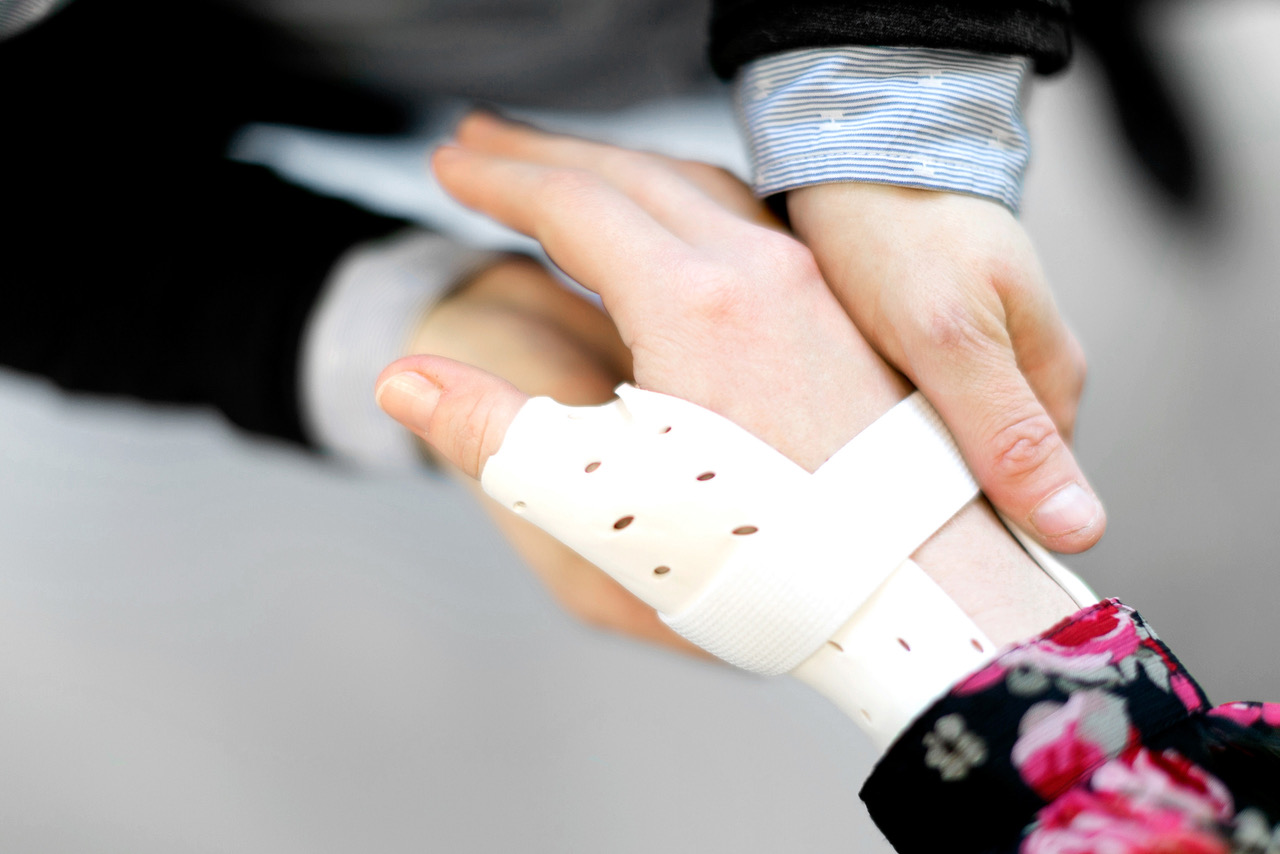
Conditions That May Require a Thumb Splint
Acute Injuries
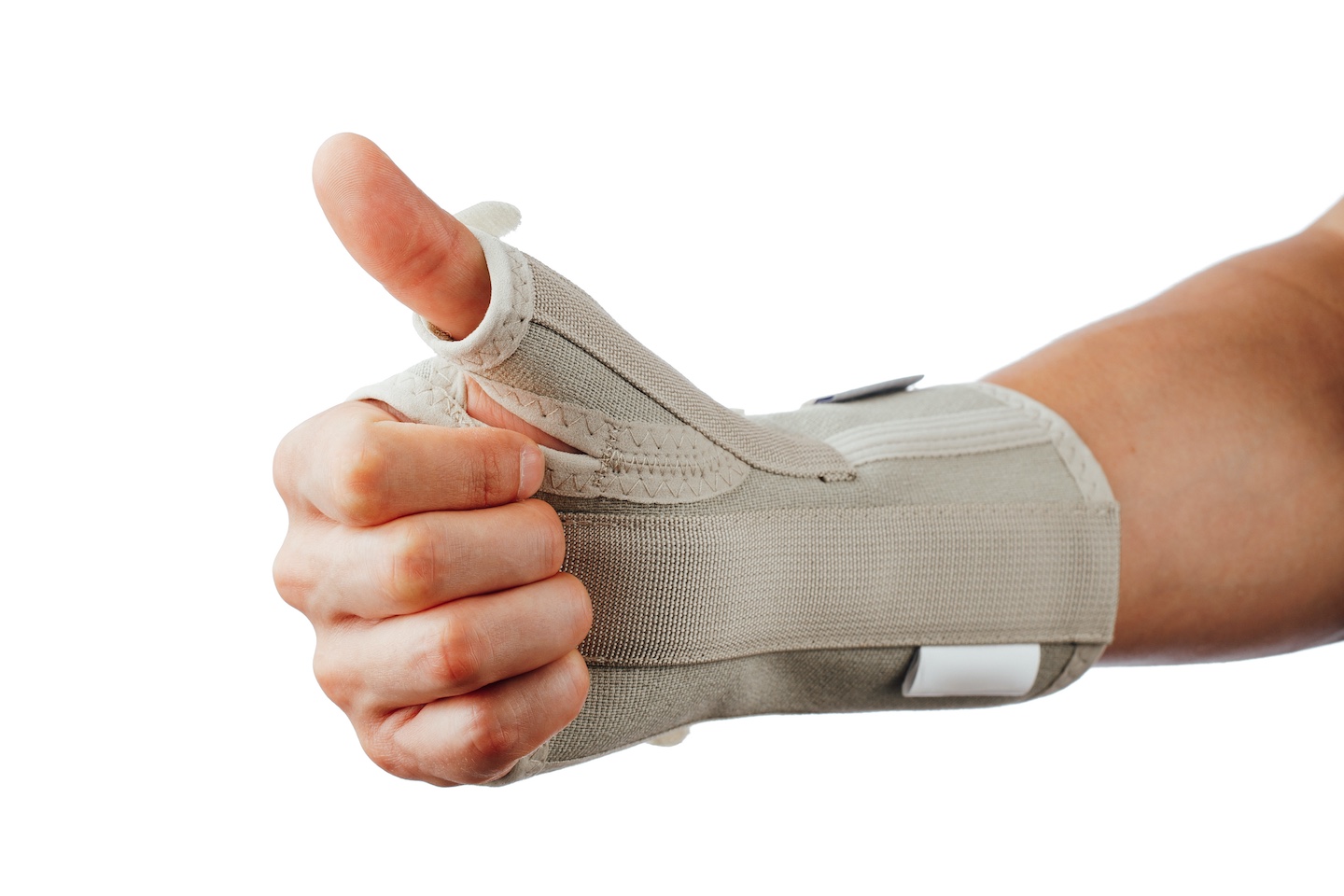
Ligamentous injuries
- Skier’s thumb
- Sports injuries
- Gamekeeper’s thumb
- Radial collateral ligament of the thumb
- Ulnar collateral ligament of the thumb
Ligamentous injuries of the thumb generally require us to prevent the movement which created the injury at the joint, while allowing the rest of the hand to remain functional and the patient to participate in work and rehabilitation where appropriate.
Fractures
- Scaphoid
- First metacarpal
- Proximal phalanx of the thumb
- Distal phalanx of the thumb
Fractures generally require immobilisation for a period of time with a cast (waterproof or non-waterproof) or a thermoplastic splint to allow healing.
Chronic Injuries
Cronic Conditions
- Repetitive Stress Injury
- De Quervain’s tenosynovitis
- Osteoarthritis of the base of thumb
- Extensor tendon – Boutonnière deformity
- Carpal tunnel
- Postoperative support
Our focus is to provide a thumb splint so our patients can maintain the highest level of function possible, live with a good quality of life and recover!
How to Get a Thumb Splint
Initial Assessment
A clinician examines your thumb pain, range of motion, and functional goals. Your hand history and activity needs guide the type of splint selected. A referral from a specialist or GP with your diagnosis is essential.
Selection of Splint
The clinician recommends an appropriate thumb splint, whether a prefabricated design for mild support or a custom thumb spica splint for complex needs.
Fitting and Adjustment
Your clinician fits the thumb splint and adjusts straps or contours to match your anatomy. This process ensures comfort and optimal support for daily use.
Follow‑Up Care
Follow‑up appointments check healing progress and allow adjustments to improve comfort or function as needed.
What Is Included
- Clinical assessment by qualified clinicians with experience in hand and thumb support
- Fitting and adjustment of the thumb splint
- Education on safe application, removal, and wear
- Follow‑up consultations to monitor progress
Exclusions: Additional treatments unrelated to thumb splint fitting, specialised hand therapy sessions, and accessory items may incur separate fees.
Pricing and Support Options
Thumb splint prices vary based on whether you choose a prefabricated model or a custom device. Basic thumb braces are generally available within a moderate price range, while custom splints formed in‑clinic may involve additional costs. Your clinician provides a clear quote during assessment.
Potential funding and coverage options include:
- Private health insurance extras cover
- NDIS support for eligible participants
- TAC claims for transport injuries
- WorkCover for workplace injury claims
Our administration team assists with claim forms and supporting documentation.
Outcomes of Wearing a Thumb Splint
Thumb splints are primarily used in the conservative management of thumb conditions, they may help with:
- Appropriate immobilisation to facilitate healing
- Reducing pain
- Providing a sense of warmth and comfort
- Lowering the risk of recurring injury
- Are removable – allowing the patient to wash, ice or participate in physical therapy as directed by Allied Health professionals
- Avoid or delay thumb surgeries
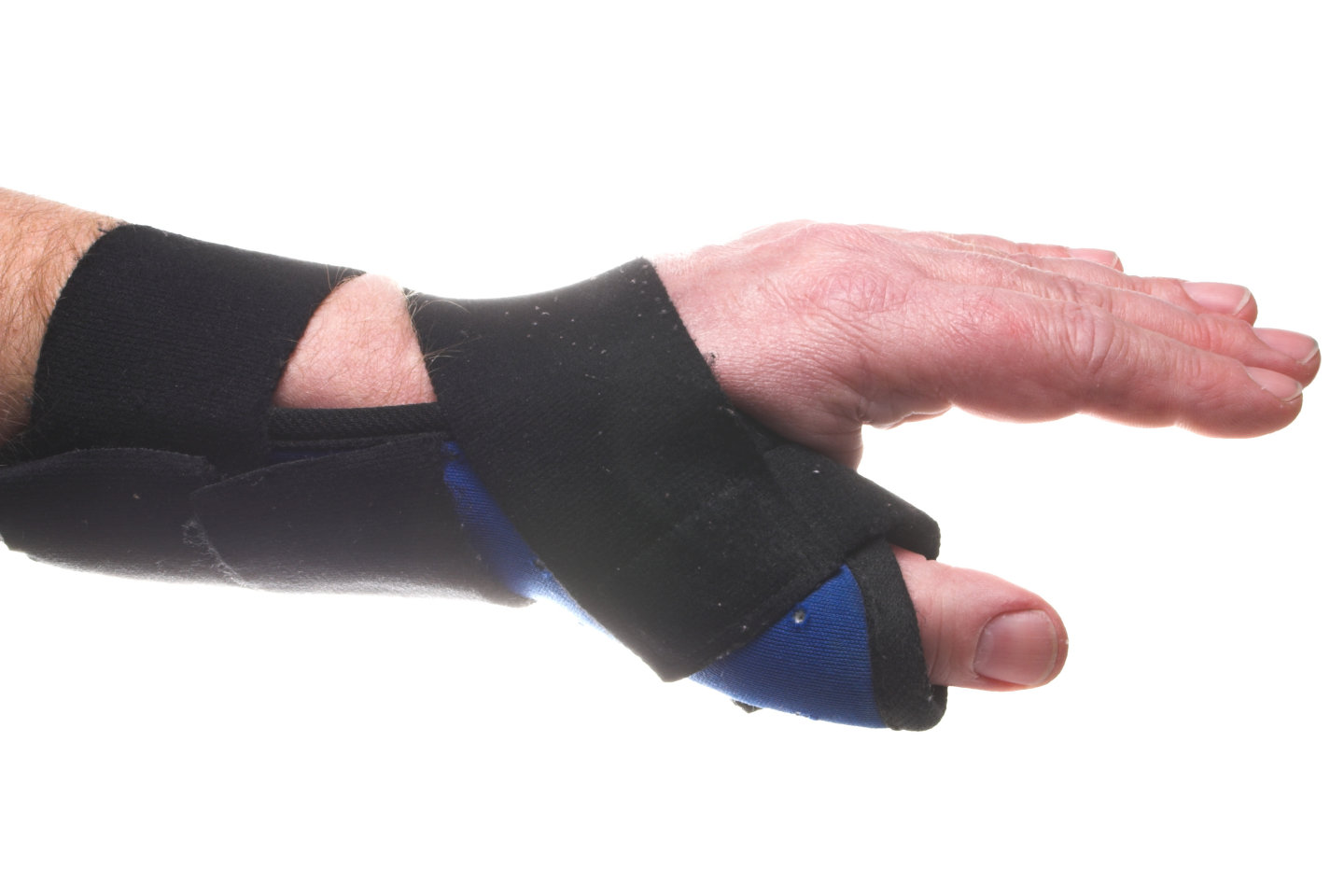 A stiff fabric brace for broken or sprained wrists.
Clinic Locations
Thumb splint assessment and fitting services are available at Orthotics Plus clinics across Melbourne:
Appointments can be booked by phone or online. Telehealth consultations are available for preliminary assessments or follow‑up reviews when appropriate.
Booking an Upper Limb Assessment
Orthotics Plus is an Australian-owned company founded in 2012. We are highly experienced in the Orthotic management of many upper limb conditions. Here’s why we’re a great provider:
- We provide detailed education
- Our clinicians are kind and caring
- We can review your x-rays from the hospital
- You can see a large range of splints at our clinic
- Our experienced clinicians can manufacture your thumb splint during the appointment if required
As a rule of thumb, Orthotics Plus is here to help!

Frequently Asked Questions
Thumb splints support sprains, strains, arthritis, De Quervain’s tenosynovitis, and repetitive stress injuries. They offer stability and pain relief while protecting the thumb joint.
Your clinician assesses your thumb mechanics, activity needs, and symptom severity to recommend the most appropriate option.
Wear time depends on your condition and treatment goals. Your clinician will advise on daily duration based on comfort and healing progress.
Light activities are often possible with a thumb brace. High‑impact or forceful tasks should be discussed with your clinician.
Contact your clinic to arrange an adjustment. Small changes to strap tension or positioning can improve fit and comfort.
Clean fabric or neoprene components with mild soap and water. Wipe dry before reuse. Thermoplastic custom splints should be kept dry and checked periodically for wear.
The use of premade or custom depends on the shape of the patient’s wrist and hand and their injury.
For smaller or paediatric patients or very large patients, we almost always manufacture a custom brace because we believe this will achieve better results than other solutions.
In complex, severe, fractures or extremely painful cases, we typically use a custom solution to maximise the fit for our patient, as this often translates to better outcomes for safety and pain management and a more intimate fit can provide better support
For ligamentous injuries and for patients who respond well to a prefabricated product, there may not be a need to upgrade to a custom splint or braces.