KAFO Fittings & Rehabilitation Services
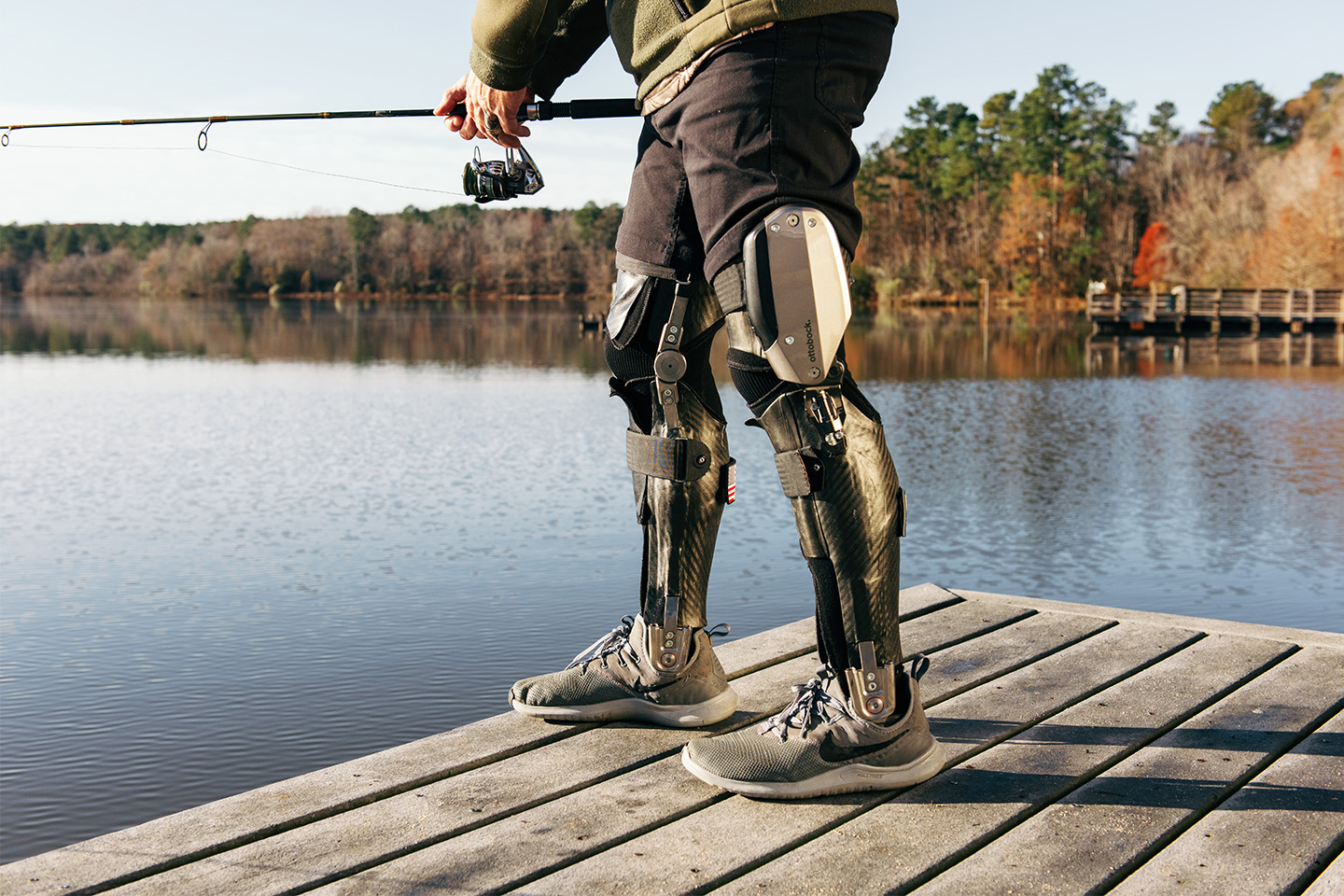
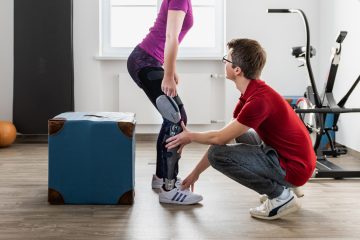
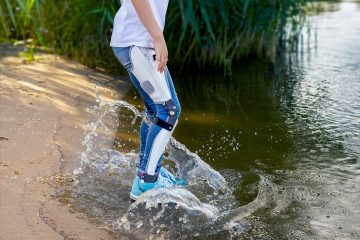
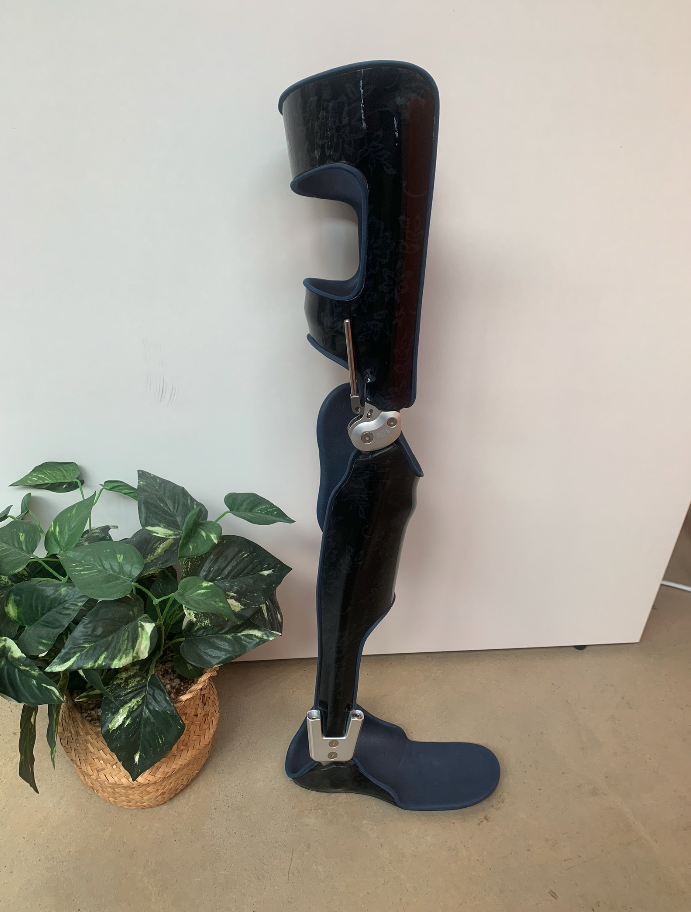
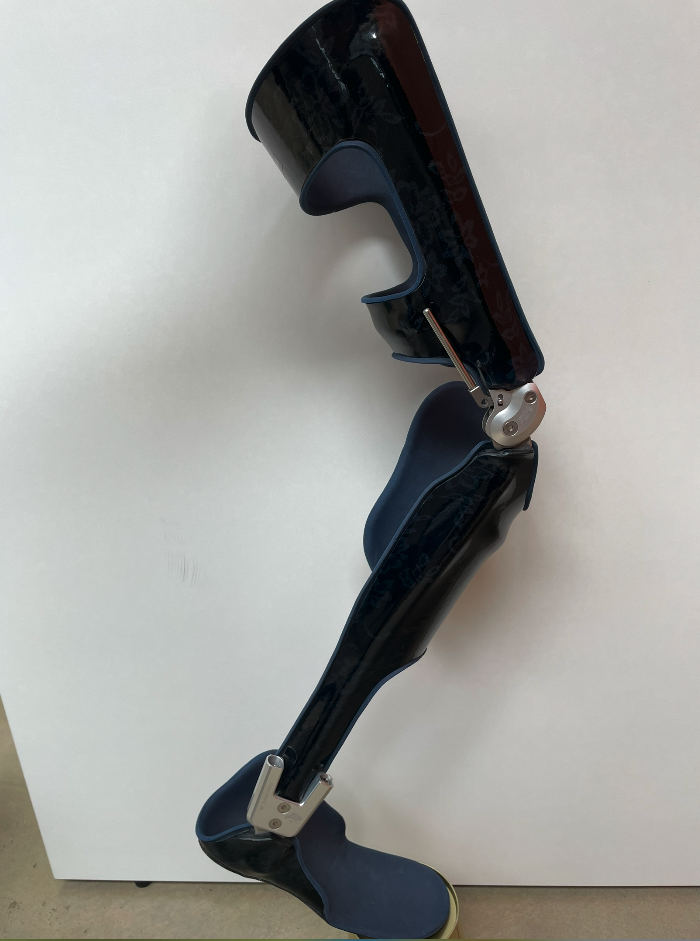
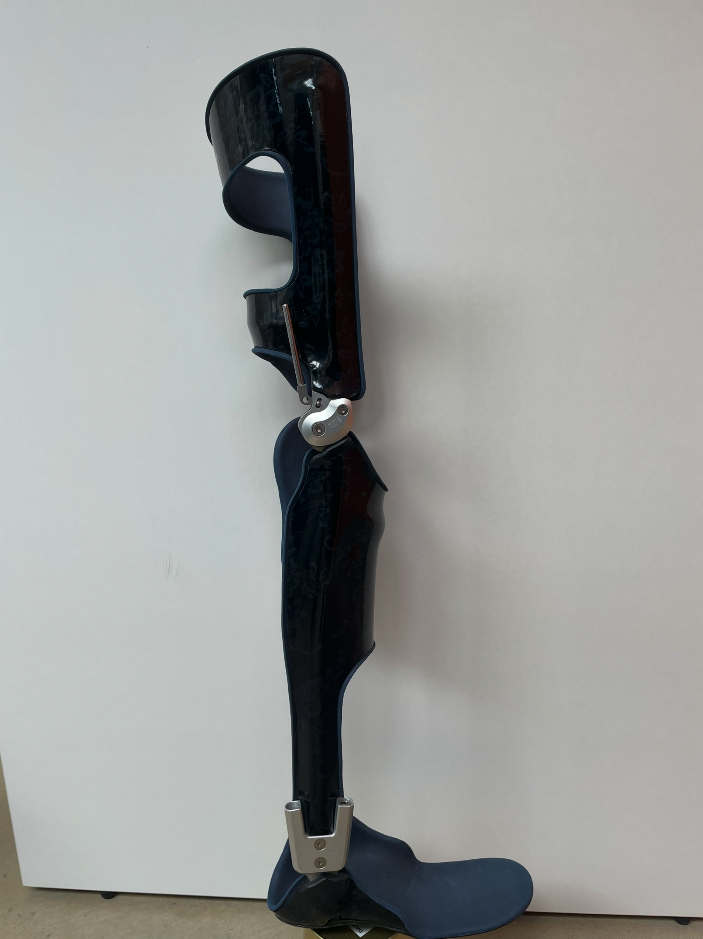
KAFO (Knee Ankle Foot Orthosis) is an orthotic device that extends from the foot to just below the hip. It provides stability to the lower limb, typically for patients with knee weakness or paralysis.
Orthotics Plus provides custom KAFO solutions from our Melbourne clinics, using advanced scanning and casting to tailor each prescription to the patient’s needs.
Our senior Orthotists bring over 10 years of experience, supporting neuromuscular conditions through KAFOs since our founding.


Reasons a Patient May Require a KAFO
KAFOs can be used to improve walking ability, reduce pain, lower falls risk, increase mobility, increase independence and reduce the risk of conditions caused by overuse, such as:
- Neurological conditions such as stroke, polio, brain injury, spinal cord injury, motor neurone disease, multiple sclerosis, etc
- Physical condition or deficiency such as general weakness/atrophy, knee hyperextension, foot drop, progressive deformity
- Peripheral nerve injury causing a degree of paralysis in the lower limb
We are experienced in providing KAFO solutions for cases like these.
Contraindications to KAFOs
It is important to acknowledge there are contraindications for a KAFO.
The most common contraindication is patient compliance. The patient should be motivated to improve, wear the device and participating in a rehabilitation program.
Additionally, a level of dexterity is required to fit the KAFO, so the person’s capacity to fit it themselves/with a carer is taken into consideration.
For patients with upper limb limitations, there are buckles and straps accessed with one hand and new technology available which we can advise you on.
In summary, if you cannot walk due to lack of strength or control in your knee or lower limb we would encourage you to book an appointment with us to discuss your options.
Knee Ankle Foot Orthosis (KAFO) for Lower Limb Support
A KAFO is a Knee Ankle Foot Orthosis that stabilises the leg through the knee and ankle during standing and walking. This device supports people with reduced strength or control in the lower limb. A KAFO brace can help improve mobility, reduce strain, and support everyday movement.
How Orthotics Plus Provides KAFO Care
Clinicians at Orthotics Plus have formal qualifications in Prosthetics and Orthotics and years of hands‑on experience. Our team includes Orthotists who have worked with thousands of patients across complex orthotic prescriptions. Many clinicians have worked alongside surgeons, physiotherapists, and neurologists to align brace function with broader healthcare goals.
Orthotics Plus has provided professional Orthotic services in Melbourne since 2012. The practice has been a registered NDIS provider since 2018, supporting participants to enhance mobility and independence. This experience helps clinicians work with people who live with disability and adapt devices to changing needs throughout life.
Who May Benefit From a KAFO Brace
A KAFO brace is often recommended for people who have:
- Spinal cord injury
- Post‑polio syndrome
- Muscular dystrophy
- Charcot‑Marie‑Tooth disease
- Significant knee or ankle instability due to neurological weakness
Your clinician assesses strength, joint motion, and functional goals to determine whether a KAFO device can support safer movement.
Types of KAFO Braces Available
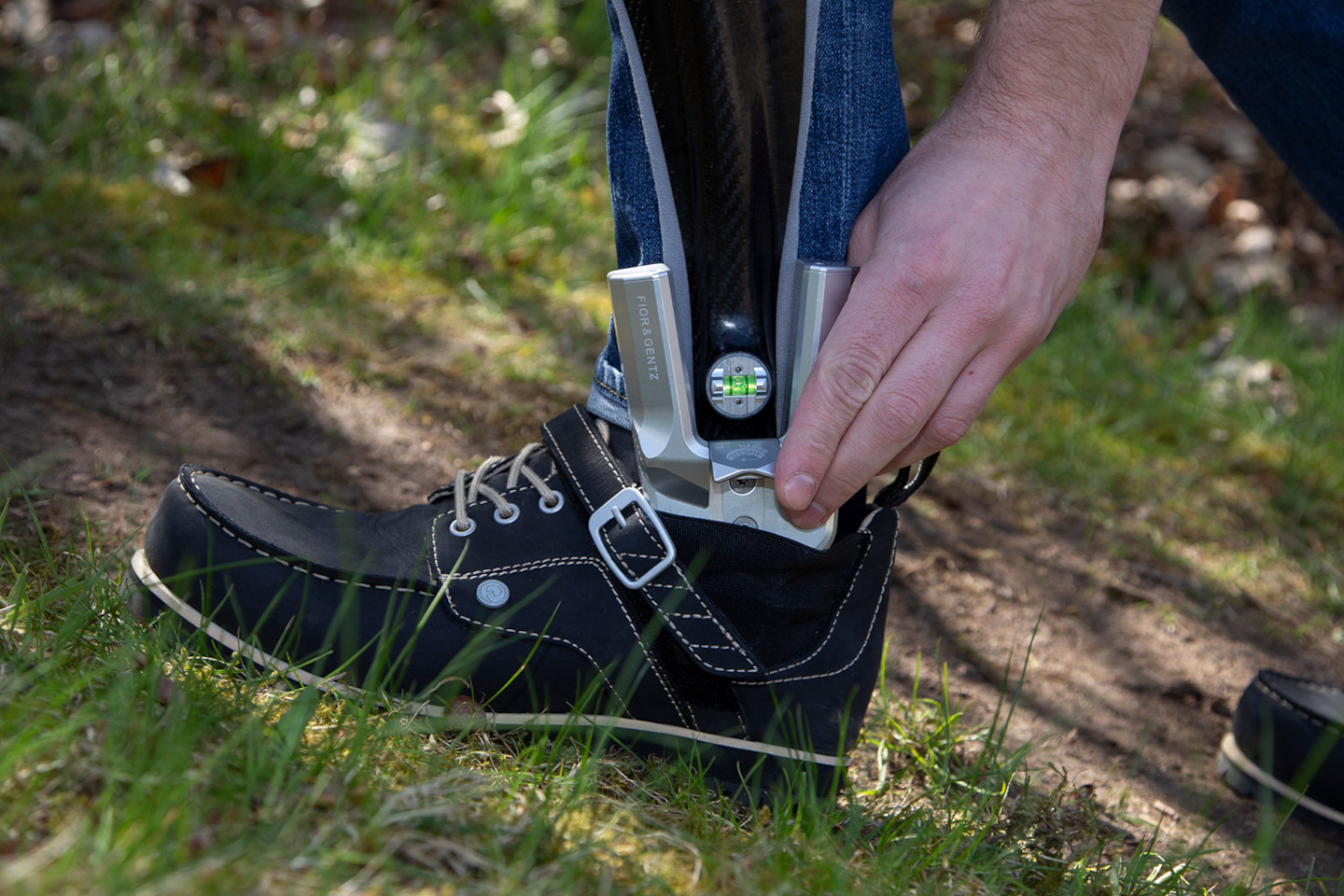
Orthotics Plus fits multiple KAFO designs to match individual needs.
Stance Control KAFO
This brace supports the knee when standing and allows controlled knee motion while walking.
Free‑Swinging KAFO
This option supports the leg without locking mechanisms when movement control is required across activities.
Microprocessor‑Assisted KAFO
Some KAFO braces involve electronic joint control that adjusts resistance during gait, aiding people who walk at varying speeds or on uneven surfaces. This is known as the C-brace.
Materials Used in KAFO Construction
KAFOs combine strong, lightweight materials with comfortable liners. Common materials include:
- Carbon fibre for strength with reduced weight
- Aluminium or stainless steel for joint support
- Medical thermoplastic shells shaped to the limb
- Cushioned liners for pressure relief and comfort
Material selection reflects the clinician’s evaluation of strength, function, and skin health.
Considerations and Contraindications
A KAFO may not be suitable when:
- Hip strength is insufficient to support safe walking with a KAFO brace
- Skin issues make brace wear uncomfortable
- Joint contractures prevent a secure fit
The orthotist evaluates these factors during the initial assessment.
Clinical Assessment and Fitting
The process for obtaining a KAFO includes:
Assessment
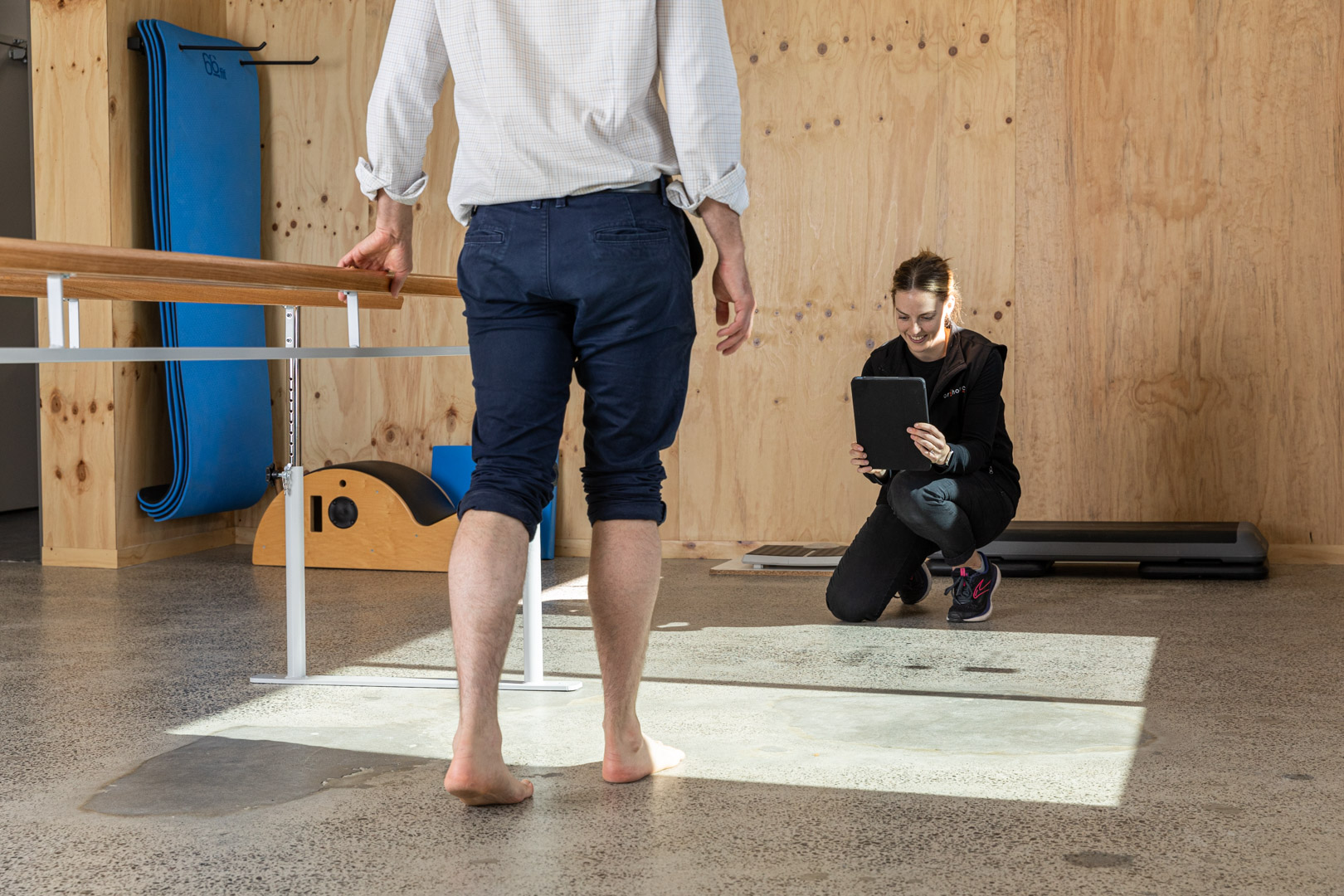
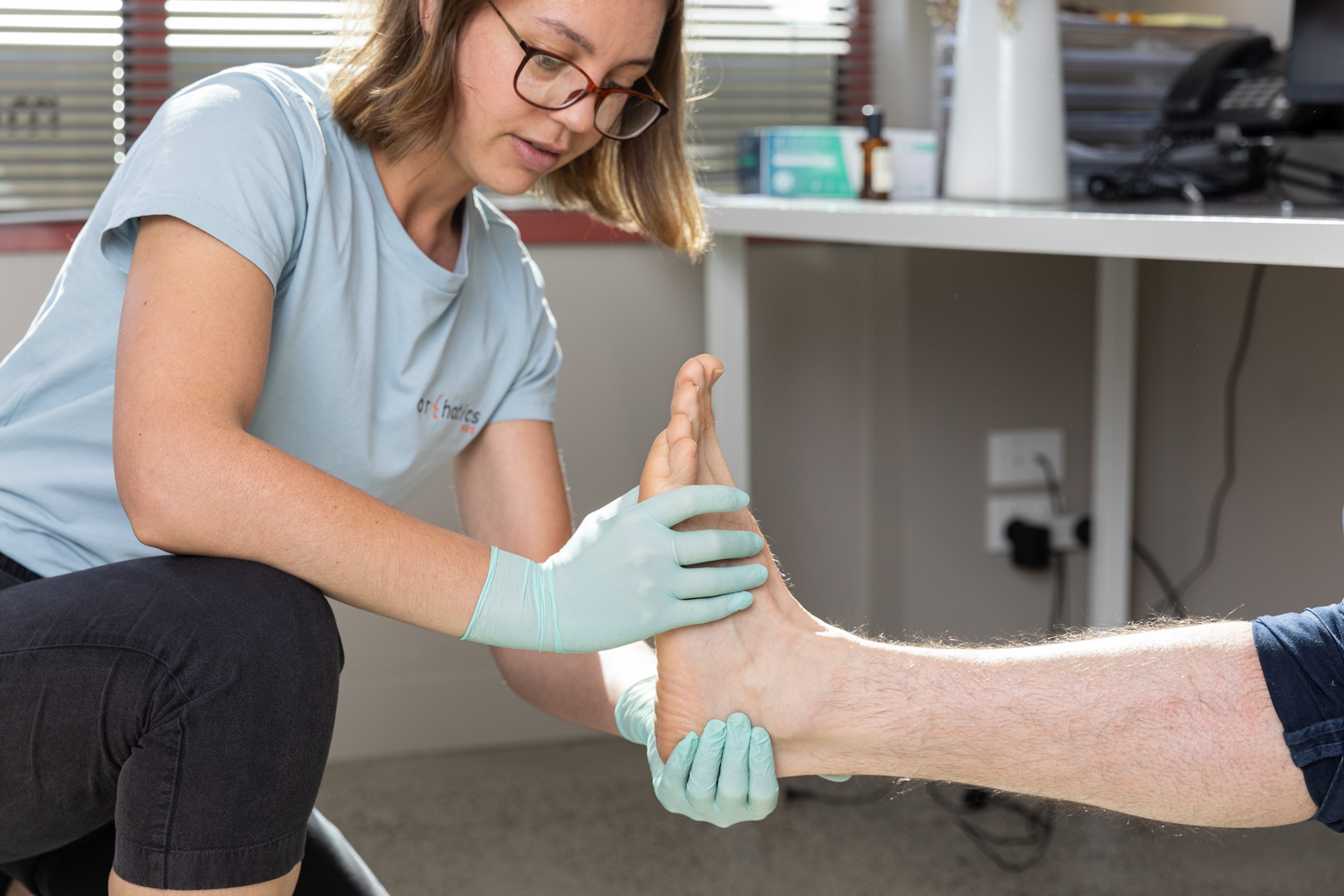
A qualified Orthotist conducts strength testing, gait observation, and joint range measurement. Referrals from allied health or medical professionals can support this process.
Measurement or Scanning
Precise leg measurements and casting ensure the device fits the anatomy and supports intended motion.
Fabrication
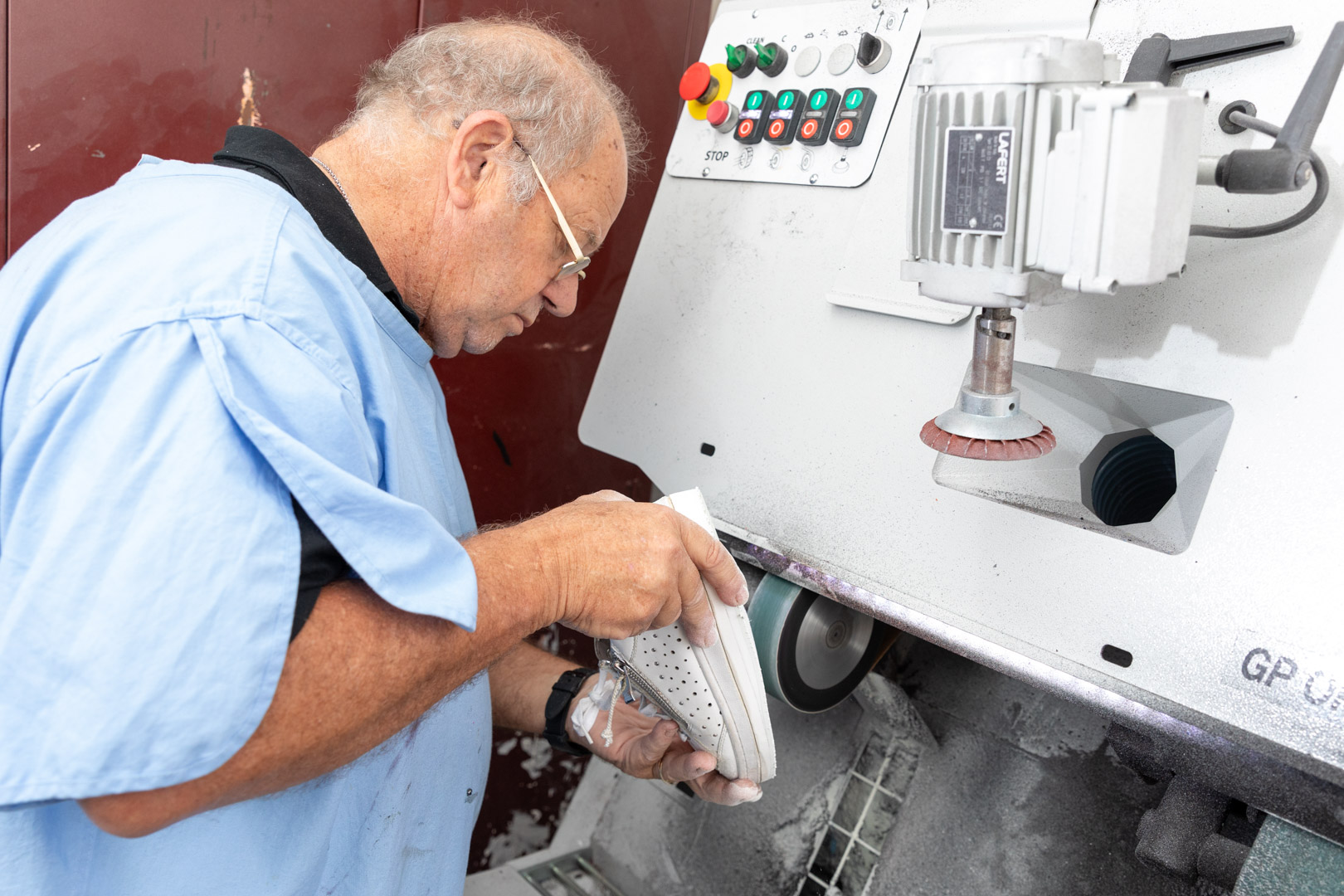
The KAFO brace is manufactured using the selected materials and components. Custom sections ensure alignment and function.
Fitting
Your clinician fits the device and adjusts alignment, pressure points, and joint elements to optimise comfort and performance.
Follow‑Up Care
Scheduled follow‑ups check fit and function as strength and activity demands change. Adjustments occur in response to functional performance.
What Is Included
- Detailed clinical assessment by experienced orthotists
- Custom fabrication of the prescribed KAFO brace
- On‑site fitting and alignment adjustments
- Follow‑up review appointments for ongoing support
Exclusions:
Enhanced components such as microprocessor joints or specialised accessories may involve additional costs.
Pricing and Funding Guidance
KAFO brace costs vary depending on design, materials, and components. Pricing is determined during assessment so patients have clear expectations before fabrication begins.
Funding options include:
- NDIS support, with Orthotics Plus registered since 2018
- Private health insurance extras cover
- SWEP where eligible
- DVA assistance for veterans
Our administrative team assists with documentation and claims support.
KAFO Referrals for Orthotics Plus
A medical referral from a GP is not necessary. We work with all paediatrics and adults, including NDIS participants and other insurance schemes.
The initial assessment takes approximately one hour. During the assessment, we will look at:
- Strength
- Range of motion
- Gait assessment
- Reviewing medical history
- Tests specific to the person
At the end of the session, we will suggest an appropriate prescription and discuss whether this will suit your needs and goals.
Please contact us or submit a referral to start the process.

Schedule Your Consultation
If you are considering a KAFO brace to support your knee and ankle function, contact us to arrange an assessment with an experienced clinician.
Call (03) 9077 6414 or visit the Orthotics Plus locations page to book.

Knee Ankle Foot Orthoses FAQ
KAFO braces support spinal cord injury, neuromuscular weakness, post‑polio syndrome, muscular dystrophy, and instability from neurological weakness.
Materials include carbon fibre, aluminium, stainless steel, and medical thermoplastics chosen for strength, weight, and comfort.
A KAFO stabilises the knee and ankle, reducing effort during walking and helping maintain functional movement.
Weak hip musculature, skin sensitivities, or severe joint contractures may limit effectiveness. This should be evaluated by an Orthotist.
Assessment and fitting appointments typically last up to two hours. Follow‑up reviews are scheduled based on individual needs.
Yes. Orthotics Plus is registered with NDIS and assists with claims and documentation during the care process.