C Brace Orthoses Introduction
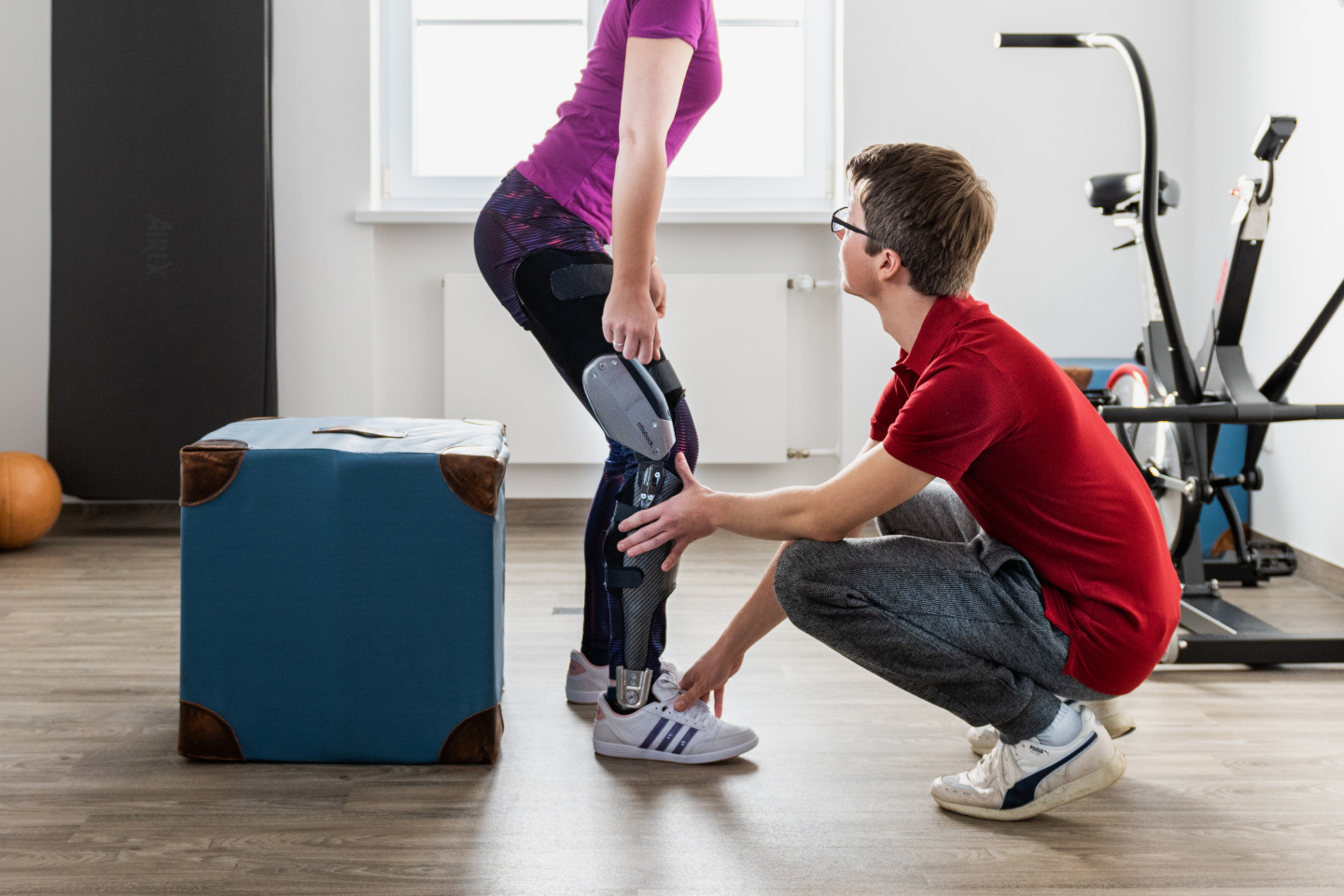
The C-Brace is a computer-controlled lower limb KAFO (Knee Ankle Foot Orthosis) that adapts its function to provide variable resistance to simulate the function of muscles in the leg, namely the quadriceps.
The brace is classed as a ‘swing and stance controlled KAFO’.
The C-brace may benefit those with weakness or paralysis of the lower limb to walk and mobilise.
Orthotics Plus provides equipment prescription services. We provide full assessments to advise if a C-Brace is appropriate for a patient.
If our assessments indicate it is suitable, we can provide a two-month equipment trial. From there we can manufacture, fit and maintain a definitive C-Brace unit. We would also need to advise on relevant funding prior to the 2 month trial.
Our services are available through our clinic locations in Melbourne.

Who is Appropriate for a C-Brace?
The C-Brace is typically appropriate to consider for patients with lower limb weakness or paralysis below the hip.
An ideal candidate for a C-brace would be a patient with intact gluteal function, intact hip flexor function but paralysis below this level.
There are many physical and neurological disabilities that can create weakness in the lower limb, examples include:
- Physical injury
- Paralysis
- Bilateral instability
- Stroke
- Spinal cord injuries
- Multiple Sclerosis
- Guillain-Barré
We can work with patients without gluteal and hip function as long as adequate trunk control is possible.
Contraindications
The primary contraindications for a C-Brace are:
- People experiencing hip contractures
- People experiencing moderate to severe knee contractures
- People with lower limb weakness that is mainly related to the ankle, as the C Brace is more supportive of the knee joint/midsection
There are exclusion criteria for the C Brace that we would discuss with the patient either prior to or during the time of the assessment.
We welcome reports/videos from a patient’s other healthcare professionals prior to assessment. In some cases, a trial may be considered.
How Does the C-Brace work?
Introduction
The C Brace is a computer-controlled lower limb Orthoses, the device uses sensors to detect the position of the limb to deliver variable resistance that typically improves joint control for the wearer.
The aim is for the C-Brace to allow the user’s lower limb to function like a normal lower limb during walking.
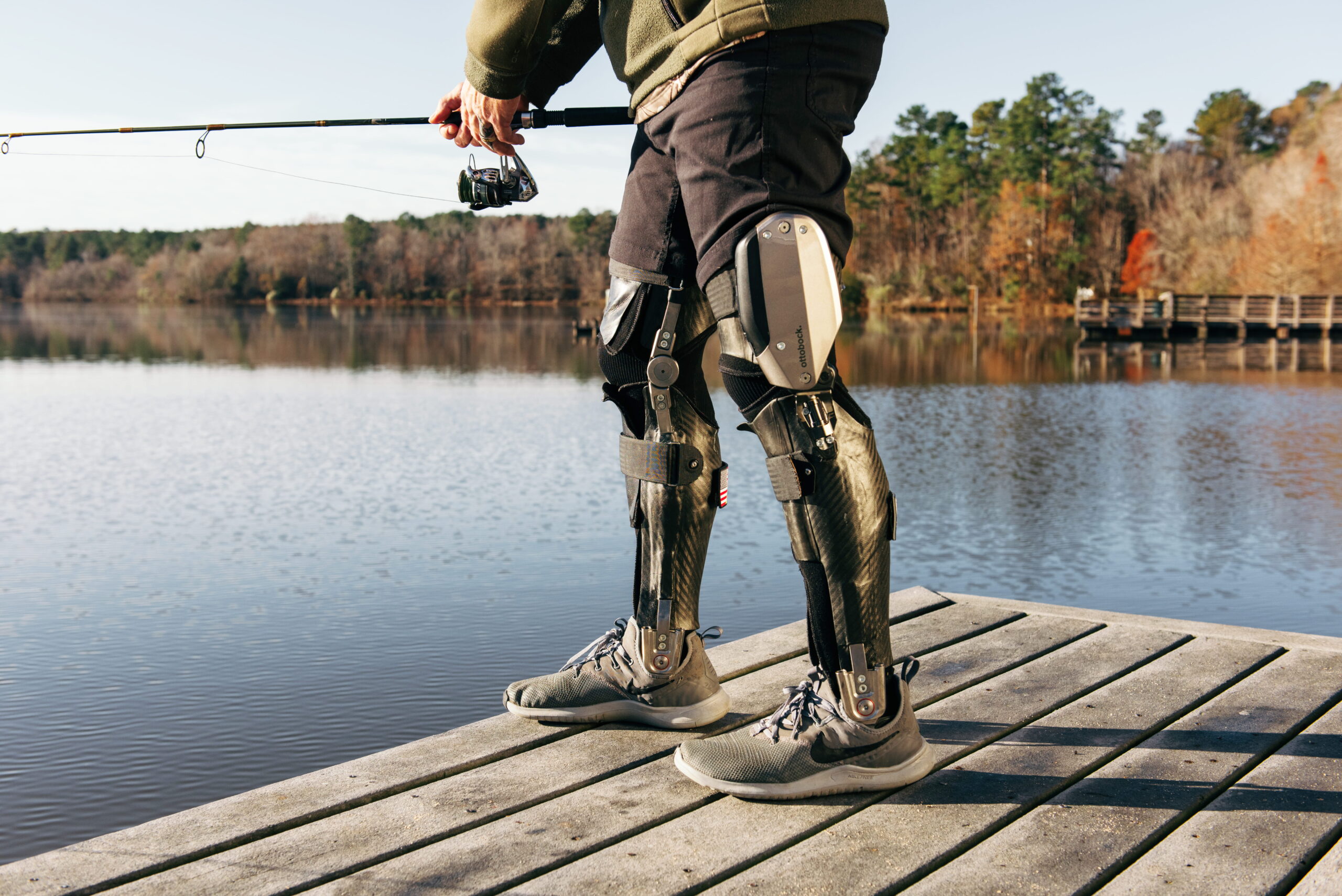
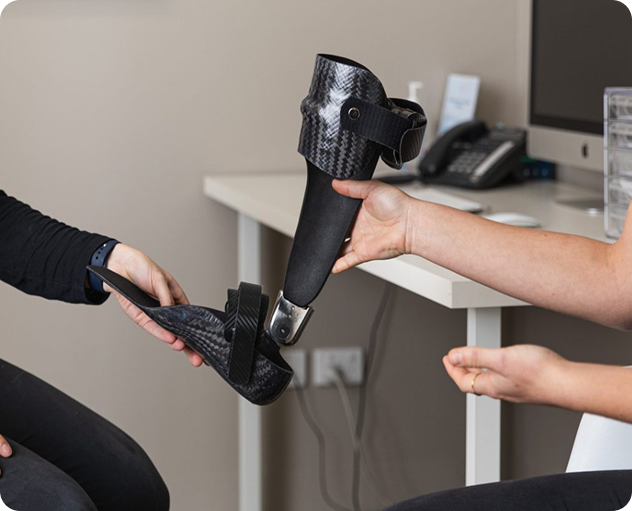
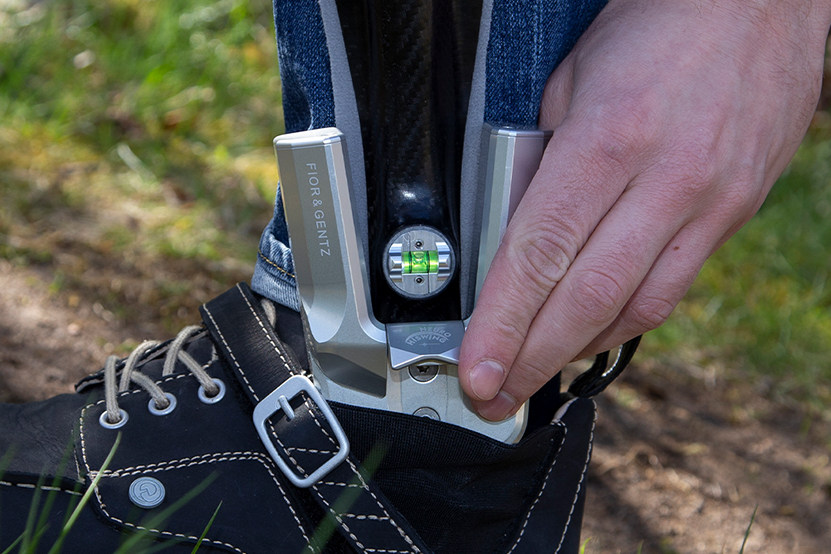
The device consists of a computerised knee joint, carbon fibre shells, hydraulics, strut braces, internal padding and velcro straps.
Technology
The sensors detect where the limb is in space and the computer will stiffen or free up the joint as needed.
For example, as the leg swings through during normal walking, the brace will allow the hinge to swing freely. As the user’s heel then contacts the ground on heel strike, the brace will yield slightly to dampen the impact, then rapidly stiffen to allow a supportive structure underneath the user.
The device will unlock to allow the wearer to swing their trailing leg through to complete their step.
The stiffness of the carbon-fibre shells and struts is the primary factor that delivers mechanical support to assist the wearer to support their weight through their joints.
The C-Brace can adjust to walking up and down inclines and can allow some users to descend stairs step over step.
Sensors
There are a number of different sensors that feed into the computer to:
- Detect where the limb is in space
- Detect the position of the brace
The software uses a constant algorithm to determine the appropriate action on how the knee joint should act in all situations (i.e. walking, crouching, cycling, falling, standing, etc).
This is largely determined by the flexion/extension angle of the knee.
C‑Brace Microprocessor Controlled Knee Ankle Foot Orthosis
The C‑Brace is a microprocessor‑controlled knee ankle foot orthosis designed for people with lower limb paralysis, weakness, or serious gait impairment. This advanced orthotic system uses sensors and a computer‑controlled joint to respond to movement in real time. The result is improved stability during standing, smoother transitions during walking, and support for uneven terrain, slopes, and steps.
At Orthotics Plus, qualified orthotists assess and fit C‑Brace devices to support independence and improve mobility for Australian patients.
Enhanced Technology and Movement Support
The C‑Brace provides dynamic support through sensors that monitor limb motion and adjust resistance instantly. When a user walks on uneven ground or climbs a slope, the microprocessor continuously adapts joint stiffness to match the motion. Users can stand with confidence, walk at variable speeds, and negotiate stairs or ramps with more confidence than with conventional braces.
Who May Benefit From a C‑Brace
This device can help people who have:
- Incomplete spinal cord injuries
- Post‑stroke weakness affecting knee control
- Peripheral nerve injuries with muscle weakness
- Multiple sclerosis with lower limb instability
- Cerebral palsy with gait dysfunction
Your orthotist will assess muscle strength, joint alignment, gait pattern, and functional goals to determine if a C‑Brace is suitable.

Clinician Expertise and Credentials
Orthotics Plus clinicians hold accredited degrees in Prosthetics and Orthotics and have extensive practical experience fitting complex orthotic systems. Many Orthotists work with referring surgeons, neurologists, and physiotherapists to integrate C‑Brace use with rehabilitation goals.
Orthotics Plus has served the Melbourne region since 2012 and has been a registered NDIS provider since 2018. This long‑standing clinical practice includes orthotic and podiatry services for people living with disability and complex needs.
What to Expect During Assessment and Fitting
Initial Evaluation
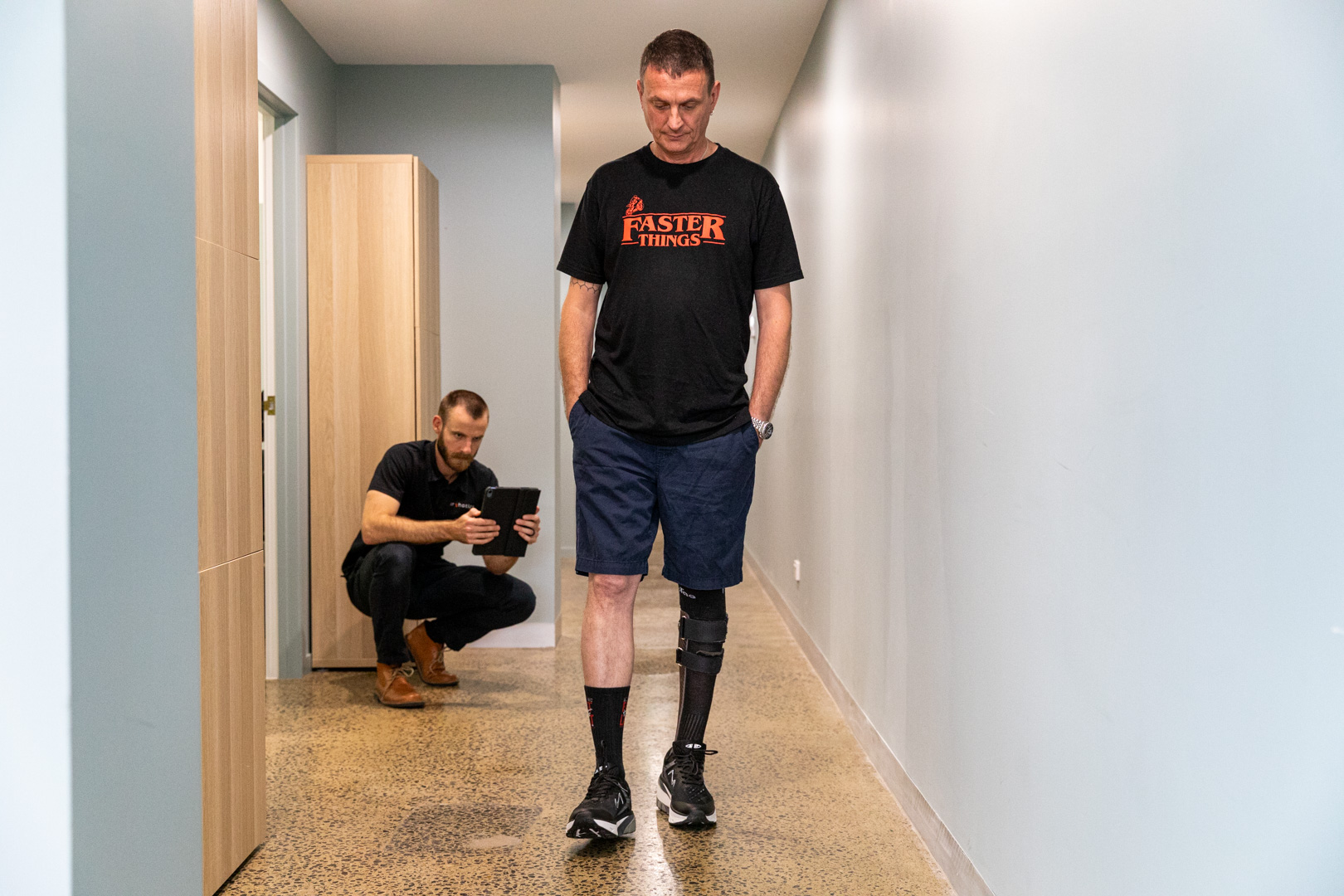
Your clinician conducts a full functional assessment, including gait analysis, strength testing, and range of motion evaluation.
Trial Period
Before committing to a device, eligible patients may participate in a trial to experience real‑world benefits. Trials help confirm suitability and comfort.
Custom Fitting
Measurements or scans of your leg guide precise fabrication. The C‑Brace components are configured for your anatomy and movement needs.
Adjustment and Training
During fitting sessions, clinicians fine‑tune settings for safe gait mechanics. You’ll receive instruction on donning, doffing, and daily care.
Follow‑Up
Follow‑up appointments ensure fit and function continue to match your progress.
Included Services
- Comprehensive clinical assessment by experienced orthotists
- Trial period where available
- Custom configuration of the C‑Brace device
- In‑clinic fitting and adjustments
- Follow‑up consultations to refine performance
Exclusions:
Major accessory components, custom footwear, or specialised upgrades may involve additional charges.
Pricing and Funding Options
The cost of a C‑Brace and associated clinical services is based on the device configuration and individual needs. Patients receive a personalised quote during assessment.
Funding pathways include:
- NDIS support for eligible participants
- TAC funding for road trauma cases
- WorkCover for workplace injuries
- Private health insurance extras cover
Orthotics Plus provides support with documentation and claims processes.

Patient Experience
The user experience depends on the patient.
Orthotics Plus has witnessed people with gait deviations / ataxia / disability benefit greatly from the C-Brace.
In some cases, the patient is changing from a standard KAFO into a C-Brace and achieves improved mobility and functional outcomes.
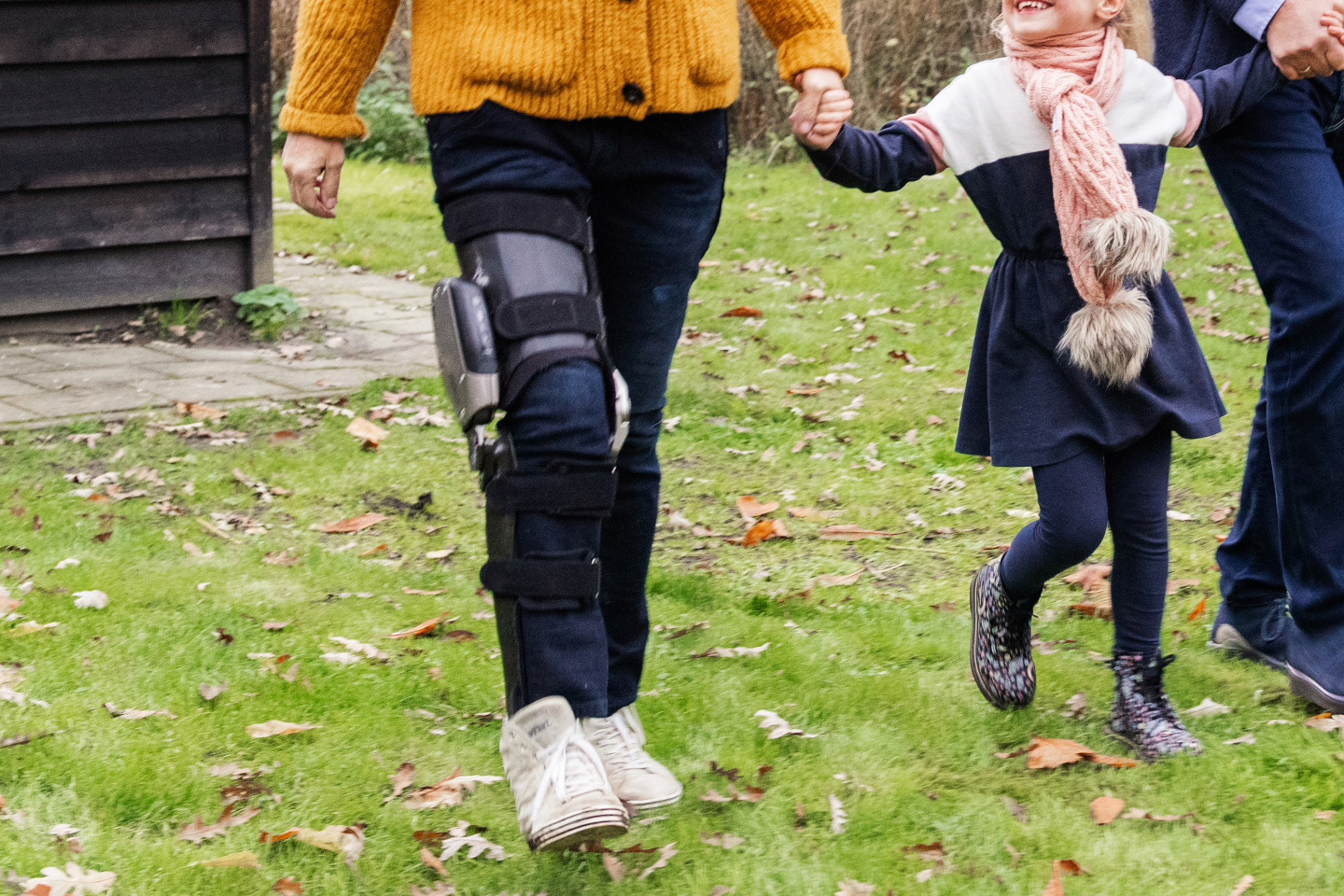
The ideal outcomes are that the patient can walk better with greater safety. The device is a long-term Orthoses that is used regularly by the patient.
The device is powered by a rechargeable battery. The C-Brace can be worn under or over clothing.
Benefits of the C Brace
- Symmetrical walking
- Faster walking
- Protecting the joints of the affected and unaffected limbs
- Improved load distribution
- Safety considerations
- Possibly lowering referred pain
- Possibly increase in confidence
- Walk with greater efficiency
- Possibly preferred over other equipment such as wheelchairs
- Sense of independence

Funding the C-Brace at Orthotics Plus
Please contact Orthotics Plus and we can provide funding information at any stage and organise an assessment.
If the C-Brace is deemed reasonable and necessary, it may be compatible with NDIS, TAC and WorkCover funding, to which we can submit appropriate reports.
We will safeguard our patients’ financial interests. There may be cheaper options to consider prior. The patient can trial the C-Brace during assessment or and pricing can be confirmed. Several consultations and a take-home trial may be required.
The patient is always provided choice and control.
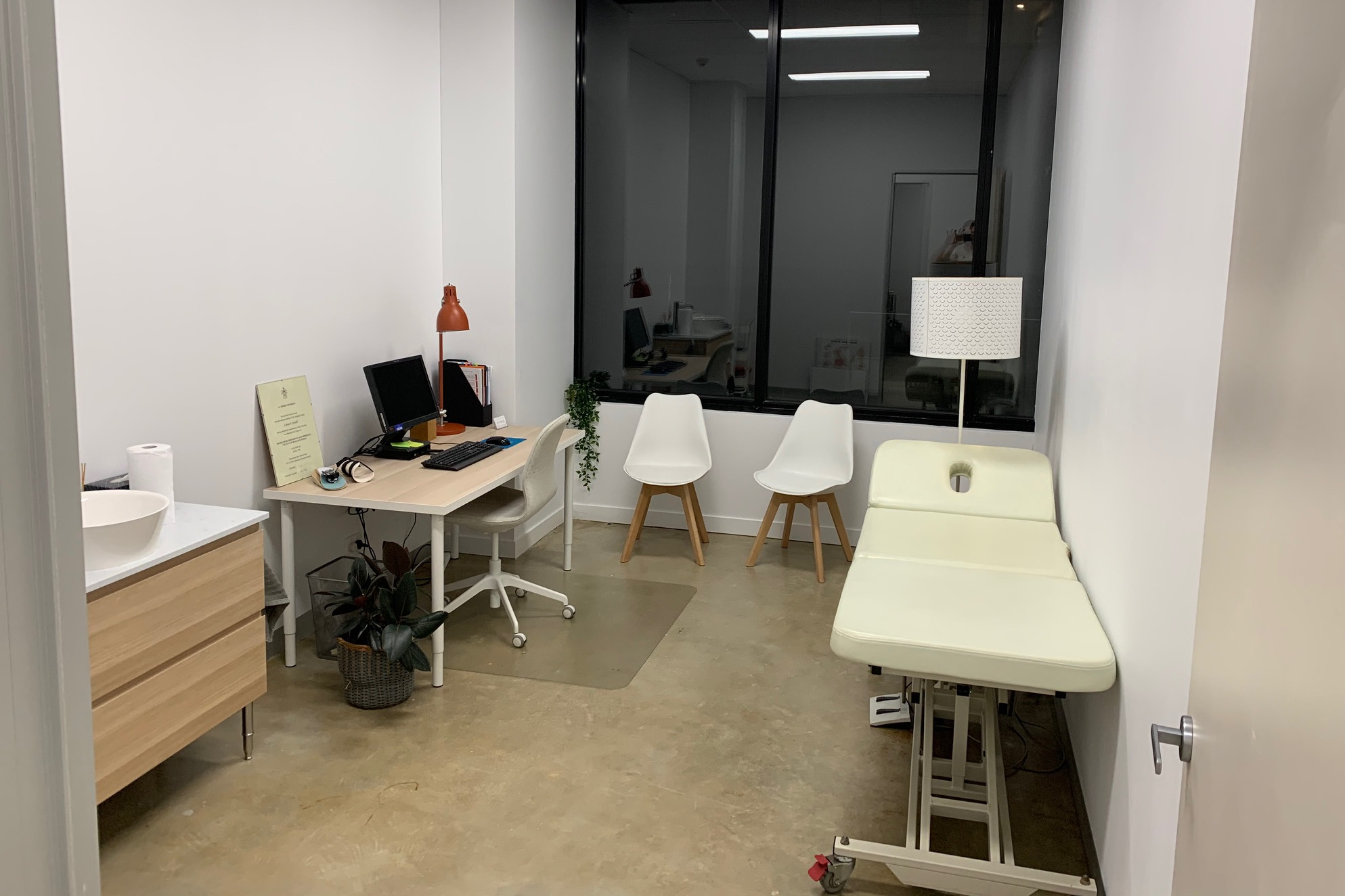
Contact Orthotics Plus Today
Orthotics Plus’s services are available in several clinic locations across Melbourne, Victoria.
- Our Orthotists are fully-qualified
- We believe in patient-directed care
- We have a wealth of experience with foot, ankle, knee and hip related conditions
- We welcome all enquiries
We would love to hear from you, please feel free to contact us with any questions, or place a referral directly.

Book a C-Brace Assessment
If you’re considering the C-Brace, speak with a clinician who understands the details. We assess, fit, and support patients through every stage. Consultations are available in Melbourne and via telehealth where needed.
Book An Appointment

C Brace FAQ
Spinal cord injury, post‑stroke weakness, nerve injury, multiple sclerosis, and cerebral palsy are common indications.
Assessment and initial fitting may take up to two hours. Follow‑up reviews help refine settings based on real‑world use.
Yes. Many users wear it under trousers or longer garments. Your clinician will advise shoe and clothing options for comfort.
During a trial, you experience how the C‑Brace functions in everyday tasks. The clinician can adjust parameters based on your feedback.
Appointments are scheduled based on your response to the device. Early reviews occur within weeks of fitting. Periodic check‑ins address changes in function or goals.
The device requires regular cleaning and periodic inspection of mechanical components. Your clinician provides care instructions.