Lower limb prosthetics for below knee, above knee and partial foot limb loss
Orthotics Plus provides prosthetic legs for people with below knee, above knee and partial foot limb loss. Our university-qualified, AOPA-registered clinicians assess your residual limb, mobility, daily activities and goals before recommending a prosthesis. We provide replacement prostheses, new sockets and ongoing reviews through five Melbourne clinics, and can talk you through your options for a first prosthetic leg. You can book directly or attend through a referral.
For an overview of Orthotics Plus services, visit our prosthetics page.

What is a prosthetic leg?
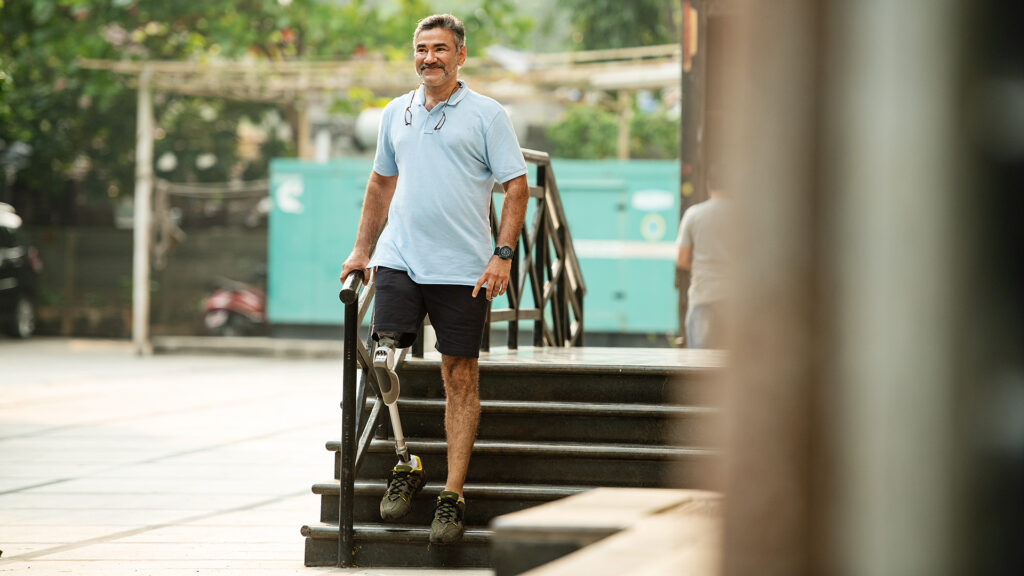
A prosthetic leg is an artificial limb that replaces a missing part of the lower limb. A person may need a lower limb prosthesis following an amputation or because of a limb difference present from birth.
The design depends on the level of limb loss, the condition of the residual limb, mobility, balance and the activities the person wants to complete.
A lower limb prosthesis can replace part of the foot, the lower leg below the knee, or the leg above the knee. The prosthetic socket can be suspended from the residual limb in several different ways, and the prosthesis includes components chosen to suit your mobility level, goals and daily activities.
A prosthetist assesses these factors before recommending a design. The fitting process then focuses on socket comfort, alignment and how the prosthetic leg functions during movement.
For an overview of Orthotics Plus services, visit our prosthetics page.
Types of prosthetic legs
The level of limb loss determines the type of prosthesis a person requires.
Below knee prosthetic legs
A below knee prosthesis replaces the lower leg while the person retains their knee joint. Clinicians also refer to this type as a transtibial prosthesis.
The natural knee joint helps a person control the limb during standing and walking. The prosthetist still needs to consider socket fit, suspension, alignment and the prosthetic foot when prescribing the device.
Our below knee prosthetics page explains this service in greater detail.
Above knee prosthetic legs
An above knee prosthesis replaces the lower leg and knee after an amputation through the thigh. Clinicians may refer to this as a transfemoral prosthesis.
These prostheses include an artificial knee as part of the system. The prosthetist considers stability, control, mobility goals and the person’s physical presentation when recommending suitable components.
Read about above knee prosthetics for information specific to this level of limb loss.
Partial foot prostheses
A partial foot prosthesis supports someone who has lost part of the foot while retaining the ankle and part of the natural foot.
The design depends on the level of amputation, remaining foot structure, skin, footwear and walking needs. Your prosthetist will assess these factors before discussing an appropriate prosthetic option.
Options can include a custom silicone partial foot prosthesis, which is made to fit closely over the remaining part of the foot.
What makes up a prosthetic leg?
A prosthetic leg can include several components. The exact combination depends on the level of limb loss and the person’s needs.
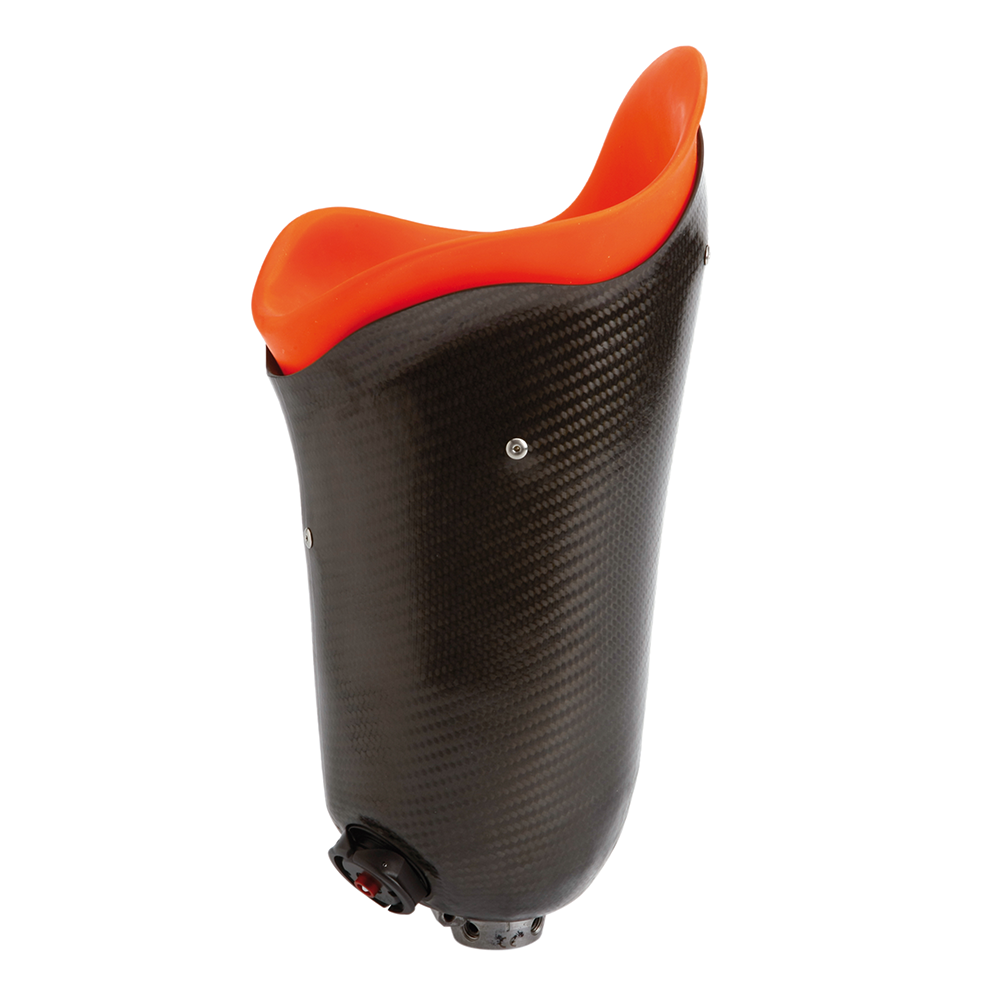
The socket connects the residual limb to the prosthesis. Its fit affects comfort, control and how pressure moves across the residual limb.
A suspension system helps keep the prosthesis secure during movement.
Below knee prostheses include a prosthetic foot and connecting components. Above knee prostheses also require a prosthetic knee.
Your prosthetist selects the components as part of the prescription process. They consider factors such as mobility, stability, daily activities, work and rehabilitation goals.
Orthotics Plus does not use one prosthetic setup for all patients. The clinical assessment determines which type of prosthesis and components suit the individual.
What to expect when getting a prosthetic leg
Getting a prosthetic leg involves several stages. Your prosthetist will explain each stage and work with your rehabilitation team when appropriate.
1. Prosthetic assessment
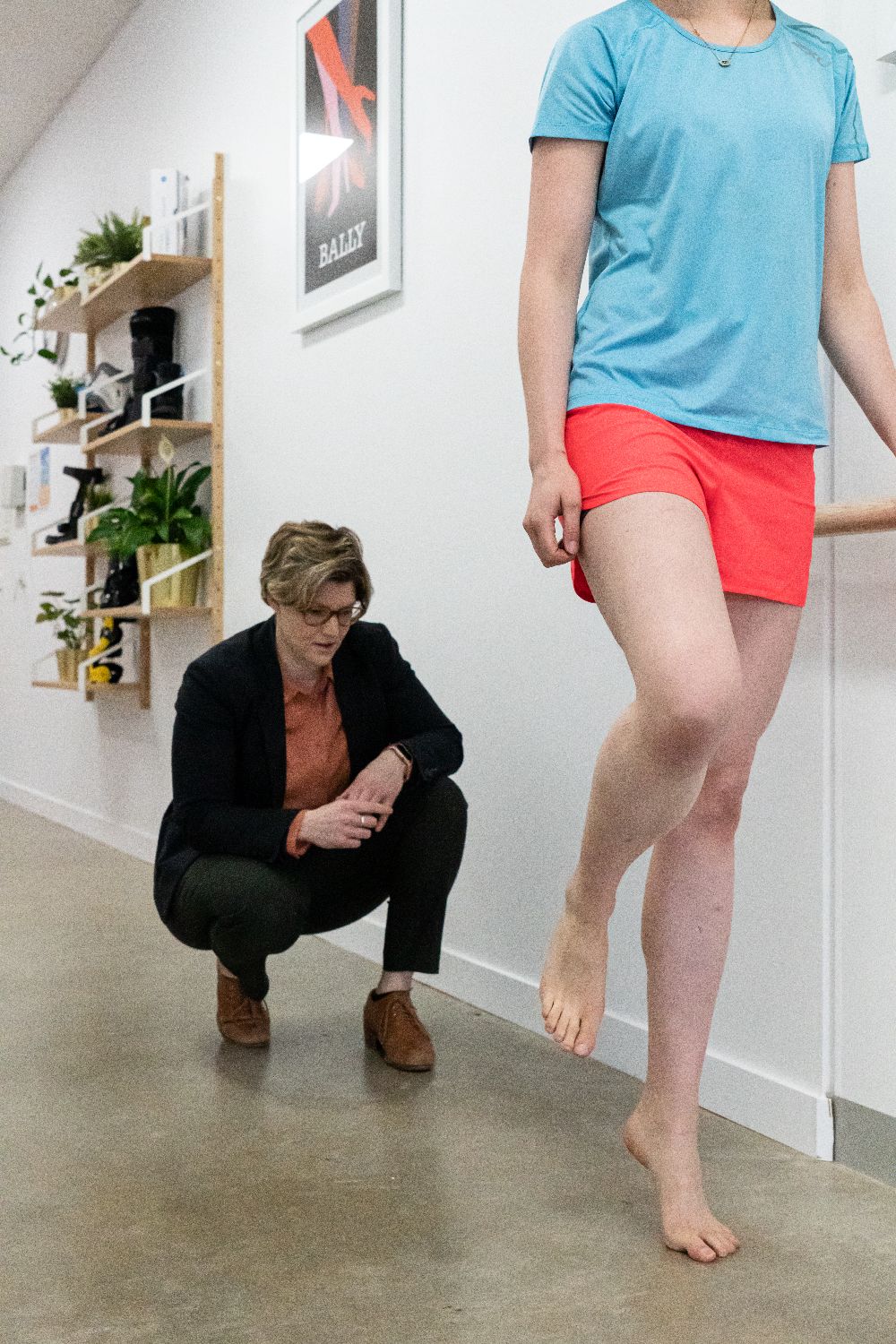
Your prosthetist examines the residual limb, skin, range of movement, strength and balance. They also ask about your work, home activities, mobility and goals.
The assessment may also include discussion of your current rehabilitation and any issues that could affect prosthetic use.
2. Prosthetic prescription and funding
Your prosthetist recommends a prosthetic design based on the assessment.
Orthotics Plus can prepare the clinical reports, quotes and supporting documents that a funding body may require.
3. Cast or scan
Your prosthetist takes measurements and a cast or scan of the residual limb. This information guides the socket design.
4. Check socket
A check socket gives the prosthetist an opportunity to assess fit, pressure and comfort before progressing to the final socket. You may take the check socket home for one to two weeks to test the fit before the final socket is made.
Your residual limb can change over time, particularly during the earlier stages after amputation. The check socket stage allows the clinician to respond to these changes.
5. Prosthetic fitting and alignment
Your prosthetist fits the prosthetic leg and reviews how it functions during standing and walking.
They can adjust the alignment and socket where required. The aim is to achieve a secure fit that supports safe use of the prosthesis.
6. Rehabilitation and ongoing reviews
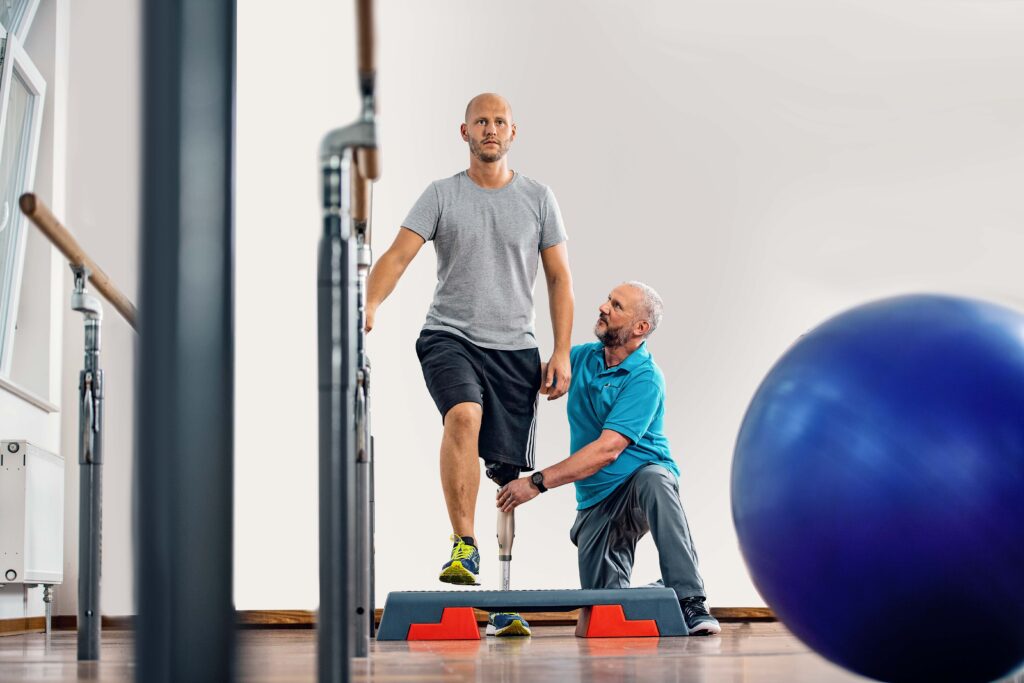
Learning to use a prosthetic leg takes practice. Your prosthetist may work alongside your physiotherapist, rehabilitation specialist or other members of your healthcare team.
Follow-up appointments allow the prosthetist to check socket fit, skin, alignment and component function.
The timeframe differs between patients. Healing, changes to the residual limb, funding approval and fitting requirements can all affect how long the process takes.
Your first prosthetic leg
After an amputation, most people receive their first prosthetic leg as part of their hospital rehabilitation program. In Victoria, this first prosthesis is often funded through the Victorian Artificial Limb Program (VALP), and NDIS participants usually complete this rehabilitation stage before NDIS funding applies to their prosthesis. TAC and WorkSafe clients may follow a different pathway.
If you are not sure which pathway applies to you, contact Orthotics Plus. Your prosthetist can explain the options for your situation.
A first prosthesis may need several reviews as your residual limb changes and you become more confident using it. Rehabilitation can also help you develop balance, strength and walking skills.
Replacement sockets and prosthetic reviews
You do not need to be receiving your first prosthesis to see Orthotics Plus.
An existing prosthetic leg may need review when the socket no longer feels comfortable, the residual limb changes shape or your mobility needs change.
You may also need a new socket while keeping some existing prosthetic components.
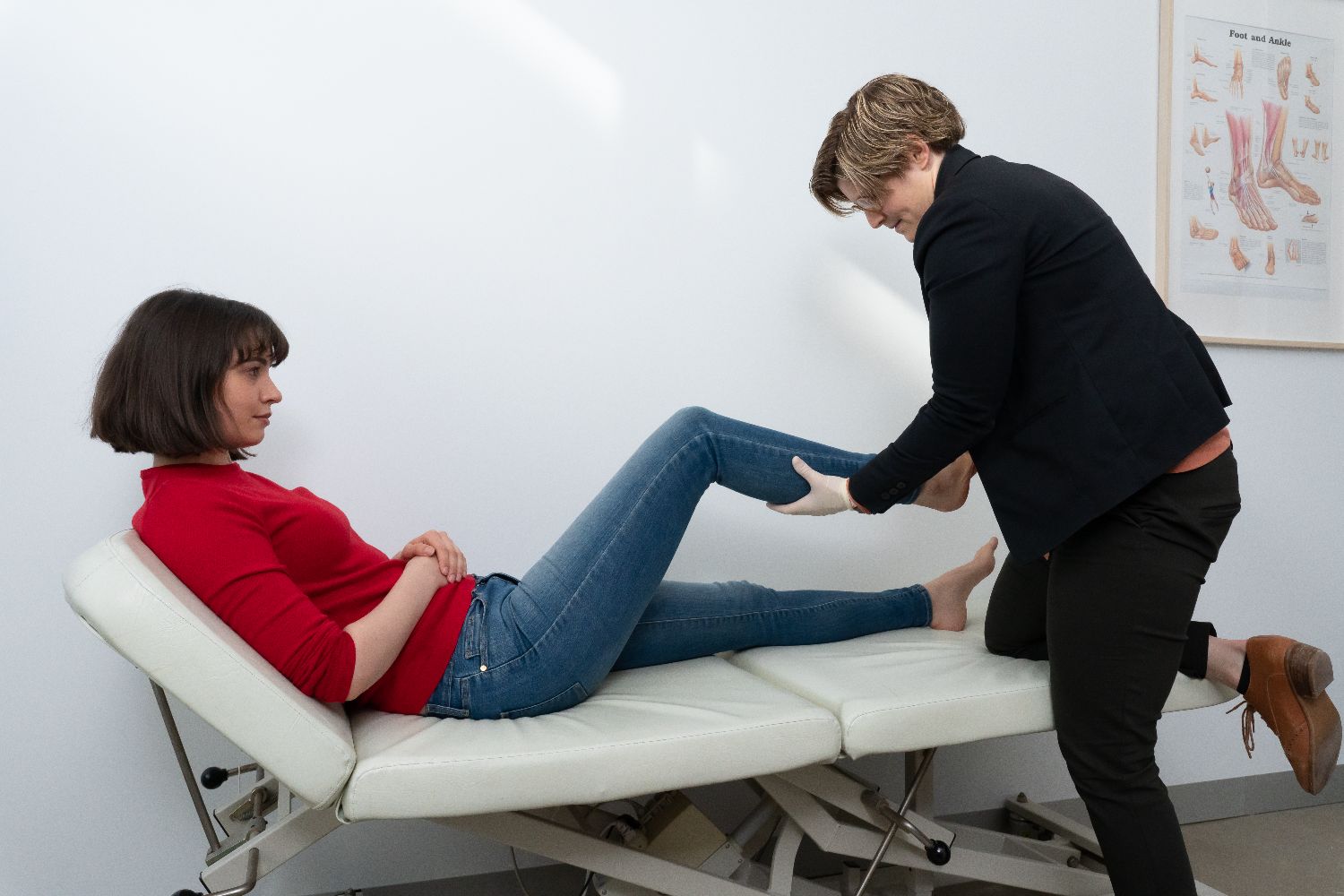
Your prosthetist can assess the current device, residual limb and functional needs before recommending changes. Bring any available information about your current prosthesis to the appointment.
You can also book with Orthotics Plus if you want to change prosthetists. The team can communicate with your previous provider or rehabilitation team when this helps maintain continuity of care.
Funding for prosthetic legs
The NDIS, TAC and WorkSafe Victoria fund prosthetic care for many eligible patients.
The NDIS may fund prosthetic limbs for eligible people with permanent disability. TAC may fund prosthetic services following an eligible transport accident. WorkSafe Victoria may support people who require a prosthesis following an eligible workplace injury.
Private payment is also possible.
Orthotics Plus can prepare quotes and supporting reports for funding applications. Your prosthetist can discuss the documentation you may need after completing the clinical assessment.
Orthotics Plus does not publish fixed prosthetic leg prices because costs depend on the individual prescription, socket requirements and prosthetic components.
People with limb loss and their families can also access Limbs 4 Life for independent information, peer support and resources about living with limb loss and using a prosthesis.

Working with your rehabilitation team
Prosthetic care often involves several healthcare professionals.
Your prosthetist can work with your physiotherapist, rehabilitation physician, surgeon and other clinicians involved in your care.
The prosthetist focuses on the prosthesis itself, including the socket, components, alignment, fit and ongoing adjustments. Physiotherapy may focus on areas such as strength, balance, transfers and learning to walk with the prosthesis.
Communication between clinicians can help keep prosthetic and rehabilitation goals aligned.
Prosthetic leg appointments across Melbourne
Orthotics Plus has five Melbourne clinics in Malvern, Richmond, Heidelberg, Forest Hill and Pascoe Vale.
Contact our Melbourne clinics to arrange a prosthetic consultation at a suitable location.
Orthotics Plus is a registered NDIS provider.

Frequently Asked Questions
Orthotics Plus provides lower limb prosthetic care for below knee, above knee and partial foot limb loss. The prosthetist assesses the level of amputation, residual limb, mobility and daily activities before recommending a prosthetic design.
A below knee prosthesis replaces the lower leg while retaining the natural knee joint. An above knee prosthesis also replaces the knee and therefore requires an artificial knee component. Each type requires a different socket, component setup and fitting process.
You can contact Orthotics Plus directly to arrange an appointment. A doctor, hospital or rehabilitation team can also provide a referral. Bring relevant medical and prosthetic information to the assessment when available.
There is no fixed timeframe. Healing, changes to the residual limb, funding approval, socket fitting and adjustments can affect the process. Your prosthetist can explain the expected stages after completing the initial assessment.
Arrange a prosthetic review rather than continuing to use a socket that causes ongoing discomfort or skin problems. Your prosthetist can assess the residual limb and socket to determine whether an adjustment, new socket or another change is appropriate.
Yes. Orthotics Plus can assess your existing prosthesis and current needs. Bring any information you have about the device. The team can contact your previous provider or rehabilitation clinicians when this supports continuity of care.
The NDIS may fund prosthetic legs for eligible participants when the prosthesis relates to their permanent disability and meets funding requirements. Orthotics Plus can provide quotes and clinical documentation to support an application when required.
Review frequency depends on socket fit, changes to the residual limb, component condition, mobility and individual circumstances. Contact your prosthetist earlier if you develop discomfort, skin problems or a noticeable change in how the prosthesis fits or functions.
Book a prosthetic leg consultation
If you need your first prosthetic leg, a replacement socket or a review of your current prosthesis, contact Orthotics Plus to arrange an assessment.