Transtibial prostheses for below knee limb loss
A below knee prosthesis replaces the part of the leg below the knee while retaining the natural knee joint. Orthotics Plus provides below knee prostheses for people who need their first prosthetic leg, a replacement socket or ongoing prosthetic care.
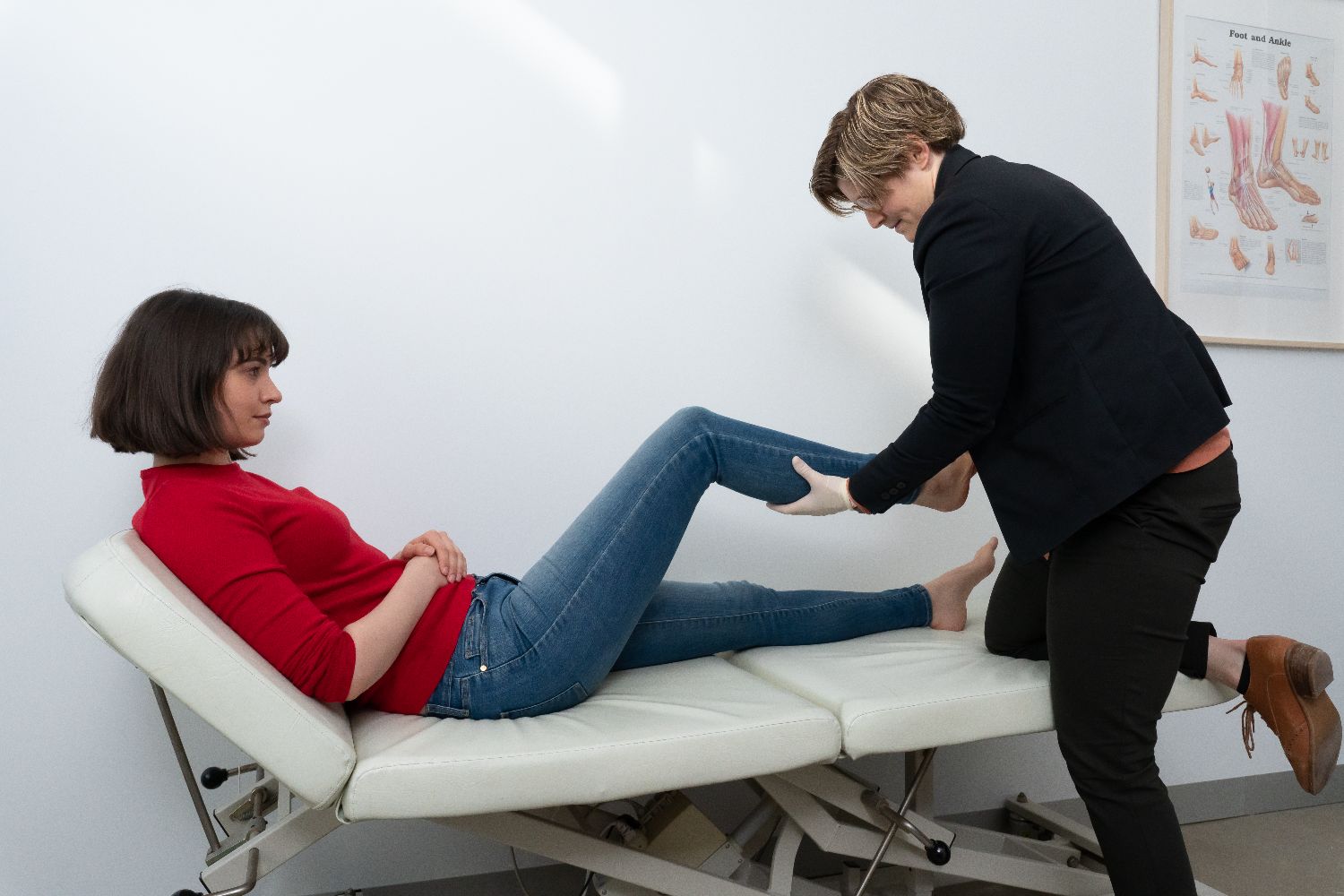
Your clinician assesses the residual limb, skin, strength, mobility and daily activities before recommending a prosthetic design. You can book directly with Orthotics Plus or attend through a referral from your doctor, hospital or rehabilitation team.
For an overview of Orthotics Plus services, visit our prosthetics page.
What is a below knee prosthesis?
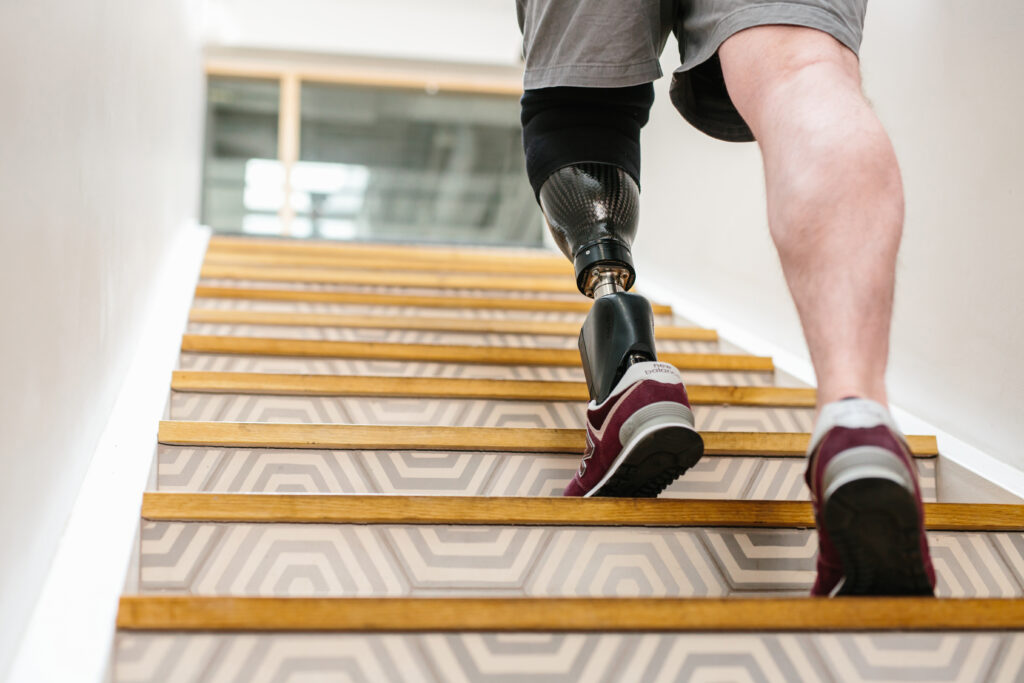
A below knee prosthesis replaces the part of the lower limb that is missing below the knee. Clinicians also call it a transtibial prosthesis.
The person keeps their natural knee joint, which plays an important role in controlling the leg during standing, walking and other movements. The prosthesis usually includes a socket that fits around the residual limb, a suspension system that helps secure the prosthesis, connecting components and a prosthetic foot.
The prosthetist selects the design after assessing the person rather than prescribing the same setup for everyone.
Below knee prostheses form part of Orthotics Plus’ broader prosthetic leg services.

Parts of a below knee prosthesis
Several components work together in a transtibial prosthesis.
The socket
The socket connects the residual limb to the prosthesis. Its shape and fit affect comfort, pressure distribution and control.
The residual limb can change in volume over time. Your prosthetist checks the socket during follow-up appointments and assesses any change in comfort or fit.
Connecting components
Components connect the socket to the prosthetic foot and allow the prosthetist to adjust alignment and the height of the prosthesis.
Alignment affects how the prosthesis responds during standing and walking, so the clinician checks it carefully during fitting and review appointments.
Prosthetic foot
The prosthetic foot forms the lower section of the device. Different designs suit different mobility requirements and daily activities.
Your prosthetist considers your physical presentation, mobility, work and other activities before recommending components.
Liner and suspension
A liner can sit between the skin and socket. The suspension system helps keep the prosthesis securely connected to the residual limb during movement.
Pin lock suspension uses a silicone or gel liner with a small pin at the end. The pin clicks into a lock at the base of the socket, and a release button lets you take the prosthesis off. Many people find this system simple to put on and take off.
Suction suspension holds the prosthesis on by pushing air out of the socket through a one-way valve as you step in. A seal-in liner, which has one or more soft rings that seal against the inside of the socket, is a common way to create the seal. Another option is a suspension sleeve that rolls up over the top of the socket and onto the thigh. Suction keeps the socket in close contact with the limb, which can reduce movement inside the socket.
Different suspension options suit different residual limbs and functional needs. Your prosthetist will discuss the appropriate setup during the prescription process.
Waterproof prosthetic legs
Some people also use a separate waterproof prosthesis for showering, swimming or time at the beach. Your prosthetist can discuss whether a waterproof option suits your needs, activities and funding.
Who may need a below knee prosthetic leg?
People may require a below knee prosthesis after a transtibial amputation or because of a limb difference present from birth.
The cause of limb loss does not determine the prosthetic design on its own. Your clinician also needs to assess the residual limb, skin, strength, balance, joint movement and rehabilitation goals.
Some patients come to Orthotics Plus for their first prosthesis. Others already use a prosthetic leg and need a new socket, component review or a change of prosthetist.
If you are unsure which lower limb service applies to you, the main prosthetics page provides an overview of Orthotics Plus’ current prosthetic services.
Getting your first below knee prosthesis
Most people receive their first below knee prosthesis during hospital rehabilitation, often funded through the Victorian Artificial Limb Program (VALP). NDIS participants usually complete this stage before NDIS funding applies to their prosthesis, while TAC and WorkSafe clients may follow a different pathway. Contact Orthotics Plus to talk through the options for your situation.
The residual limb often changes during recovery after an amputation. Swelling can reduce and the shape of the limb can change as healing progresses.
Your prosthetist reviews the limb before moving ahead with prosthetic fitting. The assessment considers skin health, healing, range of movement, strength and your current rehabilitation.
The clinician also asks about the activities you want to return to. These may include moving around the home, working, community mobility, recreation or other daily tasks.
Your rehabilitation team may remain involved throughout the process. Orthotics Plus can communicate with your physiotherapist, rehabilitation physician, surgeon or other clinicians when this supports your care.

The below knee prosthetic fitting process
A below knee prosthetic fitting usually involves several stages.
1. Initial assessment
Your prosthetist examines the residual limb, skin, strength, joint movement and balance.
You will also discuss your mobility, work, home environment, rehabilitation and the activities that matter to you.
2. Prosthetic prescription and funding
The prosthetist recommends a prosthetic design based on the assessment.
Orthotics Plus can prepare quotes and clinical reports for the relevant funding body when required.
3. Cast or scan
Your prosthetist records the shape and measurements of the residual limb through casting or scanning.
This information helps guide the socket design.
4. Check socket fitting
The prosthetist uses a check socket to see how the socket fits before progressing to the final version. You may take the check socket home for one to two weeks to test the fit before the final socket is made.
The appointment gives the clinician an opportunity to review pressure, comfort and control. The prosthetist can then make changes where necessary.
5. Final prosthetic fitting
Your prosthetist fits the completed below knee prosthesis and checks how it performs during standing and walking.
The clinician reviews socket comfort, suspension and alignment. They can make further adjustments based on how the prosthesis responds during movement.
6. Rehabilitation and review
Using a new prosthetic leg requires practice.
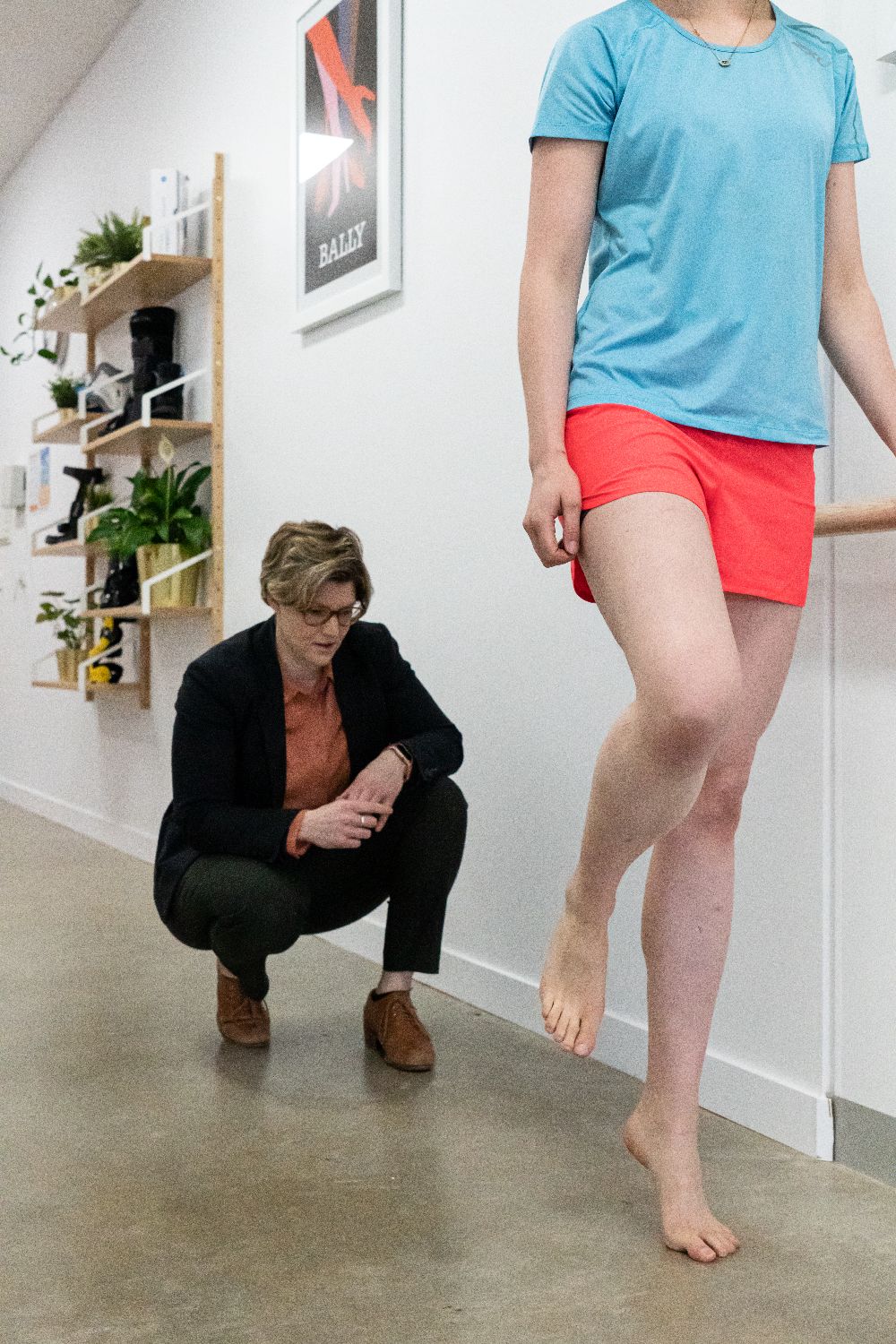
Your physiotherapist may work on strength, balance and walking skills while your prosthetist manages the socket, components and alignment.
Follow-up appointments allow the prosthetist to review fit and respond to changes in the residual limb.
The overall timeframe varies. Healing, limb changes, funding approval and fitting requirements can all affect the process.
Socket fit and comfort
Socket fit plays a major role in the day-to-day use of a below knee prosthesis.
The residual limb carries forces through the socket while the person uses the prosthetic leg. The prosthetist therefore needs to manage pressure carefully and give sensitive areas appropriate relief.
Your limb can also change after you receive a prosthesis. Changes in body weight, swelling, muscle bulk or residual limb volume can affect the way the socket feels.
Contact your prosthetist if you notice persistent discomfort, skin irritation, rubbing or a significant change in socket fit.
The solution may involve an adjustment, changes to the way the socket fits or a replacement socket. Your clinician needs to assess the cause before recommending changes.
Replacement sockets for below knee prostheses
You may need a new socket even when other parts of your prosthetic leg remain suitable.
Residual limbs can change over time. A socket that once fitted correctly may become loose, uncomfortable or difficult to control.
Orthotics Plus can assess your current prosthesis and determine whether socket changes could address the issue.
Your prosthetist will review the residual limb and existing components before recommending a new socket or other changes. This approach can help determine which parts of the current prosthesis still meet your needs.
Changing prosthetists
You can book with Orthotics Plus if you already have a below knee prosthesis and want to see a different prosthetist.
People change providers for practical or clinical reasons. Travel may become difficult. Appointment availability may change. Socket comfort may need another assessment. You may also want a different clinician to review your existing prosthesis.
Bring any information you have about the device to your appointment. Orthotics Plus can communicate with your previous prosthetic provider or rehabilitation team when required.

Funding for below knee prostheses
The NDIS, TAC and WorkSafe Victoria support prosthetic care for many eligible patients.
The NDIS may fund a below knee prosthesis when the device relates to an eligible participant’s permanent disability and meets the scheme’s requirements.
TAC may fund prosthetic treatment following an eligible transport accident. WorkSafe Victoria may support prosthetic care following an eligible workplace injury.
Private payment is also possible.
Orthotics Plus can prepare quotes and supporting clinical reports after completing an assessment. The clinic does not publish a standard price for a below knee prosthesis because the socket, components and clinical requirements differ between patients.
For independent information and peer support after lower limb loss, Limbs 4 Life provides resources for amputees, people with limb difference and their families across Australia.
Ongoing prosthetic reviews
A prosthetic leg needs ongoing review because your body and functional requirements can change.
Your prosthetist may review
- Socket fit and comfort
- Skin condition
- Suspension
- Prosthetic alignment
- Component condition
- Changes in residual limb volume
- Changes in mobility or daily activities
Contact Orthotics Plus sooner if you develop skin problems, persistent discomfort, instability or a noticeable change in how the prosthesis fits.
Your prosthetist can assess the cause and recommend an appropriate adjustment or replacement.
Below knee prosthetic appointments in Melbourne
Orthotics Plus provides prosthetic appointments through five Melbourne clinics.
You can contact the team about appointments in Malvern, Richmond, Heidelberg, Forest Hill and Pascoe Vale.
Visit our Melbourne clinics or call the team to arrange a suitable prosthetic appointment.
Orthotics Plus is a registered NDIS provider.

Frequently Asked Questions
A below knee prosthesis replaces the missing part of the leg below the knee. Clinicians also call it a transtibial prosthesis. The person retains their natural knee joint. The prosthesis usually includes a socket, suspension system, connecting components and a prosthetic foot.
A below knee prosthesis replaces the leg below the knee while retaining the natural knee joint. An above knee prosthesis also replaces the knee and therefore requires a prosthetic knee component. The socket design, components and rehabilitation requirements differ between the two levels.
There is no fixed timeframe. Healing, residual limb changes, funding approval, check socket fittings and required adjustments can all affect the process. Your prosthetist can explain the likely stages after assessing your residual limb and clinical needs.
A check socket gives the prosthetist an opportunity to assess fit, comfort and pressure before completing the final socket. The clinician can make changes during this stage when the fit requires adjustment.
A significant change in comfort, persistent skin irritation, increased movement inside the socket or reduced control can indicate that the fit needs review. The prosthetist will assess the residual limb and current socket before deciding if adjustment or replacement makes sense.
Yes. You can book an assessment with Orthotics Plus and bring information about your current device. Your new prosthetist can review the socket, components and residual limb and communicate with your previous provider when necessary.
The NDIS may fund a below knee prosthesis for eligible participants when the device meets the scheme’s requirements and relates to their permanent disability. Orthotics Plus can provide quotes and supporting clinical reports for funding applications.
You can contact Orthotics Plus directly. A doctor, hospital or rehabilitation clinician may also send a referral. Bring relevant medical or prosthetic information to your appointment when available.
Book a below knee prosthetic assessment
If you need your first below knee prosthesis, a replacement socket or a review of your current prosthetic leg, contact Orthotics Plus for an assessment.