Functional prosthetic options for finger, thumb and partial hand loss
Finger, thumb or partial hand loss can affect grip, pinch and many daily tasks that rely on both hands. Orthotics Plus provides prosthetic fingers and partial hand prosthetics for suitable patients across Melbourne.
Our clinicians assess the remaining finger or hand, movement, strength and functional needs before recommending a device. Orthotics Plus currently provides functional, mechanical body-powered devices for partial finger, complete finger, thumb and selected partial hand amputations.
This service forms part of our broader prosthetics care.
Who may benefit from a prosthetic finger or partial hand device?
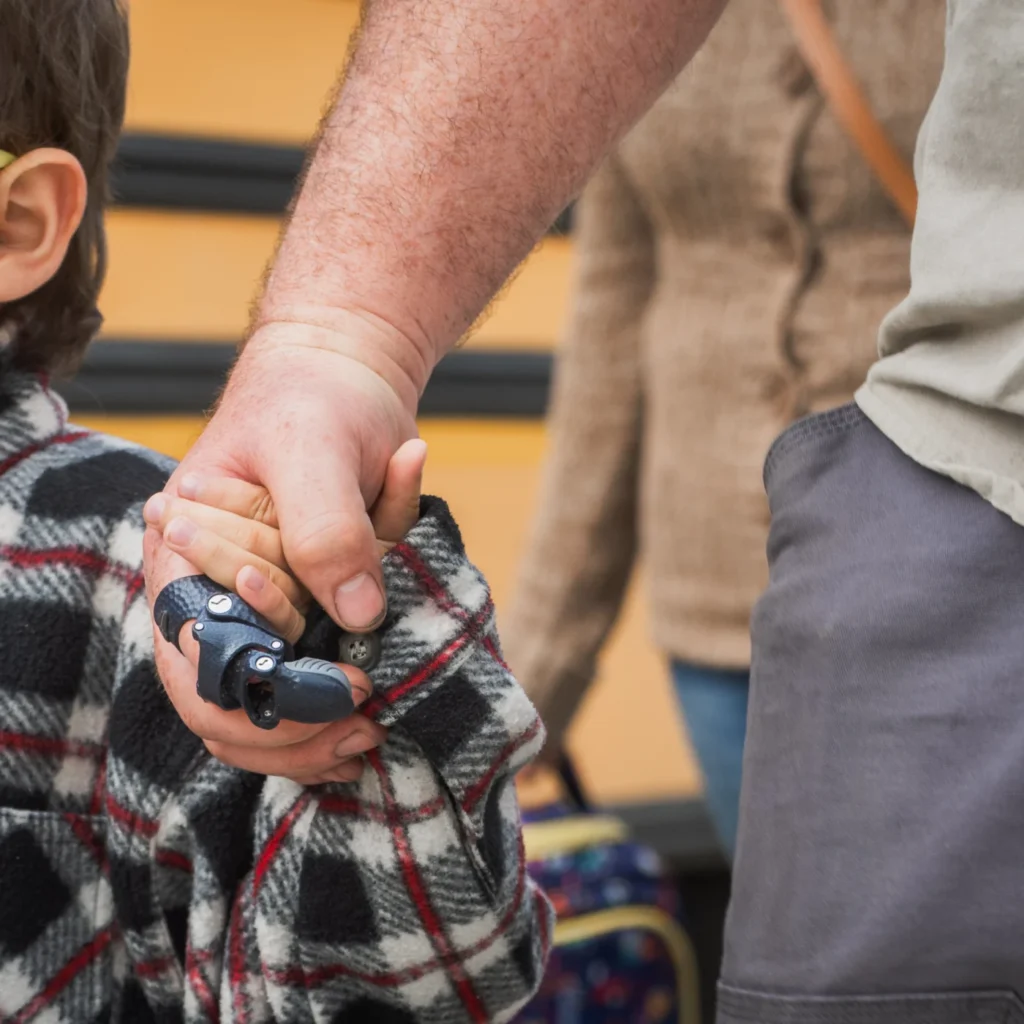
A prosthetic finger or prosthetic hand device may suit someone who has lost all or part of a finger, thumb or hand and wants additional function during daily activities.
The remaining part of the hand plays an important role in determining suitability. Body-powered devices rely on movement from the residual finger, thumb or hand segment, so your clinician needs to assess how much movement and control remains.
Your goals matter too. Some people want better grip for work. Others want support when carrying objects, using tools, holding keys or completing two-handed tasks.
Orthotics Plus assesses suitability individually. A consultation allows the clinician to examine your hand and discuss which activities you want the device to support.
Mechanical body-powered finger and partial hand prostheses
Orthotics Plus provides mechanical, body-powered devices for suitable finger, thumb and partial hand amputations.
These devices are functional body-powered prostheses. The remaining section of the finger, thumb or hand powers movement in the device.
For example, movement from the residual finger can operate the prosthetic section connected to it. This gives the user direct mechanical control without relying on batteries or electrical signals from muscles.
Orthotics Plus clinicians who provide this service are trained to assess, fit and support these devices.
How body-powered finger prosthetics work
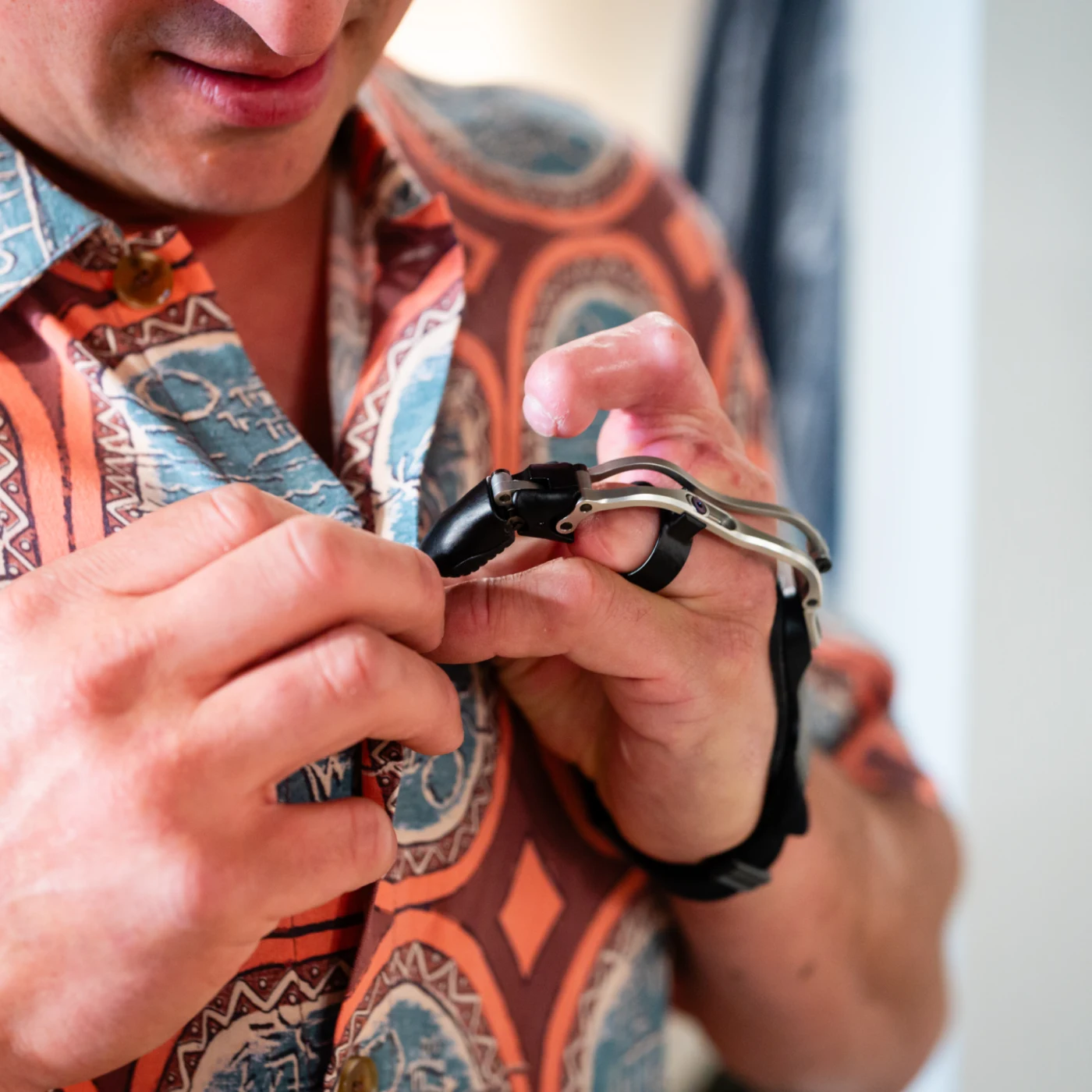
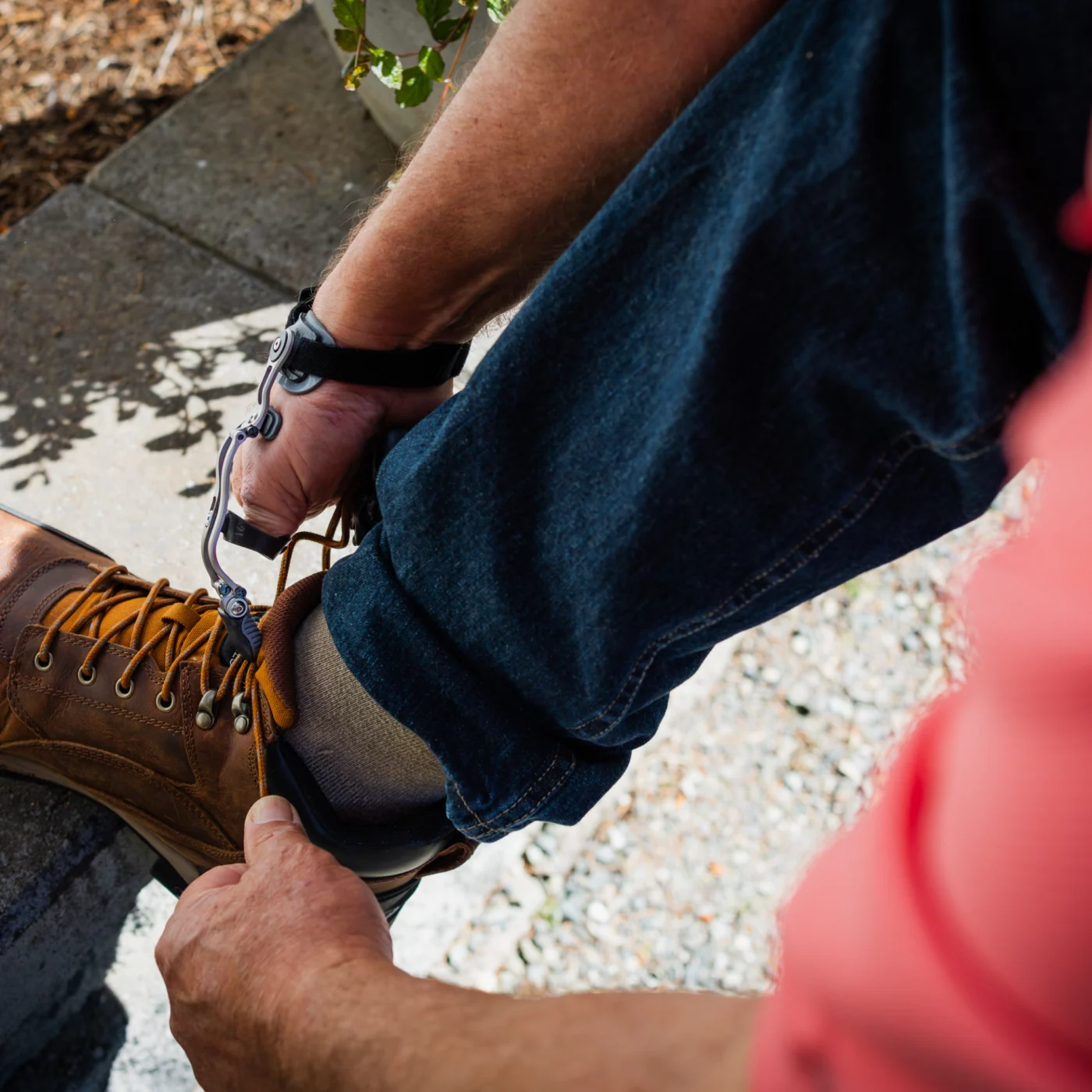
Body-powered prosthetics use movement that already exists in the remaining limb.
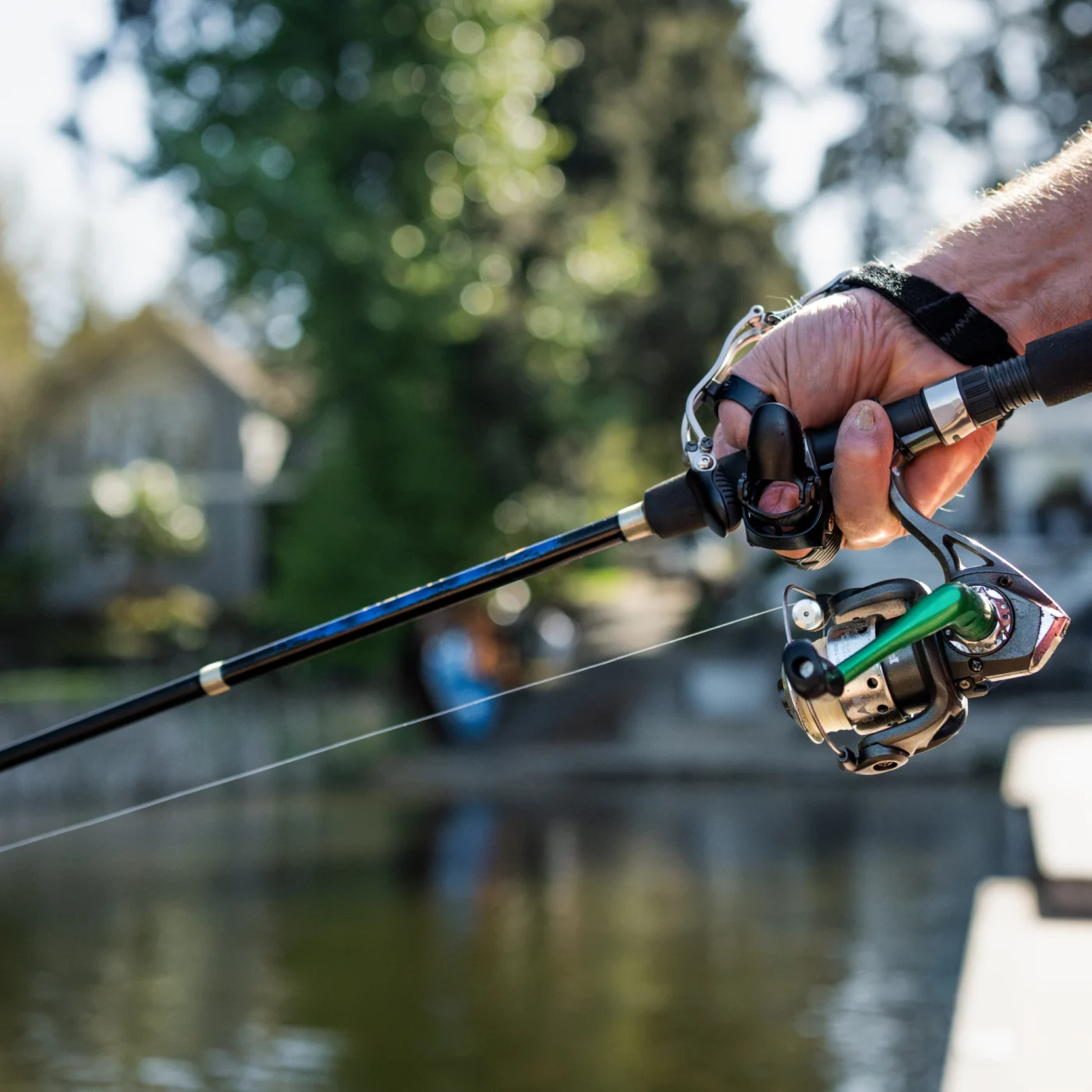
When the user bends or moves the residual finger or hand, the prosthetic mechanism follows that movement. This can help create grip or pinch during appropriate tasks.
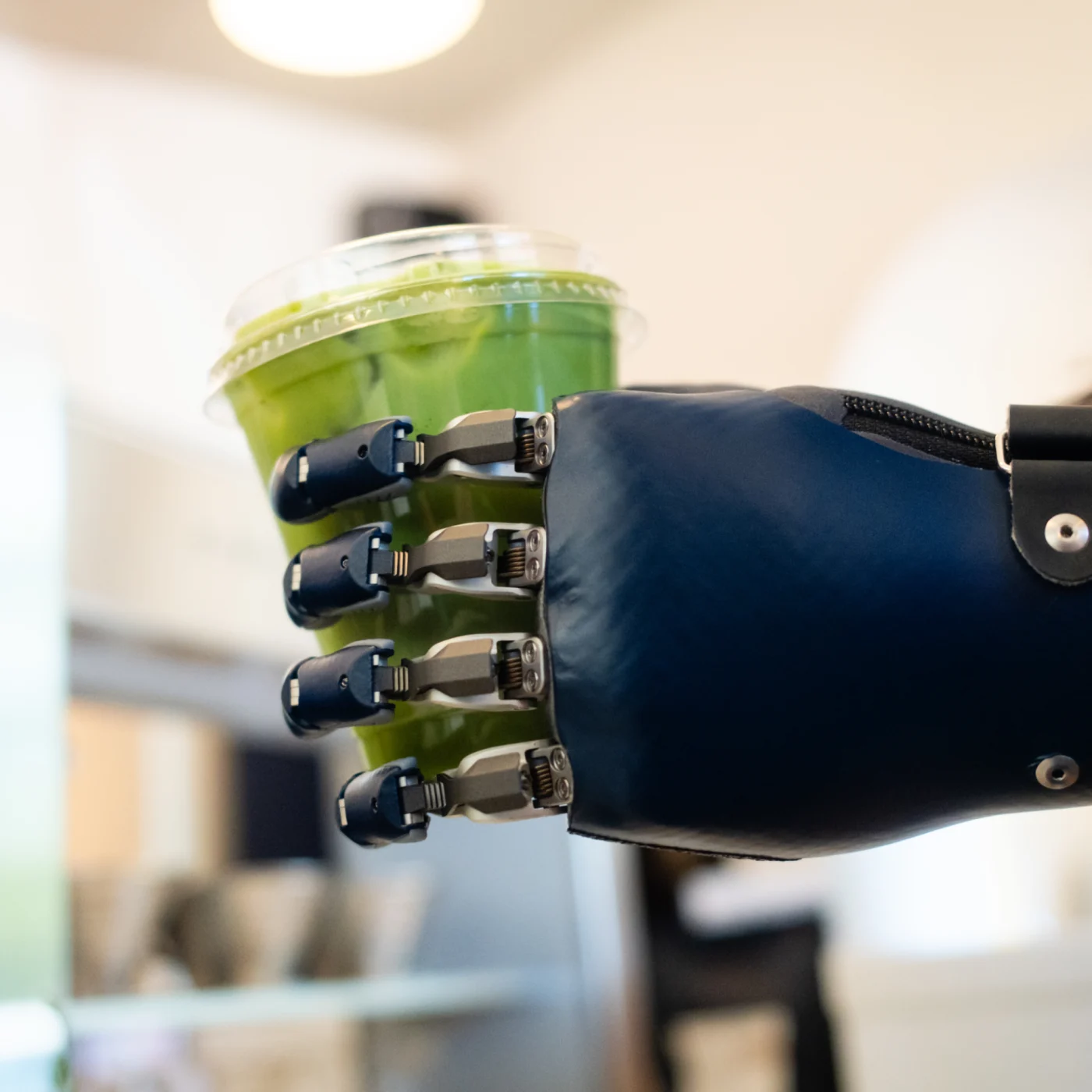
These devices differ from myoelectric prosthetics. Myoelectric systems detect muscle signals and use powered components to create movement. Body-powered devices use mechanical movement from the residual limb instead.
Orthotics Plus currently focuses this service on body-powered finger, thumb and partial hand devices. The clinic does not provide below-elbow prostheses, above-elbow prostheses, full prosthetic arms or myoelectric arm prostheses.
What can a finger or partial hand prosthesis help with?
The purpose of a functional prosthesis depends on what the person needs to do.
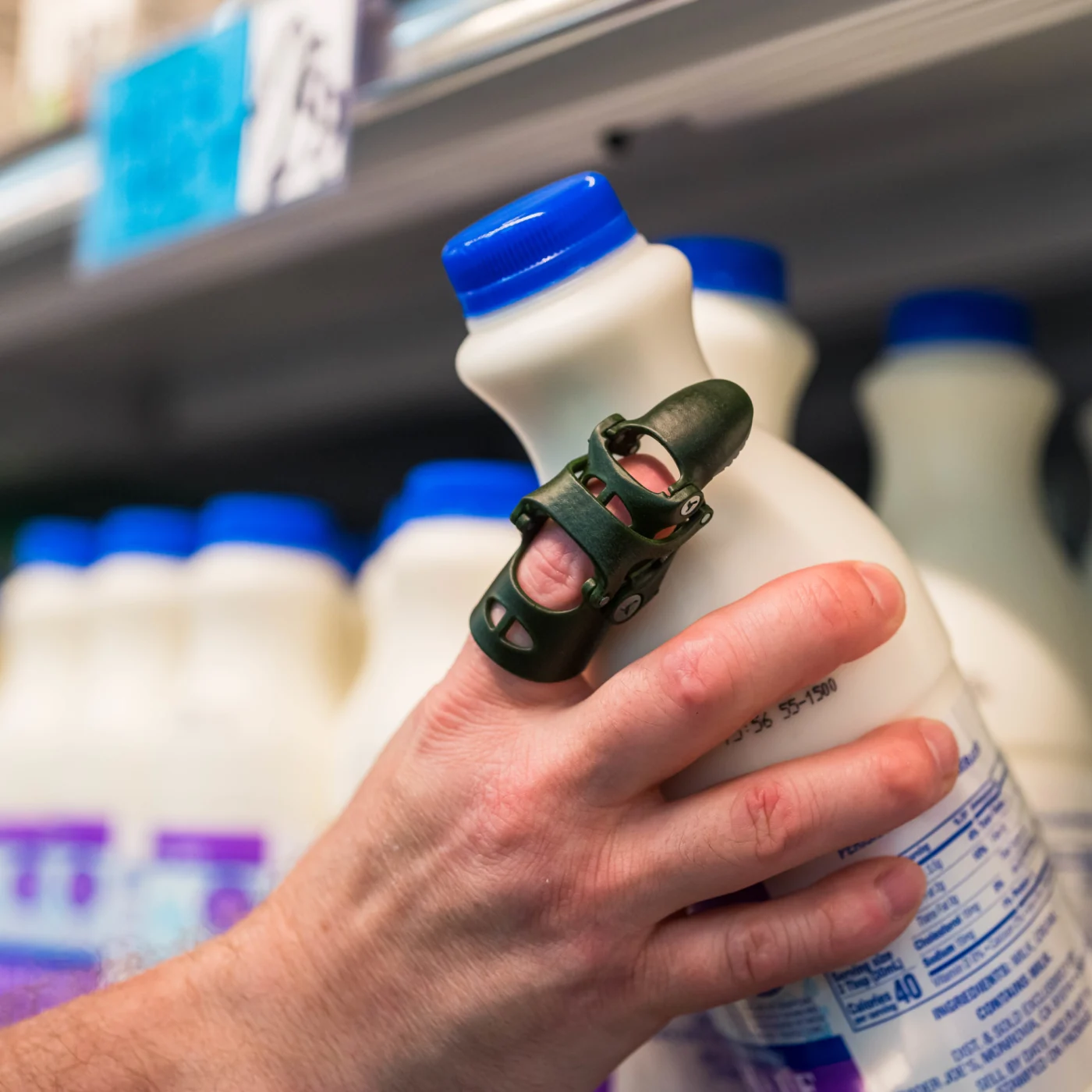
A suitable device may support activities such as gripping a tool, holding a shopping bag, stabilising an object, carrying items or using a key. Some people need greater grip strength. Others need better pinch or a way to use both hands together during a task.
Your clinician will discuss these activities during the assessment. This helps determine the type of device, position, grip requirements and other features that may suit your hand.
A prosthesis cannot recreate all natural hand movement. The aim is to identify practical functions that the device can support and choose an option that suits the available movement in the residual limb.
Your finger and partial hand prosthetic assessment
The process starts with a consultation at Orthotics Plus.
Assessment
Your clinician examines the amputation level, residual finger or hand, skin condition, movement and strength. They also ask about work, hobbies, self-care and other activities that you want the prosthesis to support.
Bring relevant medical information and details of any planned surgery that could affect the hand. You can contact Orthotics Plus directly or attend following a referral from another healthcare professional.
Suitability
Finger and partial hand prostheses require individual measurements, which can make full product trials difficult before fabrication.
Orthotics Plus can arrange a device for inspection or a limited trial in some circumstances when the clinic receives advance notice.
The clinician will use the assessment to determine whether a body-powered device suits your amputation level, available movement and functional goals.
Measurement and device planning
If you proceed, your clinician takes a cast of your finger or hand, along with the measurements required for the device.
The planning process can consider factors such as overall length, connection points, grip strength, fingertip finish and appearance.
Prosthesis fitting
During fitting, your clinician checks how the device connects to your finger or hand and how it responds to movement.
The clinician also reviews comfort and function during relevant tasks and makes adjustments where possible.
Training and follow-up
Using a new prosthesis requires practice.
Orthotics Plus provides initial training on using and managing the device. A physiotherapist or occupational therapist may support further rehabilitation when appropriate.
Follow-up appointments allow the clinician to review comfort, skin, device function and any issues that arise as you use the prosthesis more often.
How finger and partial hand prosthetics can be customised
Finger and partial hand prostheses require individual measurements because the shape and level of limb loss differ between patients.
Depending on the device, customisation may include
- Colour or skin-tone options
- Fingertip finish, including options suitable for touchscreens
- Overall size and length
- Pad position and connection to the remaining limb
- Grip strength
Your clinician will explain which options apply to the device recommended for you.
Maintenance and ongoing support
Body-powered prosthetic devices do not rely on batteries or electronic control systems.
You still need to clean the device and monitor it for wear. Your clinician will explain the care requirements during fitting.
Orthotics Plus can manage many maintenance requirements through its clinics. Contact the team if movement changes, components show signs of wear or the device no longer feels comfortable.
Changes to the residual limb can also affect fit. An assessment can determine whether the device needs adjustment or further review.

Funding for finger and partial hand prosthetics
Several funding pathways may support eligible prosthetic patients.
The NDIS may fund prosthetic devices for eligible participants when the device relates to their permanent disability and meets funding requirements.
Orthotics Plus also works with TAC and workers compensation claims. Patients can also pay privately.
Funding requirements differ between schemes. Orthotics Plus can prepare quotes and relevant supporting information after the clinician completes an assessment.
The clinic does not publish fixed prices for finger and partial hand prosthetics because the device, number of affected digits and individual requirements influence the cost.
Finger and partial hand prosthetic appointments in Melbourne
Orthotics Plus provides prosthetic care through its Melbourne clinic network.
You can contact our Melbourne clinics to arrange a suitable appointment.
Orthotics Plus has locations in Malvern, Richmond, Heidelberg, Forest Hill and Pascoe Vale.
Call the team before travelling if you need to discuss the prosthetic service or appointment requirements.
Frequently Asked Questions
Orthotics Plus currently provides functional, mechanical body-powered devices for suitable partial finger, complete finger, thumb and partial hand amputations. Your clinician will assess the remaining limb and available movement before recommending a device.
Body-powered finger prostheses use movement from the remaining finger, thumb or hand to control the prosthetic mechanism. The person physically powers the device through their own residual movement rather than batteries or electrical muscle signals.
A complete trial can be difficult because these devices require individual measurements. Orthotics Plus may arrange a product for inspection or a limited trial when appropriate and when the clinic receives enough notice before your appointment.
A custom device should fit securely and comfortably, although your skin and hand may need time to adjust to wearing it. Contact Orthotics Plus if you experience ongoing pain, rubbing, skin irritation or another issue with the fit.
A functional prosthetic finger may support certain work tasks when the device and residual movement suit the activity. Tell your clinician about the tools, grip requirements and physical demands involved in your work during the assessment.
Some body-powered finger prostheses offer fingertip options that can work with touchscreens. Your clinician can discuss this requirement during device planning and confirm which options suit the recommended prosthesis.
No. Orthotics Plus currently focuses this service on body-powered devices for finger, thumb and partial hand loss. The clinic does not provide myoelectric arm prostheses, full prosthetic arms, below-elbow prostheses or above-elbow prostheses.
The NDIS may fund a prosthesis for an eligible participant when it meets the scheme’s requirements. Orthotics Plus can provide a quote and relevant clinical documentation after assessing your needs.
Book a finger and partial hand prosthetic assessment
If finger, thumb or partial hand loss affects your daily function, Orthotics Plus can assess whether a body-powered prosthetic device suits your hand and goals.