Types of Customisable Knee Braces
At Orthotics Plus, we can create brand new custom knee braces, or customise various types of existing braces to suit the needs of the patient. These include:
We work with a variety of materials including metal, carbon fibre, plastic, elastane, etc. We stock high-quality brands of custom knee braces, such as Ossur and Donjoy.
Custom knee braces effectively work to control the knee in each required range of motion. They can be tailored towards ACL injuries, PCL injuries, mediolateral instability, hyperextension, injury prevention or what is required for the patient’s condition.
How Custom Knee Braces Work
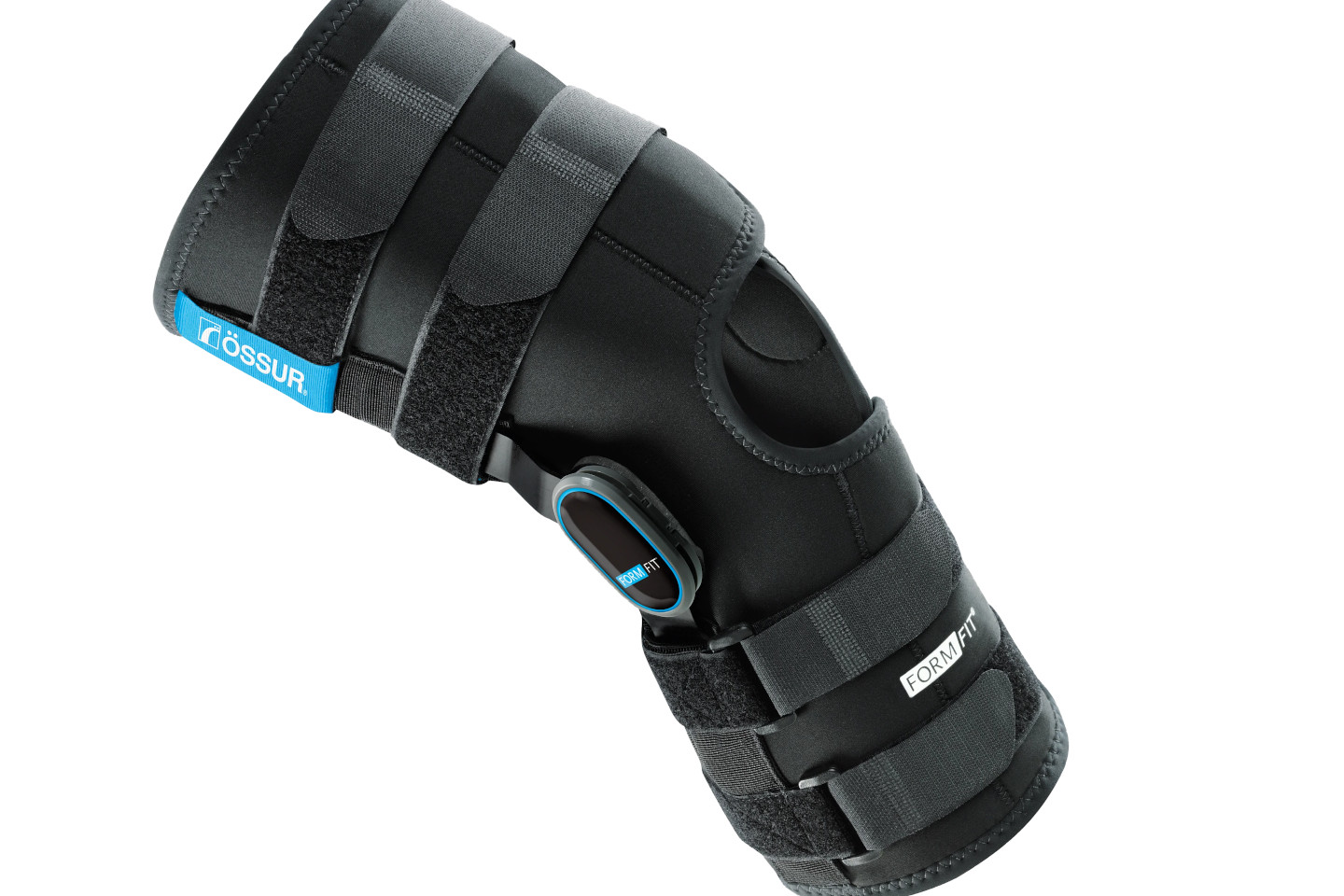
To greatly oversimplify, knees are meant to bend in one particular plane like a hinge. Depending on the patient’s individual condition, the knee brace helps to control movement in line with our treatment plan.
For example, we can fix the brace to allow for the knee to bend in one direction or prevent translation (back and forth movements). When a patient has knee instability, we can secure the brace to prevent flexion, extension, or hyperextension. The brace allows us to control a movement that is undesirable/harmful.
Do I Need a Referral for a Knee Assessment or Brace?
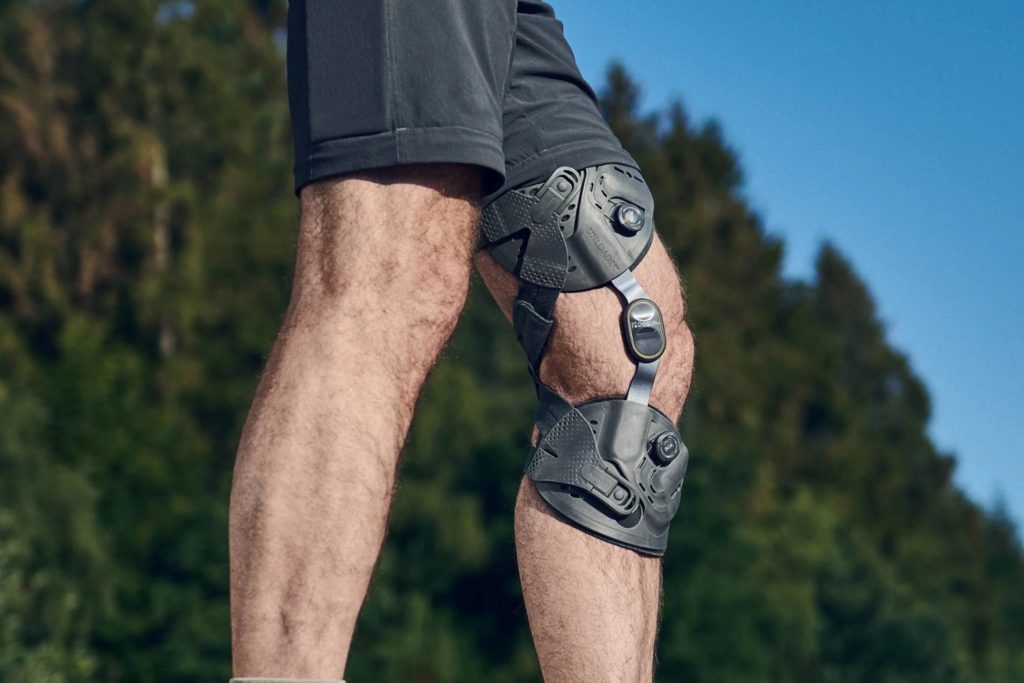
A referral from a general practitioner or allied health professional is not required prior to visiting Orthotics Plus. However, if you do have a referral, x-ray or MRI that would be helpful. Orthotics Plus may refer you to imaging specialists if necessary.
These scans can help to confirm if you do, in fact, have a suspected injury. But while the scans are helpful, they are not necessary.
How Long to Wear a Custom Knee Brace
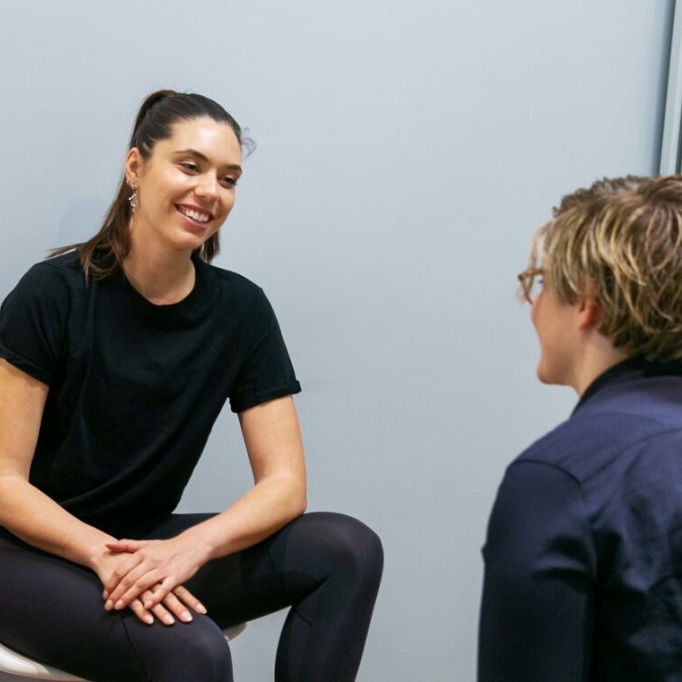
The amount of time a patient will wear a brace will depend on the nature of their injury.
Some may wear a brace for 12 weeks to heal an acute injury while others may only wear it while practising the sport or movement that caused the issue.
For example, an avid motorbiker may wear a custom brace while riding to lower the risk of injury, however, the same brace wouldn’t be worn in other activities of daily life.
For some, a brace may need to be worn 24/7 if their injury, disability, or condition requires it. Custom braces are typically worn for longer periods.
Benefits of Custom Knee Braces
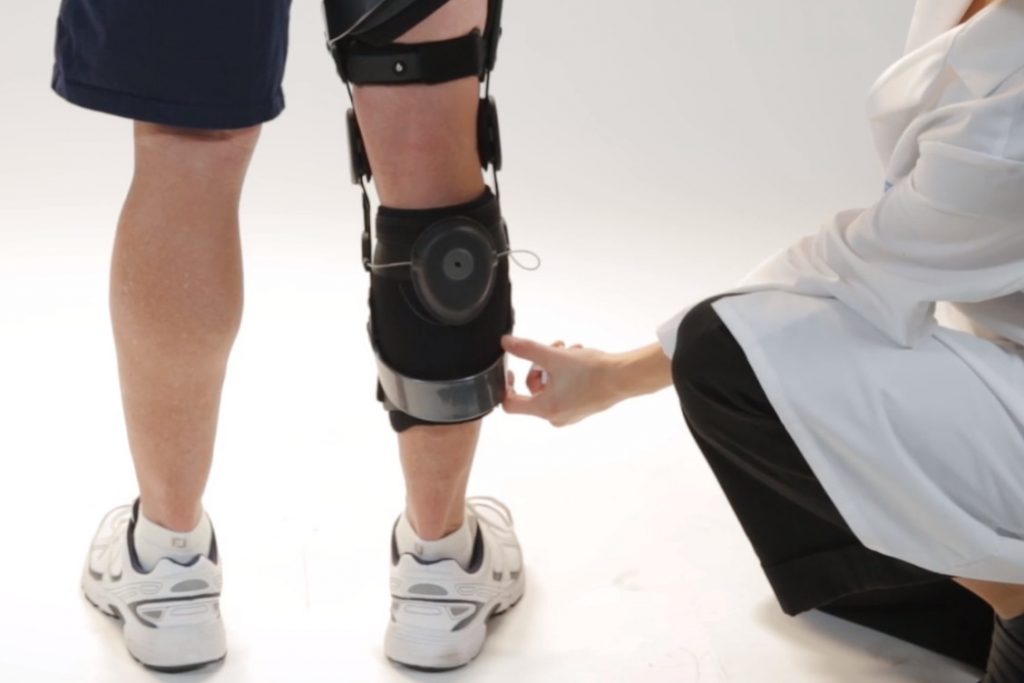
Custom knee braces offer better joint control and comfort than off-the-shelf options. They match your leg shape, movement patterns, and functional needs.
- Fit accurately and sit comfortably for long wear times
- Support injured or unstable joints without restricting safe movement
- Reduce pain during walking, squatting, or activity
- Prevent further damage or help correct alignment
- Available in slim, low-profile designs suitable for various clothing or sport codes
- Work well across age groups, from youth athletes to older adults
Braces are manufactured either in-house or overseas using lightweight materials, including carbon fibre, medical-grade plastics, and padded liners. Braces can be fitted to allow or block flexion, extension, rotation, or translation, based on your condition.
Why You Might Need a Knee Brace
A custom knee brace may assist recovery or reduce pain linked to a variety of conditions, including:
- ACL injuries
- Osteoarthritis
- Knee instability
- Patellofemoral pain
- Hyperextension injuries
- Post-operative care
- Neurological conditions
Your orthotist will explain the recommended treatment and fit you with the correct device to match your activity and recovery goals.
What the Process Involves
You will attend a one-on-one consultation with a qualified orthotist.
Step 1 – Assessment
We review your symptoms, medical history, and physical activity.
If you have x-rays or MRI scans, bring them along.
Step 2 – 3D Scanning
We measure your leg and knee using digital scanning or manual casting
to design the brace with precision.
Step 3 – Design & Manufacture
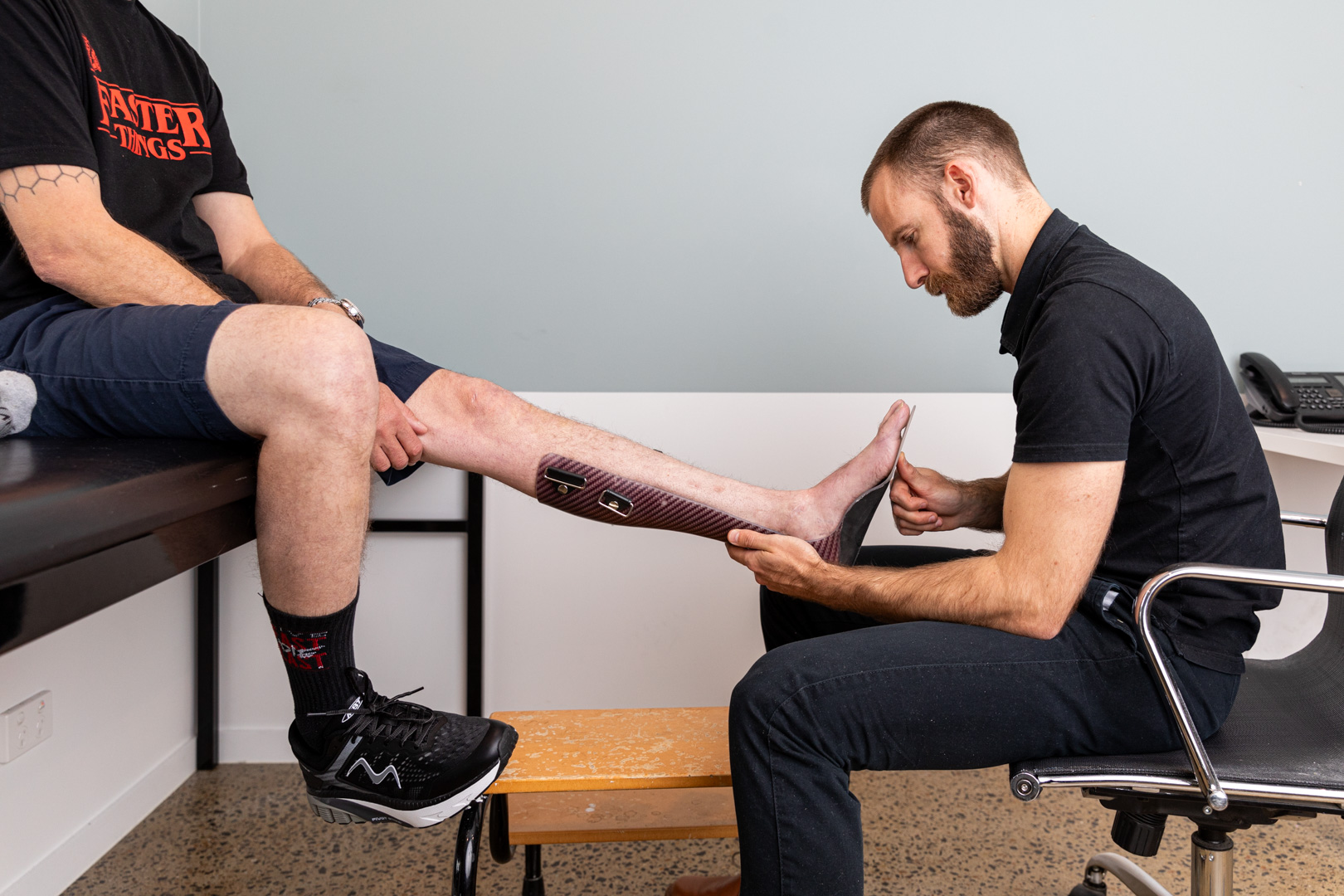
Your orthotist designs a brace that provides support, restricts unwanted
motion, and maintains comfort. We use in-clinic fabrication or trusted
brands like DonJoy and Össur.
Step 4 – Fitting
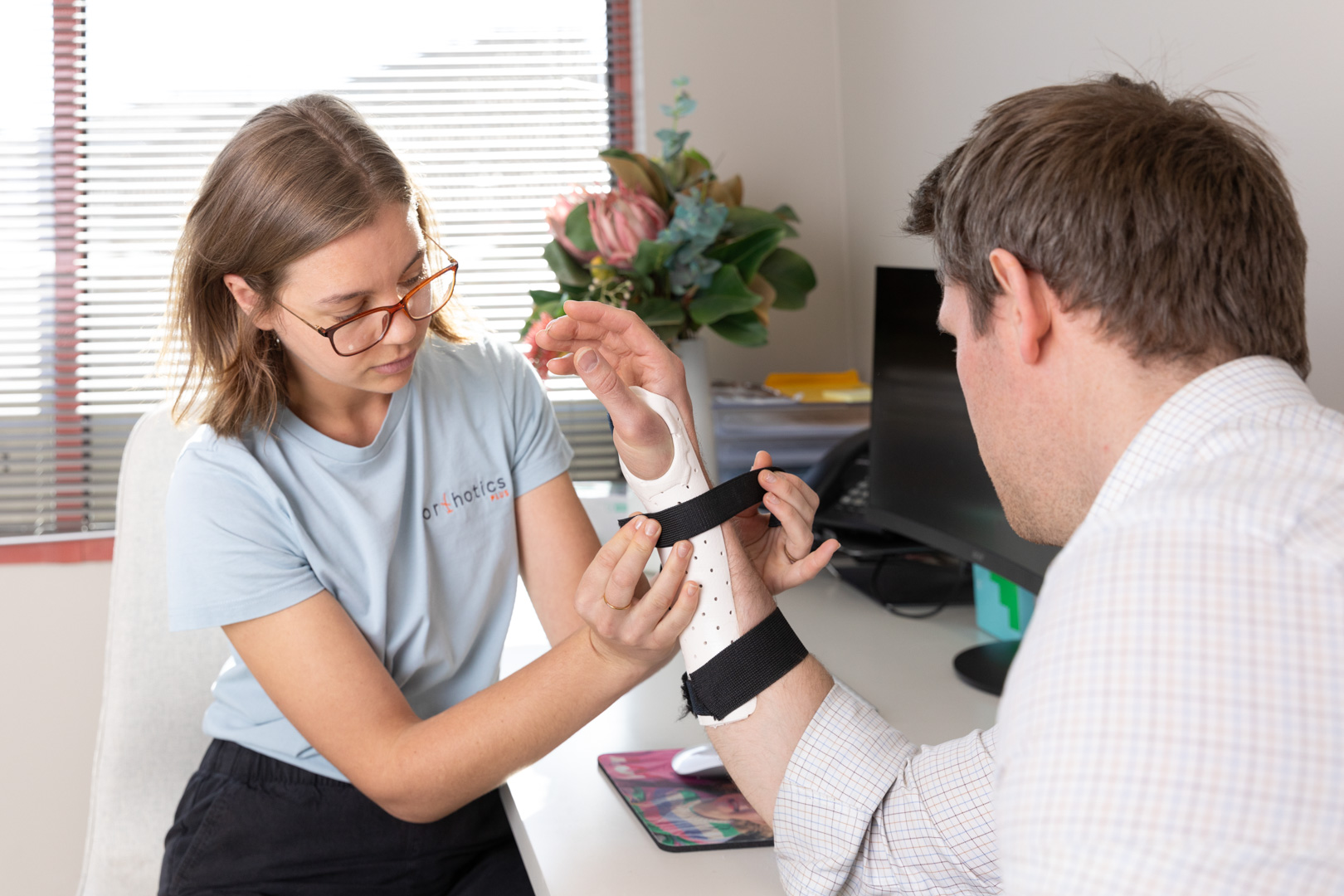
At your fitting appointment, we adjust the brace on the spot for comfort
and function. You’ll also learn how to apply, remove, and care for it.
Step 5 – Follow-up
If the brace requires adjustment later, we review the fit and make changes,
including straps, padding, or range-of-motion updates.
Patient Feedback
“Stephen was very informative and helpful while fitting my knee brace. Jane on reception was amazing also. Thank you both.”
— Josh A., Google Review, Mar 2025

Frequently Asked Questions
Most patients who require a Rebound PCL or Unloader knee brace can use an off-the-shelf version. However, we can manufacture a custom version of those braces as well if required.
We commonly create custom Rebound PCL braces for patients with larger thighs (elite athletes, rugby players etc) as off-the-shelf versions may not be very comfortable for them. Unloader braces are very flexible, so it’s rare that a custom version would be needed.
For most recreational activities, custom knee braces can be worn without affecting your ability to participate.
When being fitted for the brace, our Orthotist will ask questions about the types of activities you participate in. Our recommendations are based on your lifestyle, the nature of your condition and the types of braces you are interested in.
For professional or organised leagues, it’s best to check the rules first. For example, some sporting clubs and codes will allow you to wear a knee brace, but others, such as the AFL, don’t permit hard braces as they can be a hazard to other players. This can be overcome via exemption or if the brace is covered by a soft material. So, the answer may vary depending on each individual league and their rules.
If the brace is made properly, it should be quite comfortable for daily wear. However, keep in mind that because braces are in contact with areas that are not usually weight-bearing, they can cause friction. Like a new pair of boots, an adjustment period is normal; they can take a bit of time to wear in.
If the brace is uncomfortable for long periods of time, or it’s uncomfortable after short periods, then it should be examined by our team as adjustments will probably be necessary. In rare cases, the brace may need to be entirely remade.
If the error is due to our manufacturing there will be no cost to the patient.
The type of material used will depend on the brace itself.
We will typically manufacture braces to ensure that hard metal or hard carbon fibre doesn’t come in contact with bony areas. We are also careful to ensure that there’s sufficient padding between the hard parts of the brace and the skin.
The padding can be made of materials such as silicon, cotton-lined foam, or other quality materials that promote soft and comfortable wear.
If your anatomy is quite standard and an off-the-shelf brace fits comfortably on you, that could be an appropriate solution.
If budget is a consideration, off-the-shelf braces are typically lower in price and produce clinically appropriate results. However for perfect fitting, or if you have atypical anatomy, a custom knee brace may be a better option.
During your appointment at Orthotics Plus, we’ll discuss viable options and ensure that we fit you with a brace that works well.
Yes, the trial of a brace is highly suggested before committing to it.
During the appointment, you are free to try on multiple prefabricated options to feel how the brace benefits you.
If you decide that an off-the-shelf version is not right for you or doesn’t fit well, then we can discuss making adjustments to the prefabricated brace or considering a customised option.