A facial fracture can interrupt training, competition, and recovery plans. Orthotics Plus provides custom face masks for athletes who require protection following a cheekbone or nasal fracture and want to return to sport safely during the healing period.
Our clinicians work with AFL players, rugby athletes, basketball players, martial artists, and active individuals who require additional facial protection after injury. Each face mask undergoes assessment, fitting, and fabrication in clinic by an AOPA-registered orthotist.
Custom Face Mask Support at Orthotics Plus
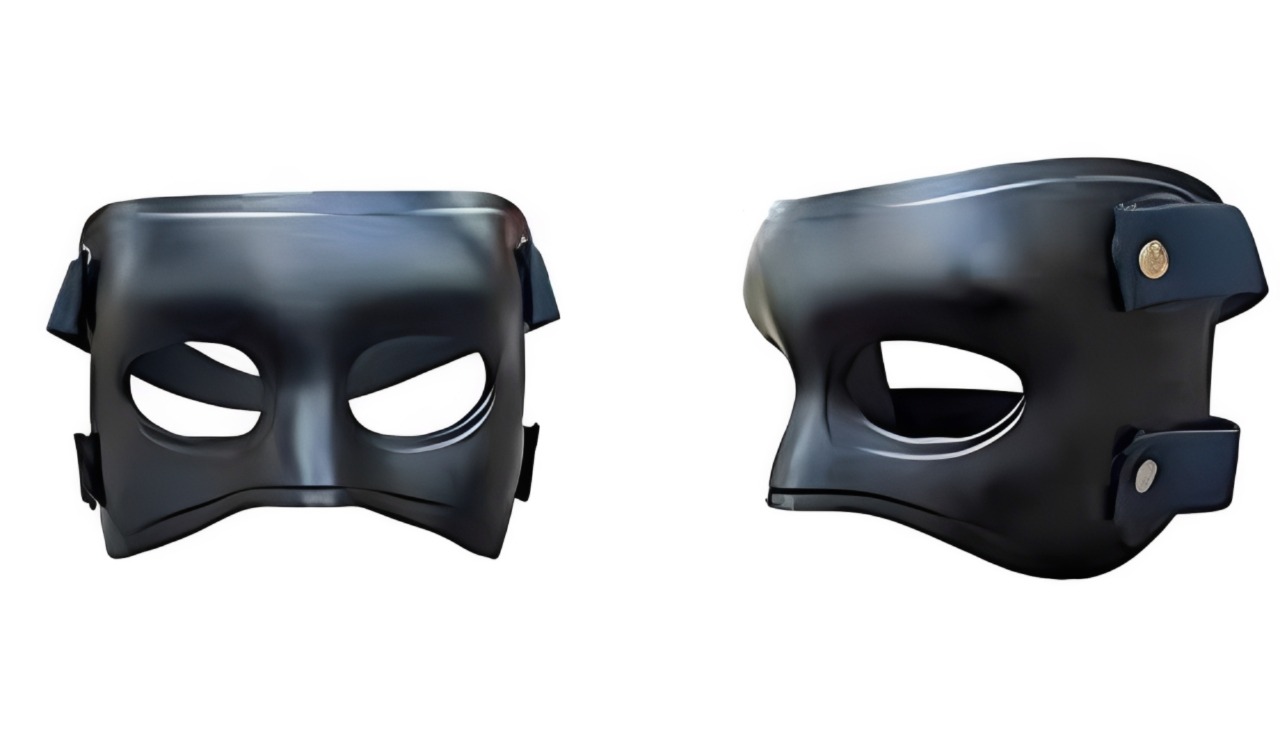
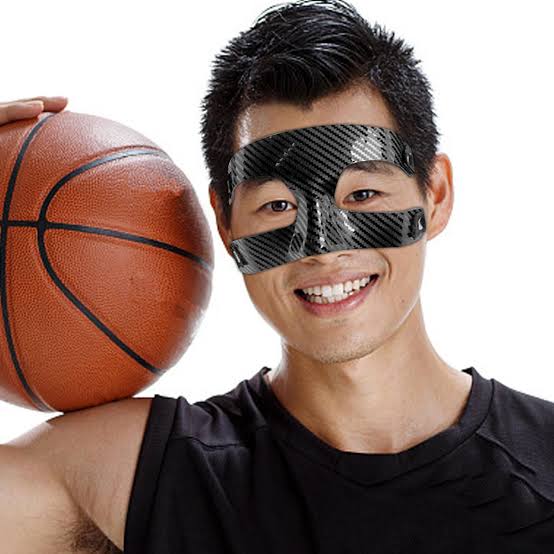
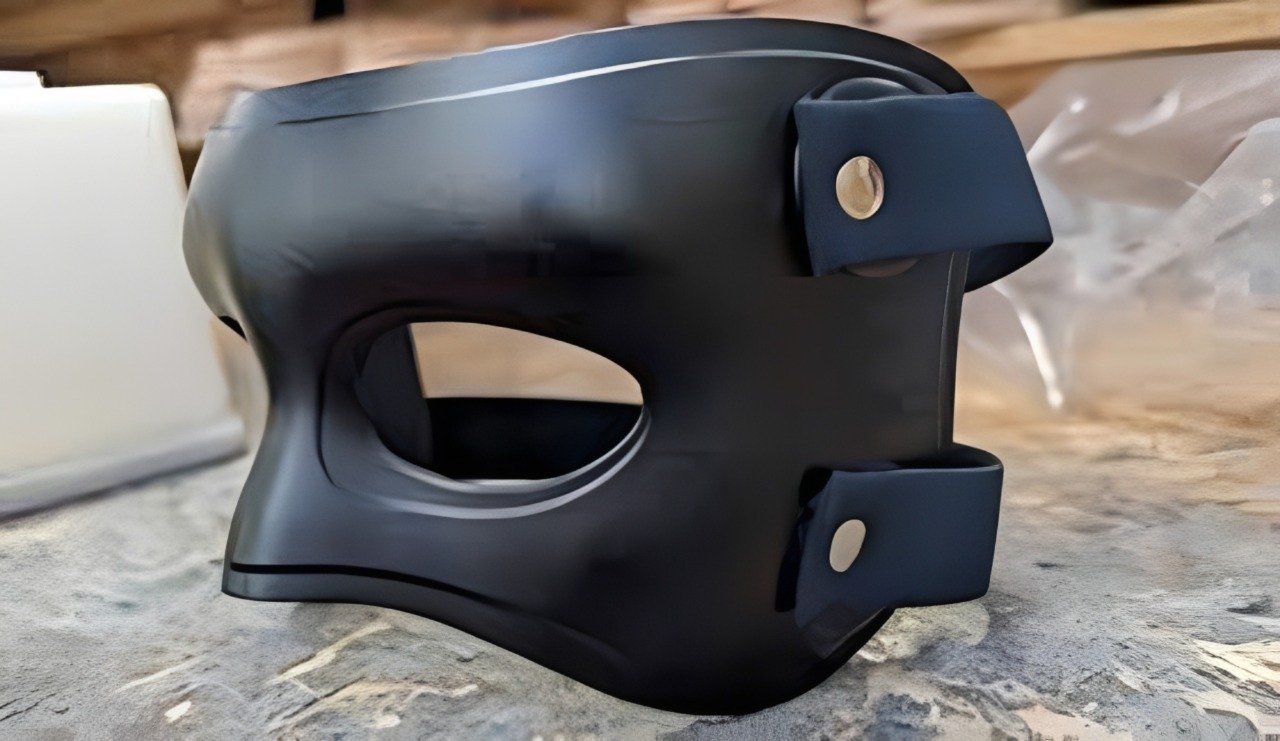
A protective face mask provides a rigid or semi-rigid barrier that shields vulnerable facial structures from impact during recovery. The device protects areas affected by a fractured cheekbone, nasal fracture, or combined facial injury while allowing participation in approved sporting activities.
Orthotics Plus assists adults and adolescents who have sustained facial fractures during sport. AFL players commonly seek custom face masks following contact injuries. Rugby players, basketball athletes, martial artists, and other competitors also benefit from protective facial support during rehabilitation.
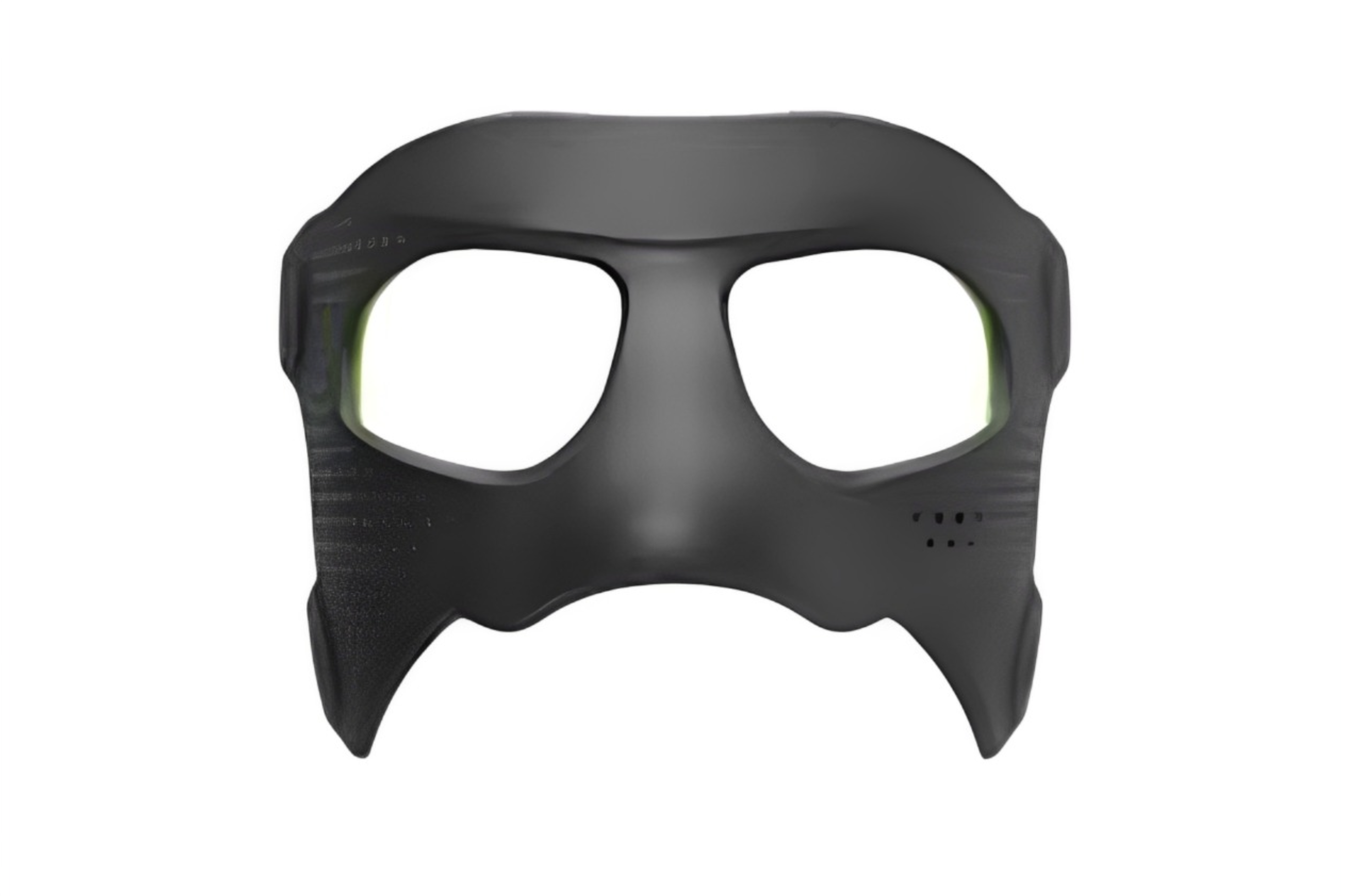
Unlike generic protective equipment, custom face masks match the athlete’s facial anatomy and injury location. Orthotics Plus fabricates devices in clinic, which allows direct clinician involvement throughout the process and supports rapid modifications when required.
Many patients who access custom braces for sporting injuries also require temporary facial protection during recovery. Athletes who receive ongoing rehabilitation through Orthotic Management of Foot & Ankle Injuries often benefit from coordinated care when multiple injuries occur during the same sporting season.
Athletes seeking broader protective solutions can also explore our custom sports braces services.
The Protective Face Mask Device and Process
A custom face mask functions as a protective orthotic device. It protects injured facial structures during the healing period and assists athletes returning to training and competition under medical guidance.
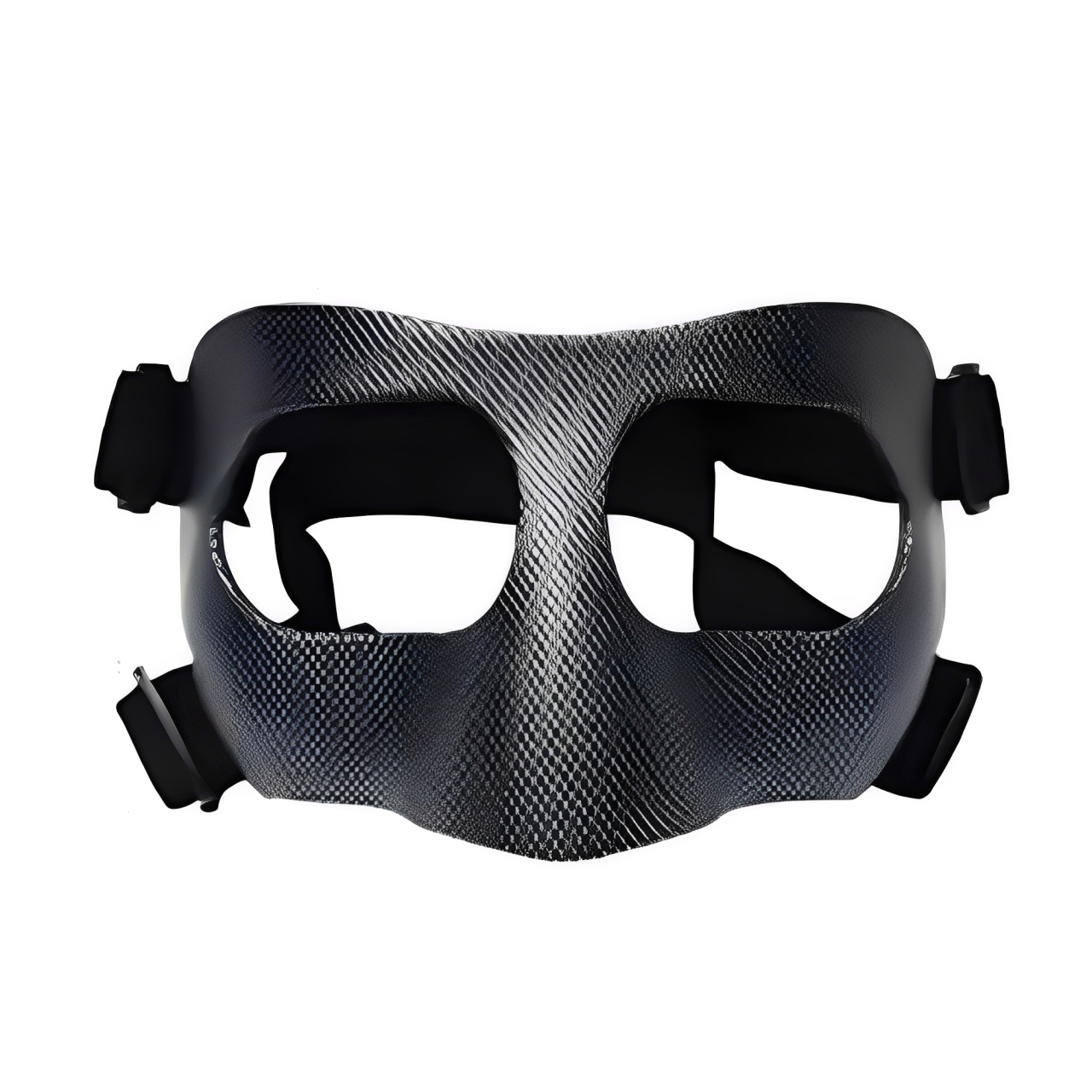
Orthotics Plus customises several key components.
- Shell material and profile matched to the fracture location
- Internal padding shaped to the patient’s facial anatomy
- Retention systems selected according to sporting requirements and headgear use
- Protection zones designed to reduce direct impact on the injured area
- Coverage options for nasal fractures, cheekbone fractures, or combined injuries
Each device balances protection, comfort, visibility, and sporting performance requirements.
Assessment and Fitting at Orthotics Plus
1. Referral or Initial Contact
Patients can attend following referral from a hospital emergency department, GP, specialist, sports physician, physiotherapist, or through self-referral.
2. Clinical Assessment
The orthotist reviews imaging reports, injury details, sporting activities, and recovery goals. Casts or scanshelp determine the required design and coverage.
3. In-Clinic Fabrication
The team fabricates the device using casting or scanning and clinical assessment findings. Orthotics Plus does not rely on standard retail products for this service.
4. Fitting Appointment
The clinician checks fit, comfort, vision, stability, and protection. Patients receive guidance regarding wear schedules, maintenance, and sporting participation during recovery.
5. Follow-Up Review
As swelling reduces and healing progresses, adjustments may improve comfort and protection. The clinic can complete modifications promptly when required.
Clinical Expertise
Orthotics Plus employs AOPA-registered orthotists with extensive experience in protective orthotic devices, sports injury management, custom orthotics, and custom orthotics in Melbourne. The clinical team collaborates with surgeons, sports physicians, physiotherapists, and other healthcare professionals to support safe return-to-sport outcomes.
Many patients who access foot orthotics, upper limb orthotics, fracture management services, and custom braces also receive protective sports devices when injury management requires additional support.
Sports Injuries and Fracture Management
Sporting injuries frequently involve fractures that require orthotic support during recovery. Orthotics Plus provides fracture management services for a range of upper and lower limb injuries after hospital discharge or when emergency care is not required.
Athletes recovering from ankle fractures, metatarsal fractures, tibia injuries, or other sporting trauma often receive coordinated care that combines protective devices and rehabilitation support.
Booking Your Custom Face Mask Consultation
Prompt assessment following diagnosis can reduce delays in returning to approved sporting activities. Early fitting allows clinicians to provide protection during the healing period and address sport-specific requirements from the beginning.
Private health extras may contribute toward eligible orthotic devices depending on policy conditions. TAC and WorkSafe funding may also apply when eligibility requirements are met.
Patients can book directly without a referral. Appointments are available through our Melbourne clinics located in Malvern, Heidelberg, Richmond, Forest Hill, and Pascoe Vale.
Frequently Asked Questions
A custom face mask protects facial fractures during recovery. Athletes who sustain cheekbone or nasal fractures commonly use these devices while returning to approved sporting activities.
No. Orthotics Plus accepts self-referrals. Patients can contact the clinic directly following diagnosis.
We offer emergency appointments at our locations. If manufacture is urgent we can usually turn a face mask around in under a week. Bringing imaging reports and medical documentation helps streamline the assessment process.
The clinician shapes the device to the individual’s facial anatomy. This approach improves comfort, stability, and security compared with generic products.
Some private health funds may contribute toward eligible devices. TAC and WorkSafe funding may also apply when eligibility requirements are met. Patients should contact the clinic for guidance regarding funding pathways.
Yes. Follow-up appointments allow clinicians to review fit and complete modifications when swelling reduces during recovery.