MS rehabilitation, assessment and orthotic support at Orthotics Plus Melbourne
Multiple sclerosis affects the central nervous system by disrupting communication between the brain and the body. Many people experience muscle weakness, fatigue, reduced balance, foot drop, and changes in coordination that affect mobility and daily activities.
Orthotics Plus supports MS rehabilitation through comprehensive assessment, custom orthotic prescription, and ongoing reviews that help maintain mobility, improve safety, and support independence. Since 2012, our university-qualified, AOPA-registered orthotists have supported people across five Melbourne clinics. We are a registered NDIS provider, and our senior clinicians have more than 10 years of experience managing neurological conditions.
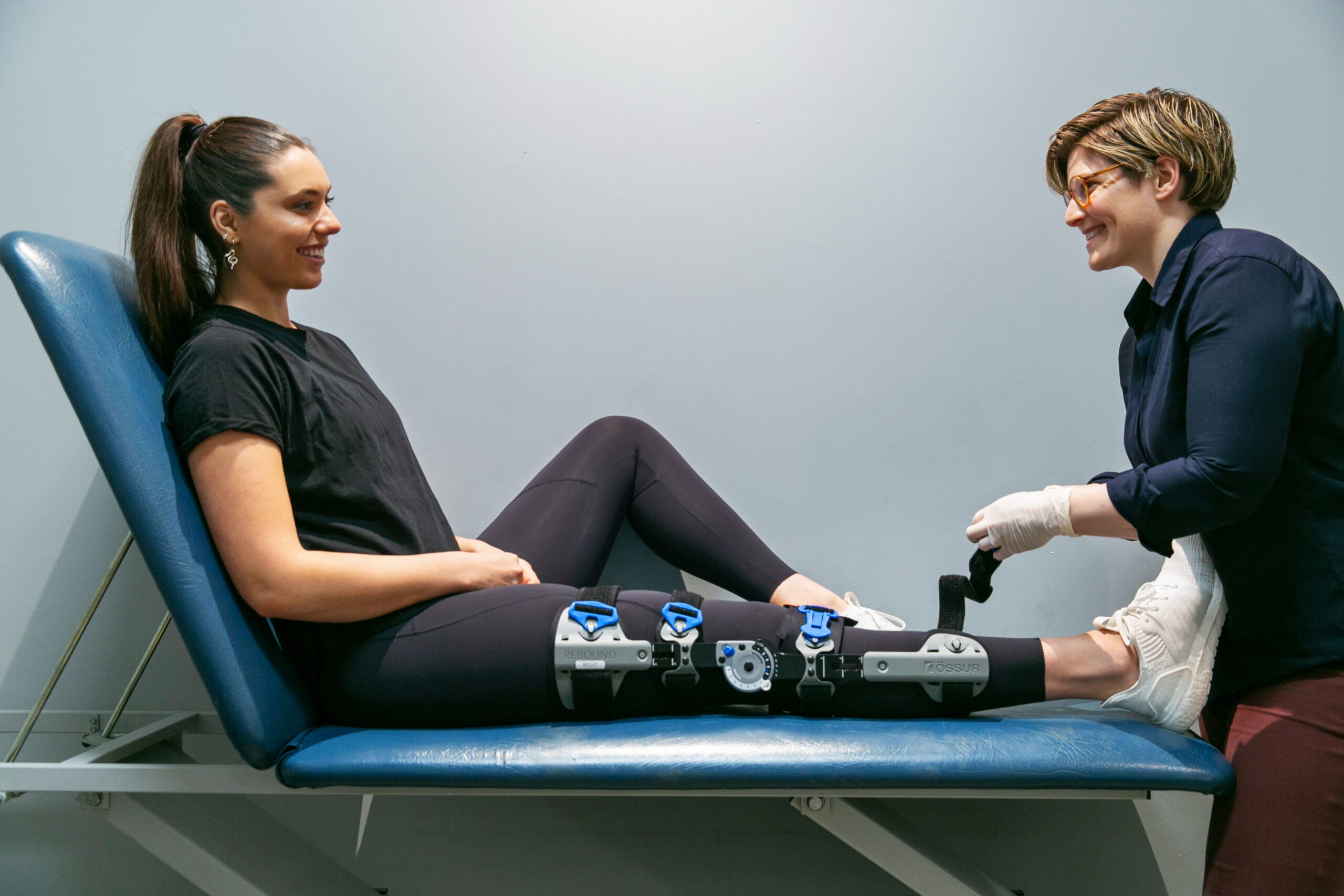
Multiple Sclerosis Services
Multiple sclerosis changes over time, so orthotic management often changes as well. Our clinicians assess mobility, muscle strength, walking pattern, balance, joint alignment, and functional goals before recommending an appropriate orthotic solution.
There are several types of MS. Relapsing-remitting MS is the most common, with periods of new or worsening symptoms followed by partial or full recovery. Secondary progressive MS can develop later, with symptoms gradually worsening over time. Primary progressive MS involves a steady worsening of symptoms from the start, without distinct relapses. Orthotic needs can differ between types and change over time, so regular reviews help your device keep pace with your symptoms.
Orthotic care works alongside your physiotherapy program by improving stability, reducing unnecessary movement, and supporting more efficient walking. Our orthotists work closely with physiotherapists, rehabilitation physicians, occupational therapists, exercise physiologists, and other members of your healthcare team throughout your rehabilitation program.
Orthotics Plus provides Multiple Sclerosis Treatment through orthotic assessment, device prescription, fitting, follow-up reviews, and Assistive Technology reporting for eligible NDIS participants. Our role focuses on managing the physical effects of multiple sclerosis through rehabilitation and orthotic care. We do not provide neurological or pharmaceutical treatment.
Patients looking for an MS specialist in Melbourne often seek experienced clinicians who understand the physical challenges associated with neurological conditions. Our orthotists have extensive experience assessing and managing mobility concerns associated with multiple sclerosis.
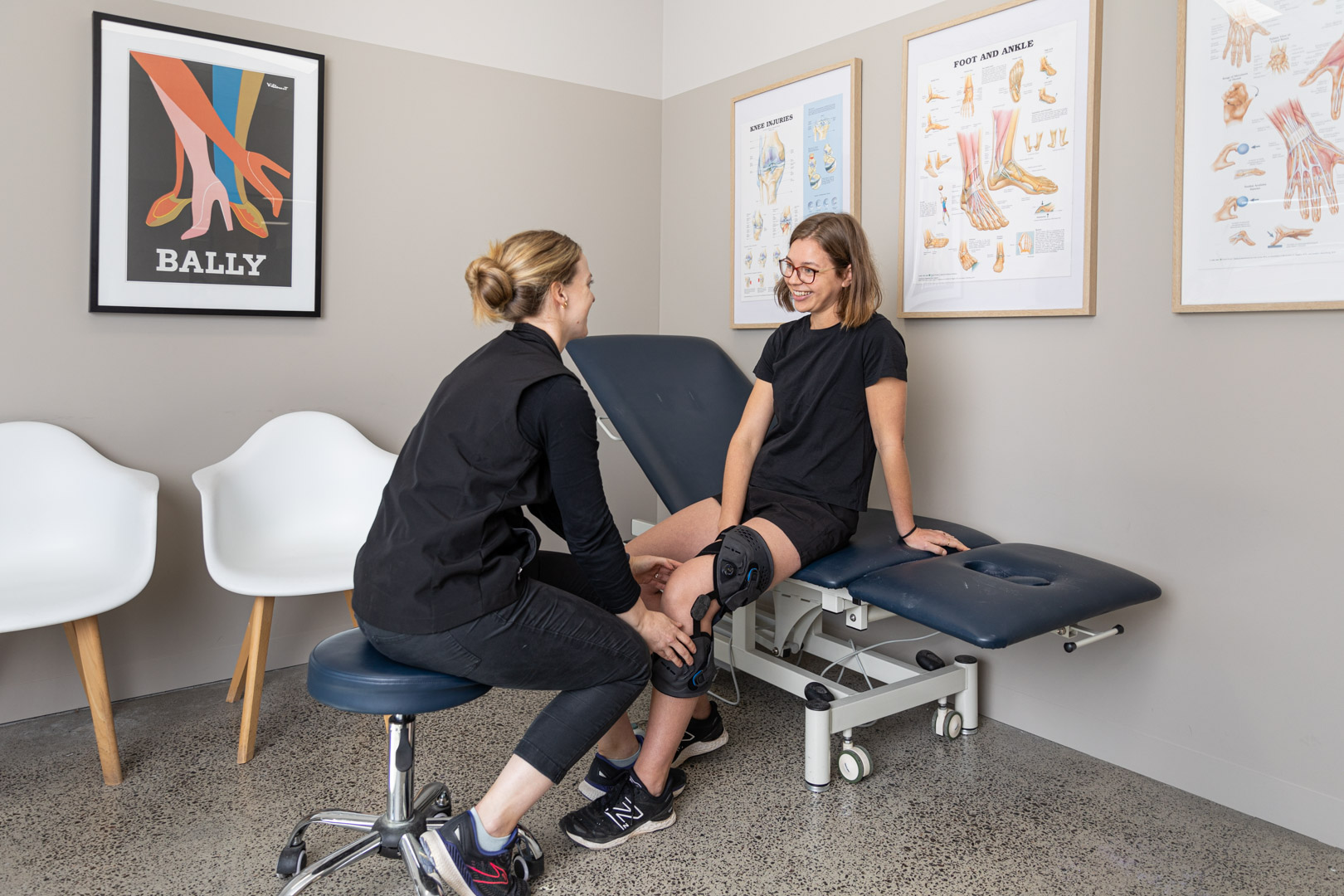
Orthotics for Multiple Sclerosis
Orthotic treatment aims to improve walking efficiency, support weakened muscles, increase stability, and help maintain independence throughout rehabilitation.
As symptoms change, orthotic prescriptions may also change. Regular review appointments allow your orthotist to adjust your device so it continues to match your mobility, activity level, and rehabilitation goals.


Ankle Foot Orthoses (AFOs)
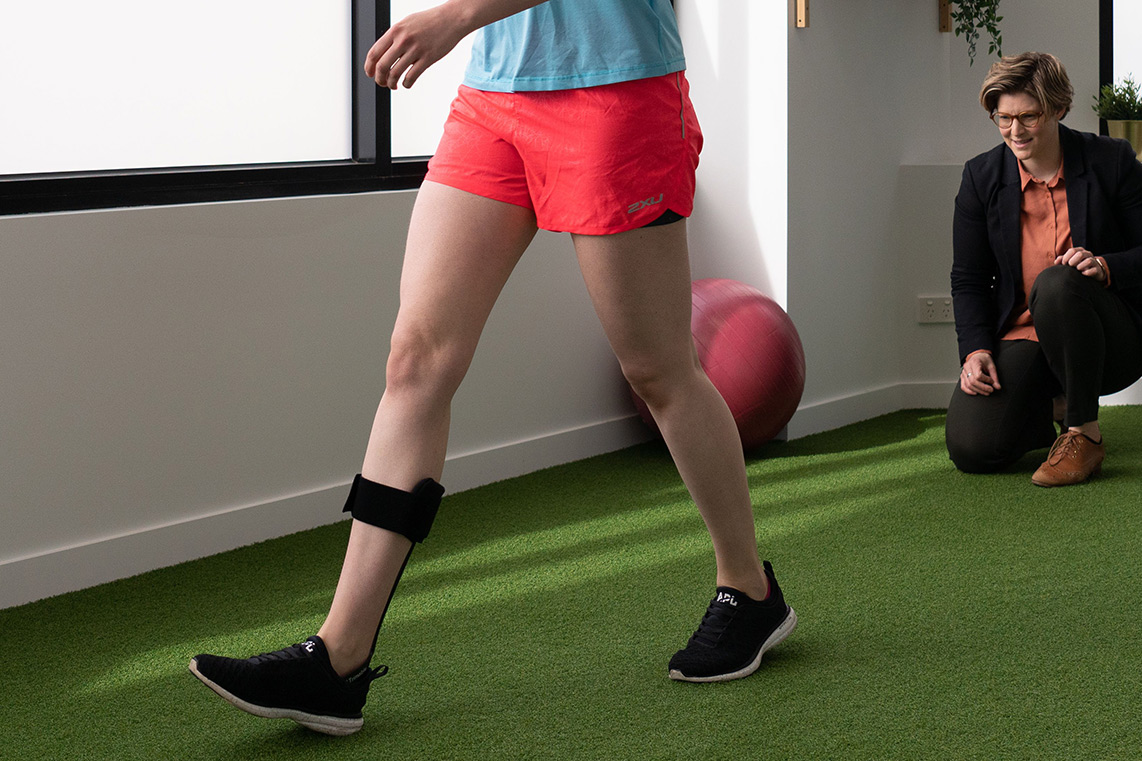
Ankle Foot Orthoses support ankle stability, improve foot clearance, and assist people experiencing foot drop or muscle weakness. They often improve walking safety while reducing the effort required for daily mobility. An AFO is a lightweight foot drop device, sometimes called a foot splint or foot lifting device, that helps lift the front of the foot as you step.
Ground Reaction Ankle Foot Orthoses (GRAFOs)
Ground Reaction Ankle Foot Orthoses help manage foot drop, ankle weakness, and reduced knee stability during walking. By improving lower limb alignment, these devices can support a more efficient gait pattern and reduce the effort required to walk.
Functional Electrical Stimulation (FES)
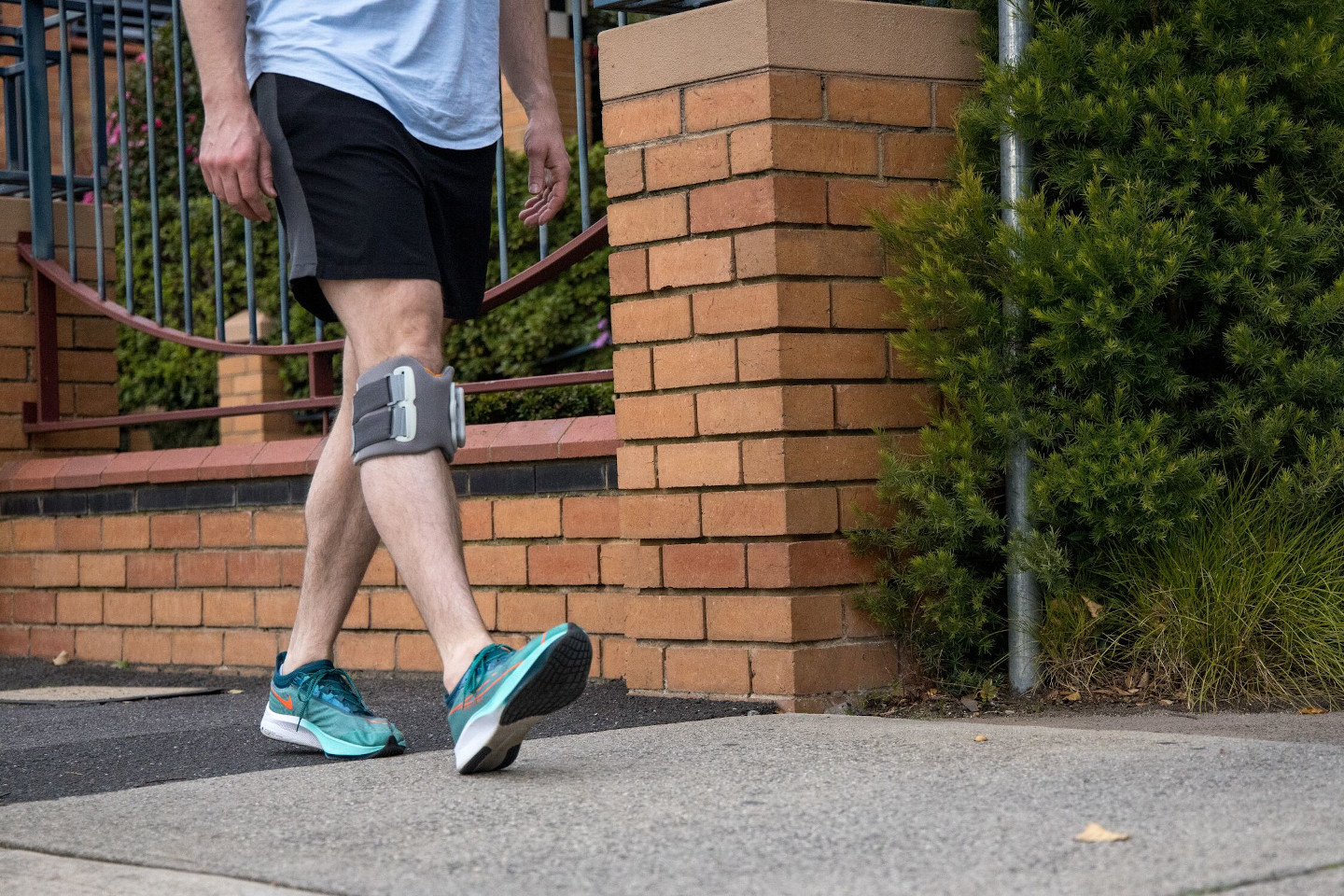
Functional Electrical Stimulation activates specific muscles during walking through controlled electrical stimulation. Selected patients may benefit from FES as part of their MS rehabilitation program when clinical assessment identifies appropriate indications.
Knee Ankle Foot Orthoses (KAFOs)
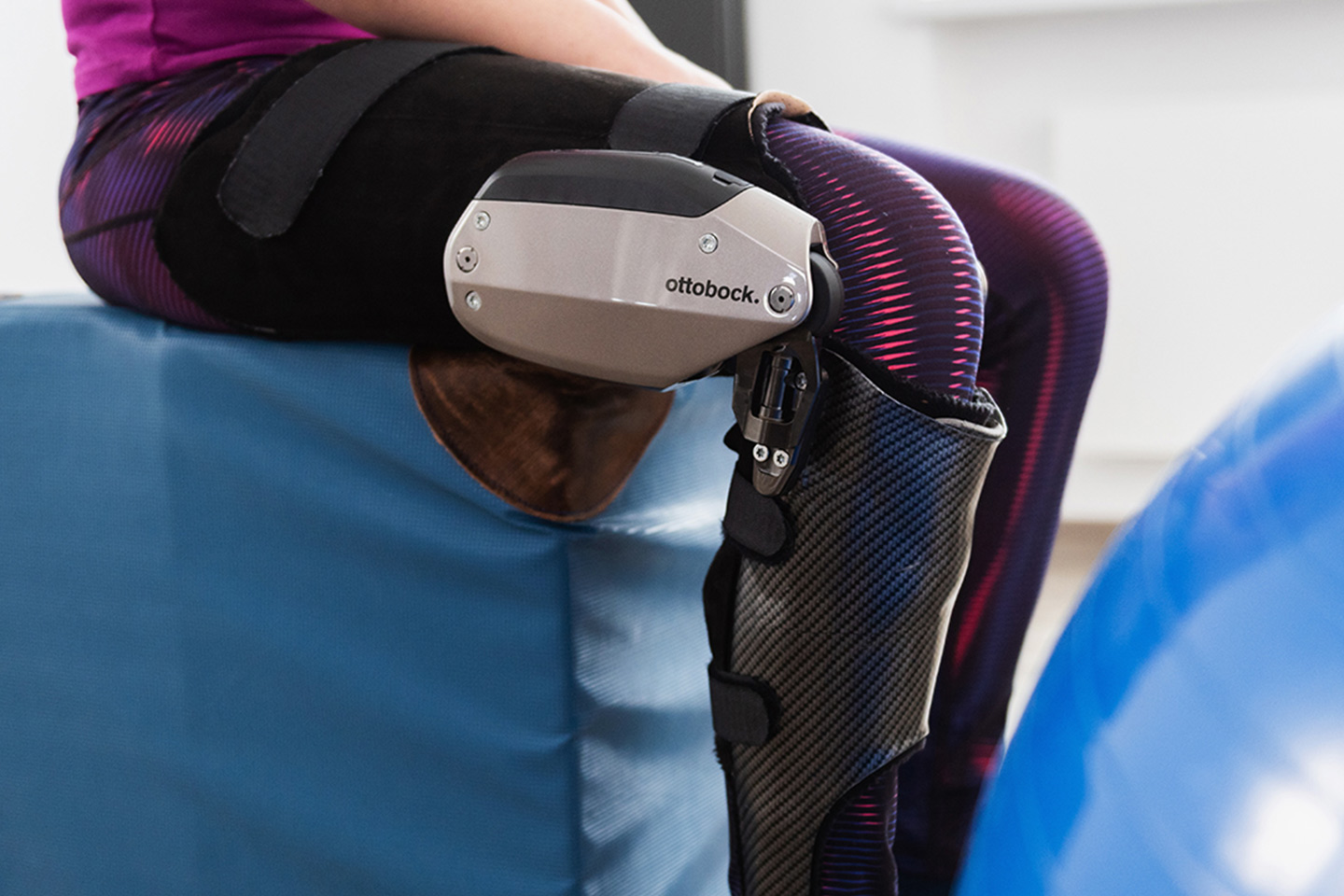
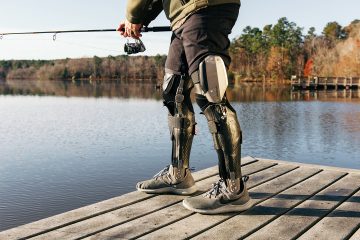
Patients with greater lower-limb weakness or knee instability may benefit from a Knee-Ankle-Foot Orthosis. KAFOs provide additional support during standing, transfers, and walking while helping maintain safe mobility.
Important MS Notes
Fatigue remains one of the most common symptoms experienced by people living with multiple sclerosis. Orthotic management aims to improve walking efficiency and reduce unnecessary biomechanical effort, enabling patients to complete daily activities more comfortably.
Some people also experience changes in muscle control, foot drop, reduced balance, or spasticity. Functional Electrical Stimulation and other orthotic solutions may improve mobility in selected patients following a comprehensive clinical assessment.

Multiple Sclerosis Referrals for Orthotics Plus
Patients often attend Orthotics Plus following diagnosis, during rehabilitation, or when changes in mobility begin to affect daily life. We welcome referrals from neurologists, physiotherapists, rehabilitation physicians, occupational therapists, GPs, and exercise physiologists. You can also contact us directly without a referral.
We provide MS rehabilitation in Melbourne through our clinics in Malvern, Heidelberg, Richmond, Forest Hill, and Pascoe Vale. Our clinicians also support eligible NDIS participants through comprehensive assessments, Assistive Technology reports, and ongoing orthotic management that aligns with individual plan goals.

Safety for MS Patients
Patient safety remains central to every assessment. Our clinics provide access to parallel bars and appropriate mobility equipment during gait assessment. We maintain a comfortable clinical environment, and family members, carers, or support workers are welcome to attend appointments when appropriate.

The Role of Orthotics in Long-Term Support of MS
Multiple sclerosis often changes gradually over time. Regular orthotic reviews allow clinicians to monitor changes in strength, balance, mobility, and walking efficiency before adjusting your prescription where required.
Our orthotists work closely with your physiotherapist and wider healthcare team to support long-term rehabilitation goals while helping maintain safe and independent mobility.
Orthotics Plus Is Here to Help
Orthotics Plus has supported people living with neurological conditions since 2012. Our university-qualified, AOPA-registered clinicians participate in ongoing professional development and provide evidence-informed orthotic care across all five Melbourne clinics.
If multiple sclerosis affects your mobility or confidence, our team can assess your needs and recommend an orthotic solution that supports your rehabilitation goals.
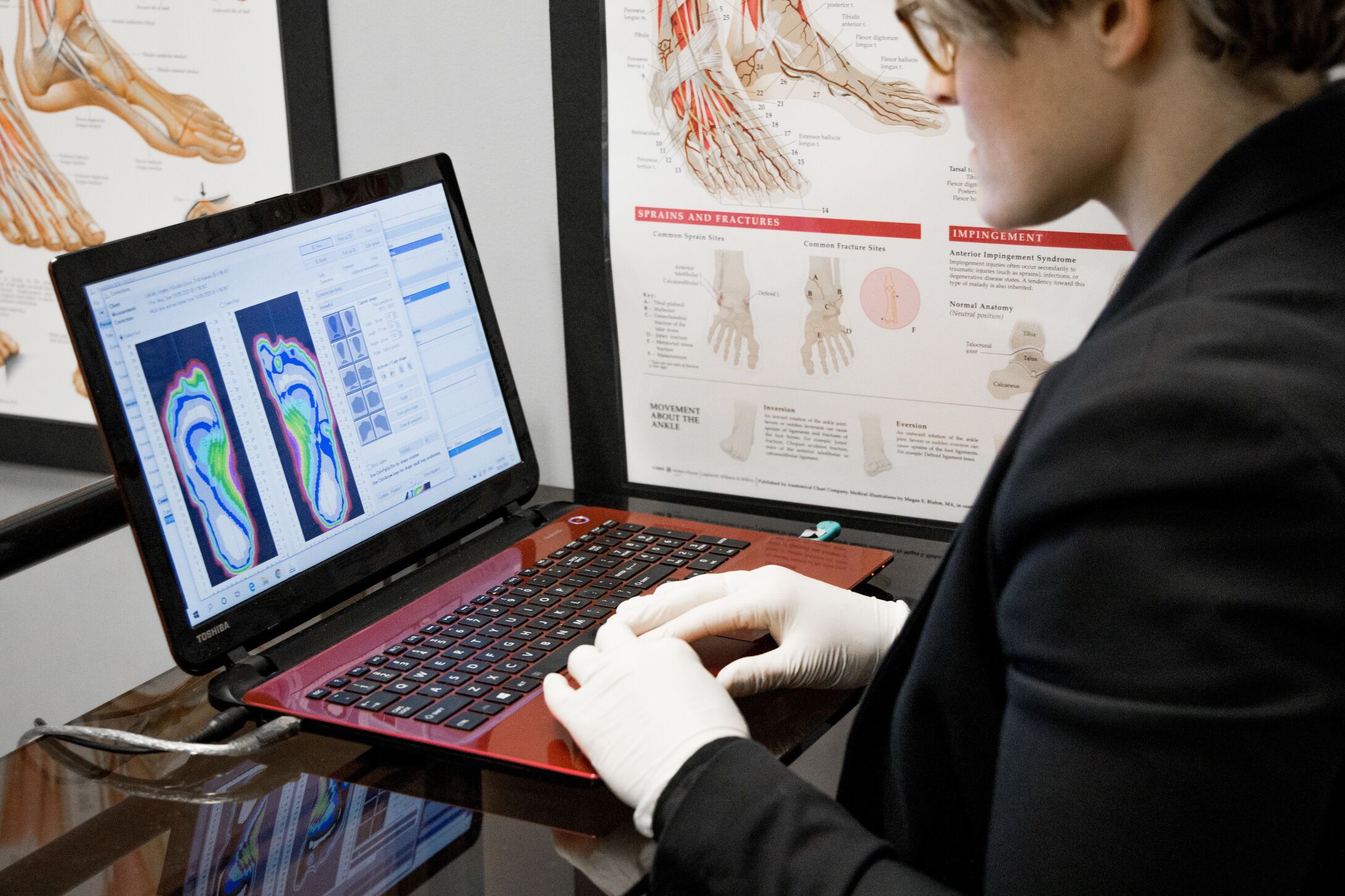
Improved quality of life through FES Orthotics

Frequently Asked Questions
We provide orthotic assessments, custom device prescriptions, fitting appointments, ongoing reviews, gait assessments, and Assistive Technology reports for eligible NDIS participants. Our clinicians work alongside your rehabilitation team throughout your care.
Yes. Orthotic devices can improve walking efficiency and reduce unnecessary effort during movement. Appropriate device selection may help reduce fatigue associated with walking and standing.
An AFO provides external mechanical support for the ankle and foot. Functional Electrical Stimulation activates muscles using controlled electrical impulses during movement. Your orthotist will recommend the most appropriate option following assessment.
No. You can book directly with Orthotics Plus, although many patients attend following referral from their neurologist, physiotherapist, rehabilitation physician, or GP.
Eligible participants may receive funding through the National Disability Insurance Scheme. Our clinicians can prepare Assistive Technology reports and supporting clinical documentation when required.
Review schedules vary depending on your symptoms and rehabilitation goals. Regular appointments allow your orthotist to monitor changes in mobility and adjust your orthotic prescription as your needs change.