Spinal cord injury support and orthotic rehabilitation at Orthotics Plus Melbourne
A spinal cord injury can affect movement, muscle control, sensation, and independence. The level of injury and the individual’s goals determine the type of rehabilitation and orthotic support required.
Orthotics Plus provides spinal cord injury support services across Melbourne from early rehabilitation through to long-term community care. Our university-qualified, AOPA-registered orthotists work alongside rehabilitation teams to prescribe custom orthoses that improve mobility, safety, and confidence. We are a registered NDIS provider with five Melbourne clinics, and you can book directly without a referral.
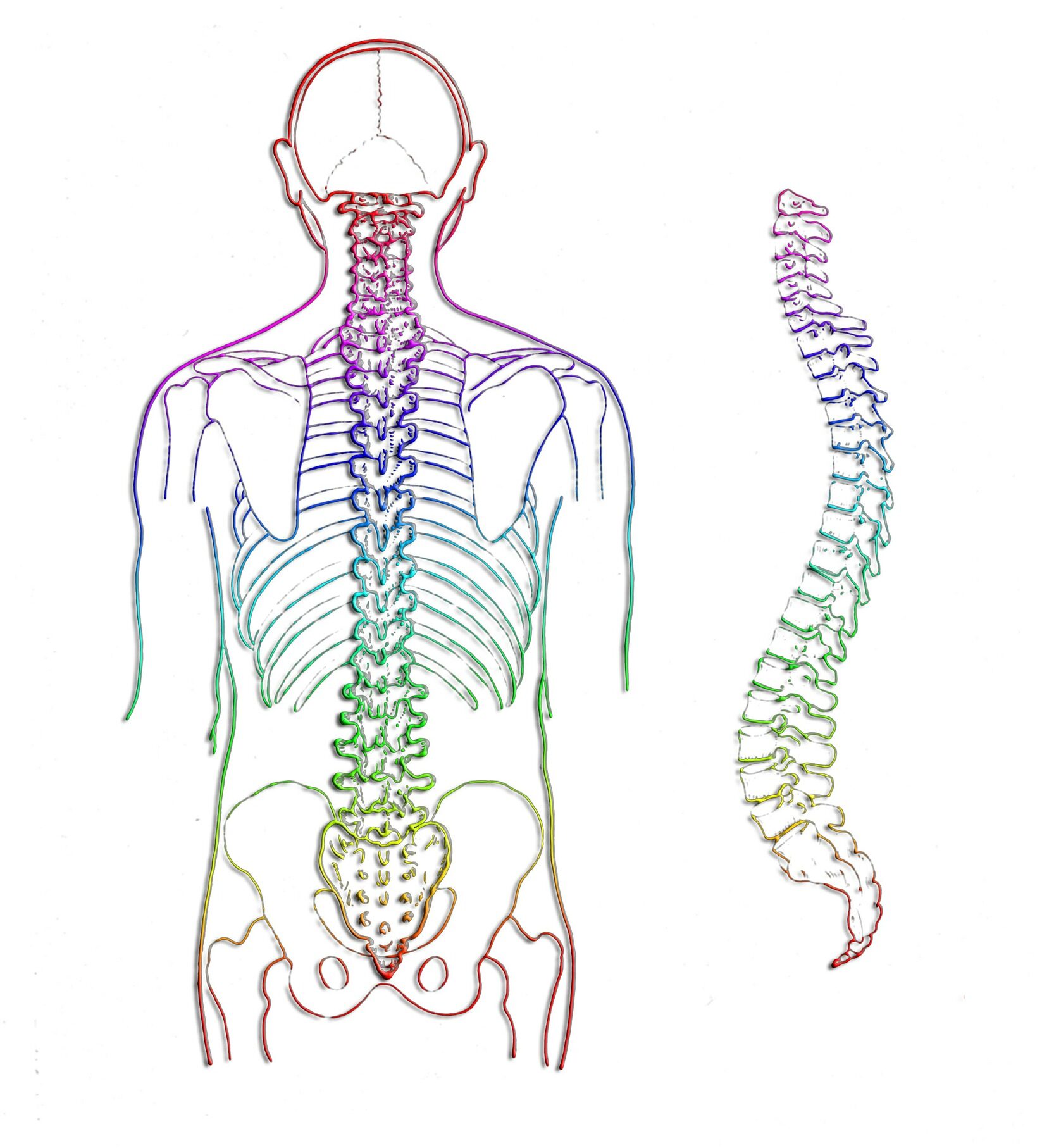
Understanding Spinal Cord Injuries
A spinal cord injury interrupts communication between the brain and the body. Depending on where the injury occurs, it can affect walking, balance, muscle strength, hand function, and sensation. Some people experience complete paralysis below the level of injury, while others retain varying degrees of movement or feeling.
Many people also develop muscle weakness, spasticity, joint stiffness, or contractures during recovery. These changes can affect standing, walking, transfers, and everyday activities.
Orthotic management forms part of spinal cord injury rehabilitation. Although orthoses do not treat damage to the spinal cord itself, they support movement, protect joints, improve stability, and help people participate more comfortably in daily life.
Orthotic Support for Spinal Cord Injuries
Orthotic treatment begins with a detailed assessment of your mobility, strength, range of motion, and rehabilitation goals. Your orthotist then recommends devices that match your current abilities and adjusts them as your needs change.
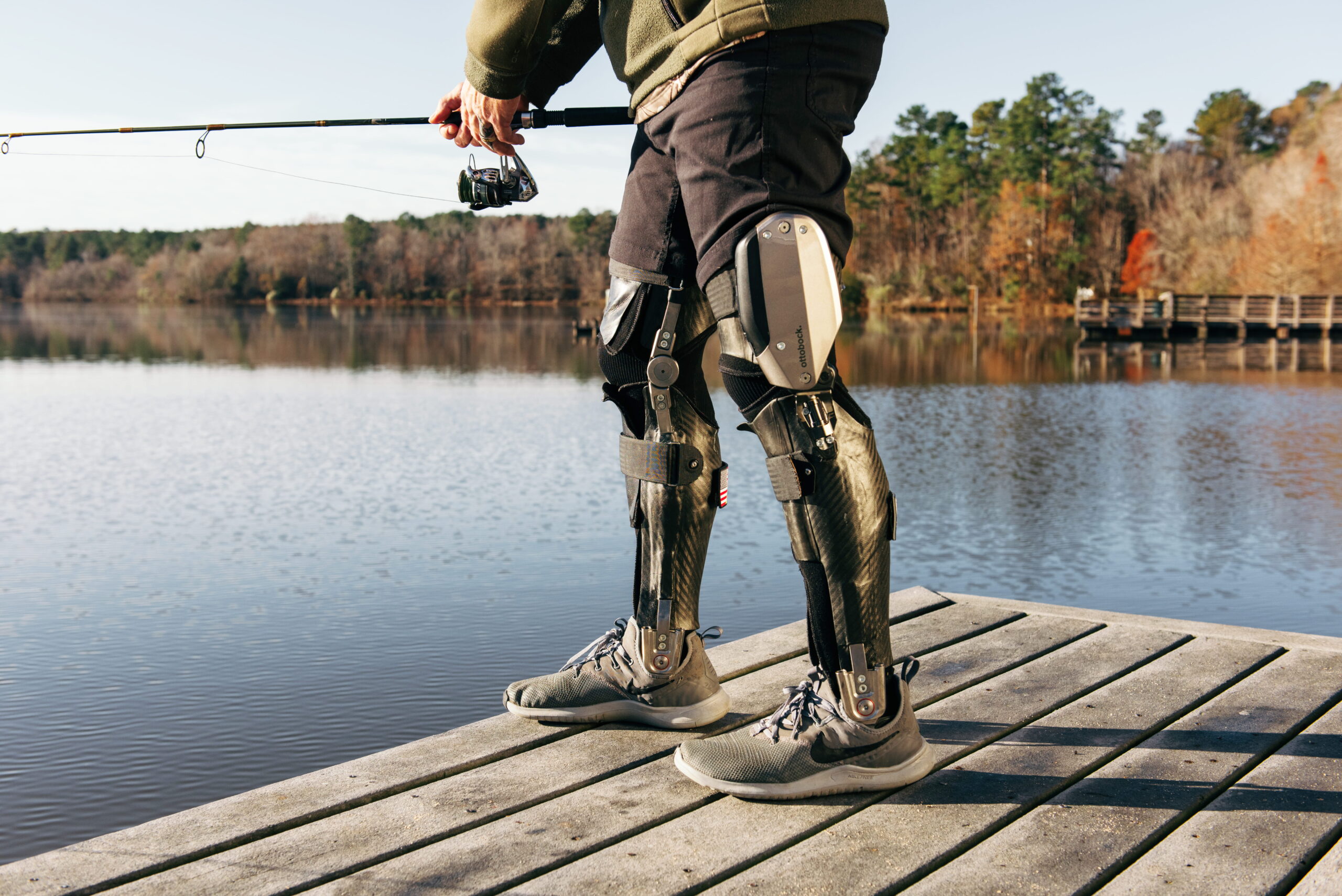
Common orthotic devices include custom Foot Orthotics, Ankle-Foot Orthoses (AFOs), Knee-Ankle-Foot Orthoses (KAFOs), and positioning braces for the upper or lower limbs. Each device provides a different level of support depending on muscle strength, joint stability, and walking ability.
Regular reviews form an important part of spinal cord injury rehabilitation. As mobility changes, your orthotist can adjust or replace your device to provide appropriate support throughout recovery.

Spinal Cord Injury Support Services at Orthotics Plus
Recovery often continues for months or years after discharge from the hospital. Orthotics Plus provides spinal cord injury support throughout this process by working closely with patients, families, and the wider rehabilitation team.
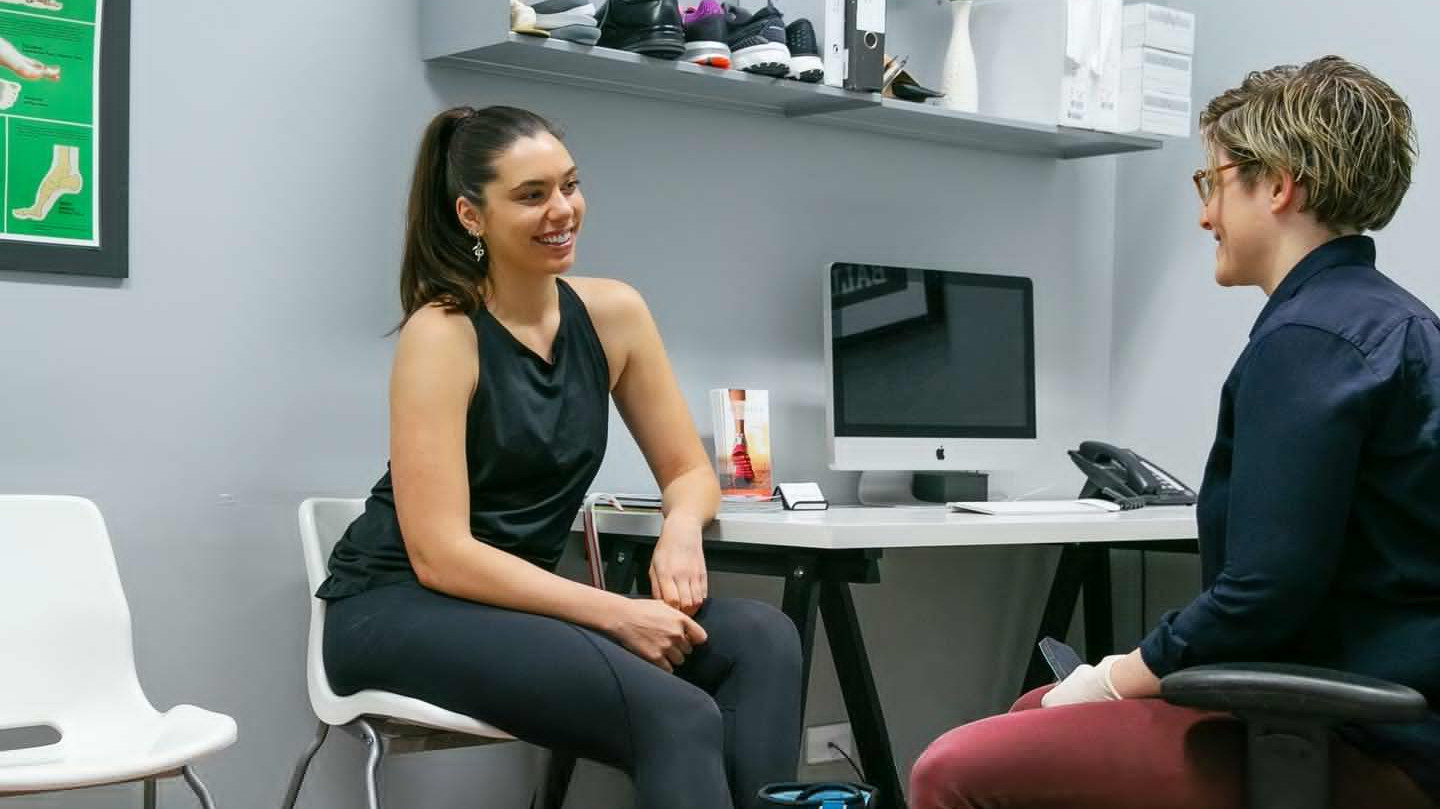
Our clinicians assess walking patterns, posture, muscle control, joint alignment, and functional goals before recommending the most appropriate orthotic solution. We also provide follow-up appointments, device adjustments, and ongoing reviews as rehabilitation progresses.
Many patients require spinal cord injury support at home after leaving the hospital. Our team provides education on safe orthotic use, reviews device fit as mobility changes, and supports patients during community-based rehabilitation. Our role focuses on orthotic care delivered in the clinic and, where appropriate, within the community. We do not provide personal care or accommodation services.
Orthotics Plus works closely with physiotherapists, occupational therapists, rehabilitation physicians, GPs, and NDIS planners to coordinate care. Patients looking for a physiotherapist for spinal cord injury often receive orthotic management alongside their rehabilitation program to improve walking efficiency, transfers, and independence.
As a registered NDIS provider, we also prepare Assistive Technology reports, conduct clinical assessments, and recommend orthotic solutions aligned with approved participant goals.

Spinal Cord Injury Support at Home
For some people with a spinal cord injury, travelling to a clinic can create practical difficulties. Mobility limitations, transfer requirements, fatigue, transport access, and the need for assistance can make an in-clinic appointment difficult. Orthotics Plus offers home visits for people with spinal cord injuries when their circumstances make home-based orthotic care appropriate.
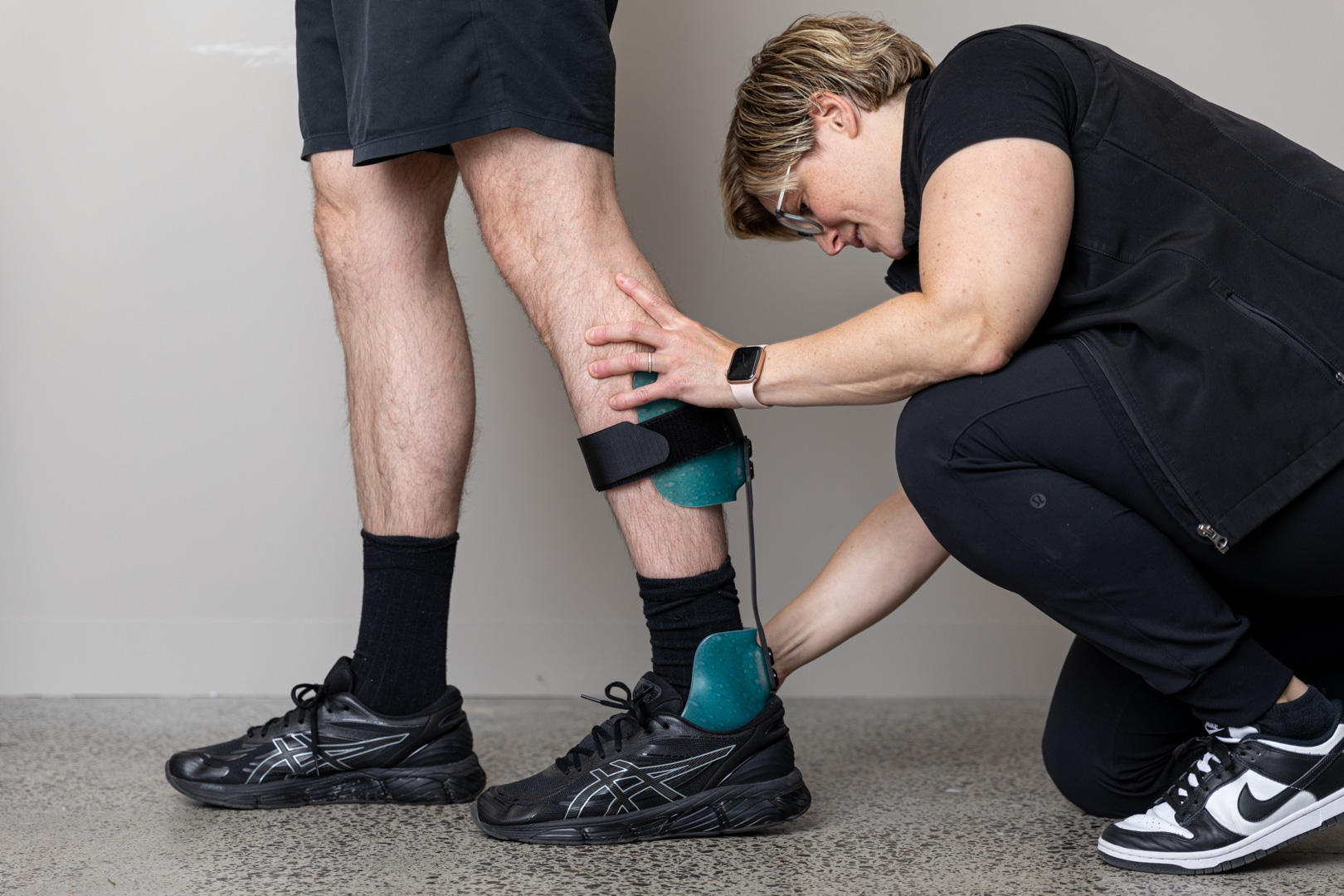
During a home visit, an orthotist can assess the patient in the environment where they complete daily activities. This can provide useful information about transfers, mobility equipment, positioning, orthotic use, and the practical demands the patient experiences at home. The orthotist can also work with family members, carers, physiotherapists, and occupational therapists when their involvement supports the patient’s orthotic care.
Home visits may support several stages of spinal cord injury rehabilitation. Depending on the patient’s clinical requirements, our orthotists can assess orthotic needs, review existing devices, check fit and function, provide education, and identify adjustments that may improve comfort or mobility. Some services may still require attendance at one of our Melbourne clinics when specific equipment or fabrication facilities are necessary.
Our home visit service forms part of our broader spinal cord injury support services. It can help people continue orthotic management after hospital discharge and during long-term rehabilitation when regular clinic attendance presents difficulties. Orthotics Plus focuses on orthotic assessment and device management during these visits. We do not provide nursing, personal care, accommodation, or general home care for spinal cord injury. Our orthotists also do not assess for or carry out home modifications. Your occupational therapist can advise on changes to your home.
Orthotics Plus also works closely with physiotherapists, occupational therapists, rehabilitation physicians, GPs, carers, and NDIS planners. This coordinated approach allows the orthotist to consider changes in mobility and rehabilitation goals when reviewing the patient’s device.

Technology for Spinal Cord Injury Rehabilitation
Advances in orthotic technology continue to improve mobility for many people living with spinal cord injuries.
Depending on your clinical assessment, your orthotist may recommend Functional Electrical Stimulation (FES), Neuro Swing AFOs, or a C-Brace to improve walking stability and movement. Patients experiencing significant spasticity may also benefit from assessment for the Mollii Suit as part of their overall rehabilitation program.
Orthotics Plus also works alongside rehabilitation providers who deliver robotic gait training and can refer suitable patients to exoskeleton services when appropriate.
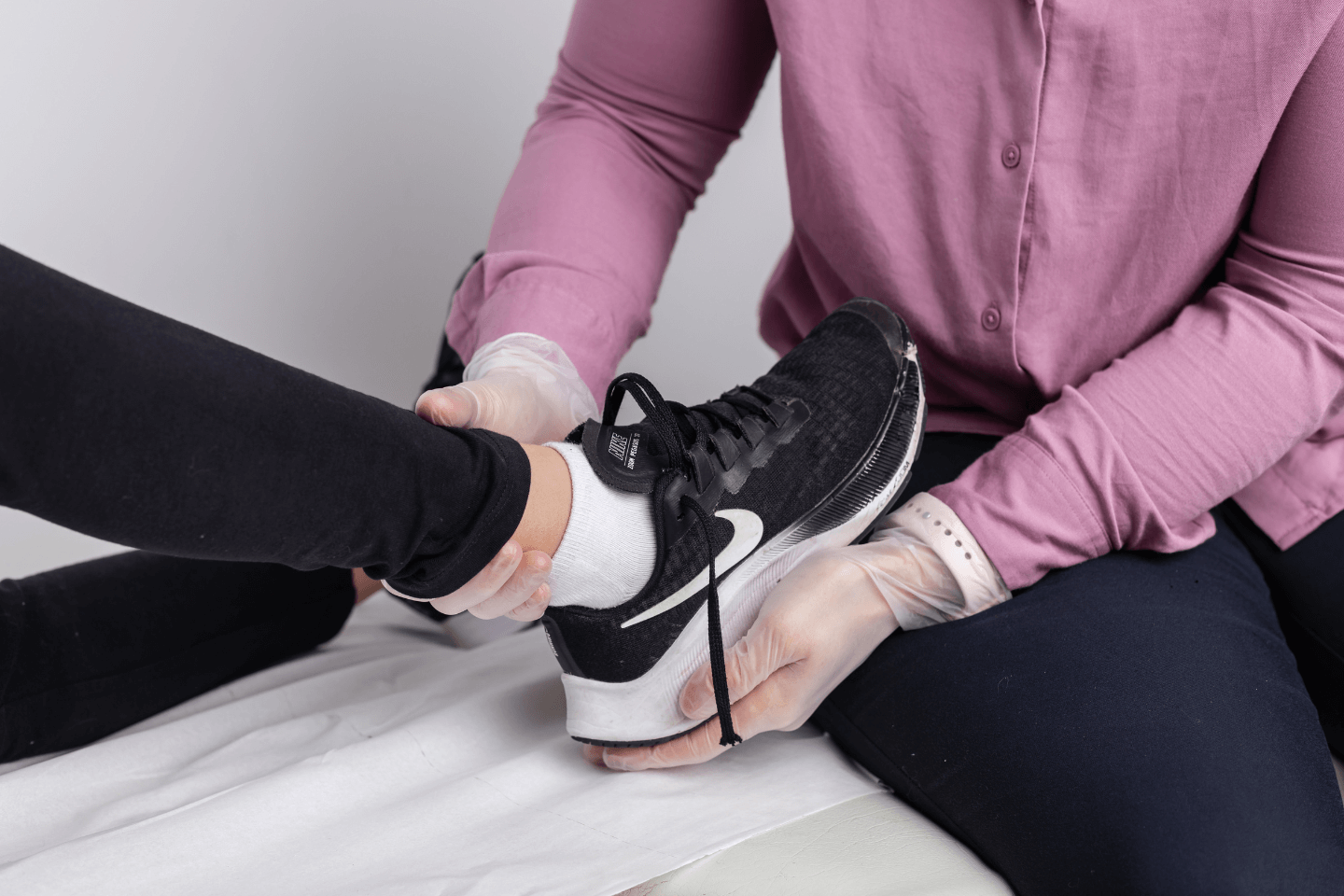
Orthotics Plus Can Support Your Rehabilitation
Orthotics Plus has supported people with neurological conditions across Melbourne since 2012. Our senior clinicians have between 10 and 30+ years of clinical experience and work with patients throughout their rehabilitation journey.
We provide comprehensive assessments, custom orthotic prescription, ongoing reviews, and long-term support that adapts as your mobility changes. Our team works closely with your healthcare providers to help you achieve practical goals at home, at work, and in the community.
Visit one of our five Melbourne clinics or contact our team to discuss your spinal cord injury support needs.

Frequently Asked Questions
We provide orthotic assessment, custom device prescription, fitting appointments, follow-up reviews, Assistive Technology reports for eligible NDIS participants, and ongoing orthotic management throughout rehabilitation.
No. You can book directly with Orthotics Plus, although many patients are referred by their rehabilitation team or medical practitioner.
Eligible participants may receive funding through the NDIS. Our team can assist with clinical assessments and Assistive Technology reports.
Depending on your needs, your orthotist may recommend Foot Orthotics, AFOs, KAFOs, positioning braces, Functional Electrical Stimulation, Neuro Swing, or a C-Brace.
Our clinicians regularly collaborate with physiotherapists, occupational therapists, rehabilitation physicians, GPs, and NDIS planners to coordinate your orthotic management.
Yes. Improvements in mobility, balance, strength, or walking function may mean your orthosis requires adjustment or replacement. Regular reviews help ensure your device continues to support your rehabilitation goals.
Yes. Orthotics Plus offers home visits for people with spinal cord injuries when home-based orthotic care is appropriate. An orthotist may assess mobility and orthotic requirements, review existing devices, provide education, and recommend adjustments during the visit. Some appointments may require clinic attendance when the orthotist needs specific equipment or fabrication facilities.
Our home visits provide orthotic support rather than nursing, personal care, or general home care services. Contact our team to discuss your circumstances and whether a home visit suits your clinical needs.